10 Questions to Vet Sales Coaching Programs
Sales Coaching, Founder Due Diligence, Vetting Programs
Questions to Ask Before Buying Any Sales Coaching Program — The 10-Question Vetting Framework (Inspired by Billionaire Warren Buffett)
A protective, practical checklist for startup founders with teams of five or more who are about to invest in sales coaching and don’t want to burn cash, time, or team trust again.
Why Founders Skip Due Diligence (And Why Jason Did Too)
When your runway feels short, your team is looking to you for answers, and sales are inconsistent, it is painfully easy to buy the next sales coaching program that promises a turnaround. Most founders Jason works with are not reckless; they are in pain and hopeful. That combination makes even the smartest people skip basic due diligence and ignore the questions to ask before buying any sales coaching program that would protect them.
Jason has been there. Before building the Future of Selling System (FOS), he bought programs from charismatic “gurus” that looked perfect on the sales page and empty in real life. He has hit rock bottom three times and climbed back three times, learning the hard way how to vet a sales coaching program and how much damage a bad one can do to a founder’s confidence, team morale, and cash position. That protective instinct is why he now helps founders apply real sales coach due diligence before they commit.
The 10 Questions Every Founder Must Ask Before Buying Any Sales Coaching Program
- 1) What is your refund policy?
A clear, written refund policy is your first line of protection. You are not asking for a loophole; you are checking whether the coach is willing to share risk with you. Look for specifics: time window, conditions, and process. Vague promises like “we’ll take care of you” are not policies. A serious provider can explain how refunds work in under a minute, without defensiveness or pressure. - 2) Can I speak with 3 past clients at my business stage?
Testimonials on a landing page are curated. You want unfiltered conversations with founders who had similar team size, ACV, and sales motion. If they cannot or will not connect you with at least three, that is a data point. When you do speak with those clients, ask what surprised them, what did not work, and whether they would buy again knowing what they know now. - 3) What is the average result for someone like me?
Not the best case, not the “hero story” — the average. A trustworthy coach will talk about distributions, not miracles. They will say things like, “Founders with a 5–10 person team, selling B2B at your price point, typically see X% increase in meetings and Y% increase in revenue over Z months, assuming they complete the work.” If they only share outliers, you are not hearing the real picture. - 4) Do you still actively sell — at my price point?
Sales is a living skill. If your coach has not sold in years, or only sells $50 courses while advising you on $50K deals, there is a gap. You deserve guidance from someone who is in the arena at a comparable level. Ask them what they are currently selling, at what price, and how many conversations they are having each month. Their answer tells you whether their advice is theory or lived practice. - 5) What happens if I complete the programme with no results?
This is where many offers fall apart. A serious coach will have a clear escalation path: extra support, additional reviews, or a structured guarantee. You are not demanding certainty in an uncertain world; you are checking whether they have thought through the downside with you in mind. If the answer is “well, that has never happened,” push gently — because somewhere, it has. - 6) Is this a system or a collection of tactics?
Tactics are cheap and noisy. Systems are calm and repeatable. Ask them to walk you through the structure: phases, milestones, feedback loops. If they cannot sketch a simple, coherent path from “stranger” to “customer” that your team can follow, you are likely buying scattered tips. You want a system that your current and future sales hires can plug into, not something that only works when the founder is in the room. - 7) What does the onboarding look like?
Onboarding is where momentum is either built or lost. Ask what happens in the first 7, 14, and 30 days. Who on your team is involved? What data and assets do they need from you? A good program will have a calm, structured onboarding that respects your team’s bandwidth and makes it easy to start strong instead of overwhelming everyone with homework and random links. - 8) How much direct access do I get to you specifically — not just a community?
Communities are useful, but they are not a substitute for expert eyes on your pipeline, calls, and messaging. Clarify how often you can interact with the coach personally: live calls, 1:1 reviews, async feedback. “Lifetime community access” without meaningful expert time often means you are mostly buying peer support, not real coaching for your specific context. - 9) What is the time commitment per week?
Your calendar is already full. You need an honest estimate of hours per week, including calls, implementation, and reviews. Double-check that this fits your team’s current load. If they promise “10X results” on “30 minutes a week,” be cautious. Sustainable sales change requires focused time; the right coach will help you make room, not pretend you don’t need any. - 10) What makes this fundamentally different from anything else I could buy?
This question surfaces their core philosophy. You are listening for more than clever branding; you want to hear how their method, data, and track record truly diverge from generic “high-ticket closing” or spammy outbound. If their answer sounds like everyone else, you can safely treat the offer as a commodity and keep looking.
What Are the Most Important Questions to Ask Before Buying Any Sales Coaching Program?
For a founder with a team of five or more, the most important questions are the ones that protect your downside: refund policy, average results for your specific stage, and what happens if you do the work and still do not see traction. These force the coach to share real numbers, not just stories. When in doubt, prioritize questions that clarify risk, expectations, and support — that is the core of real sales coach due diligence.
How Do You Vet a Sales Coaching Program Without Wasting Months?
You do not need a 40-page RFP. You need a focused, calm process. Use the 10-question framework in this article as your script. Take notes. Ask for written follow-ups. Speak with past clients at your stage. Then give yourself 24 hours before deciding. That short pause protects you from buying in an emotional spike and helps you choose a program that your team can actually implement, not just admire.
What Red Flags Should Founders Watch For in Sales Coaching Offers?
Common red flags: pressure to “decide on this call,” refusal to connect you with past clients, guarantees that sound like lottery tickets, and coaches who have not sold at your level in years. Also be cautious when everything is framed as your mindset issue, instead of a shared responsibility to create a working system. Healthy coaching balances ownership with support; it does not shame you into buying.

A simple written checklist can prevent rushed, painful coaching decisions.
What Buffett’s Due Diligence Habit Teaches Founders
Buffett famously said, “Risk comes from not knowing what you are doing.” His discipline is not about being cynical; it is about refusing to move forward without enough understanding. For founders choosing a sales coach, the lesson is simple: asking hard questions before you commit is not being difficult — it is being disciplined. Your team is counting on you to be that disciplined leader, even when you are tired and hopeful.
If you look at how serious investors evaluate opportunities, they ask the same types of things you are now asking coaches: track record, downside protection, alignment of incentives, and clarity of the operating model. Articles in places like Harvard Business Review and Forbes often highlight that the process of evaluation is what separates resilient companies from fragile ones. You can bring that same calm, methodical approach to every sales program you consider.
The Future of Selling System and the P.I.T.C.H. Formula
Jason built the Future of Selling System after guiding over 1,000 founders since 2015 and contributing to more than $22M in combined sales. At its core is the P.I.T.C.H. Formula — a structured way to design conversations, offers, and follow-ups so that selling feels calmer for you and safer for your buyers. Instead of random tactics, it gives your team a shared language and a repeatable path from first contact to closed deal.
Importantly, Jason designed FOS to be evaluated using the same 10-question framework in this article. That is intentional. He wants founders to feel protected, not pressured — to see exactly how the system works, what typical results look like for their stage, and how risk is shared. Whether you ever work with him or not, he wants you to walk into every sales coaching conversation with this level of clarity and self-respect.
Tier 1 Results: What This Looks Like in Real Founder Lives
Numbers are not the whole story, but they matter — especially when you are deciding how to invest your team’s time and trust. These Tier 1 cases come from founders who applied Jason’s systems, asked hard questions early, and then executed with focus:
- Tan — $29,693 in 16 days: Tan came in after trying multiple high-ticket programs that left the team confused and behind on quota. By implementing a clear, stage-appropriate sales system, they turned a hesitant pipeline into nearly $30K closed in just over two weeks, restoring confidence in the sales process and in leadership.
- Teo — 63 customers in 100 days: Teo’s team had interest but no structure. After aligning around a simple, repeatable conversation flow and tightening follow-up, they brought in 63 paying customers in just 100 days, giving the company breathing room and proof that their offer worked in the real world.
- Leon — from $2.5K to $2M+: Leon started with tiny, inconsistent deals and a team that did not know how to sell beyond founder charisma. By installing a system that everyone could follow, they scaled from $2.5K to over $2M+ in sales, creating a more stable, less founder-dependent engine for growth.
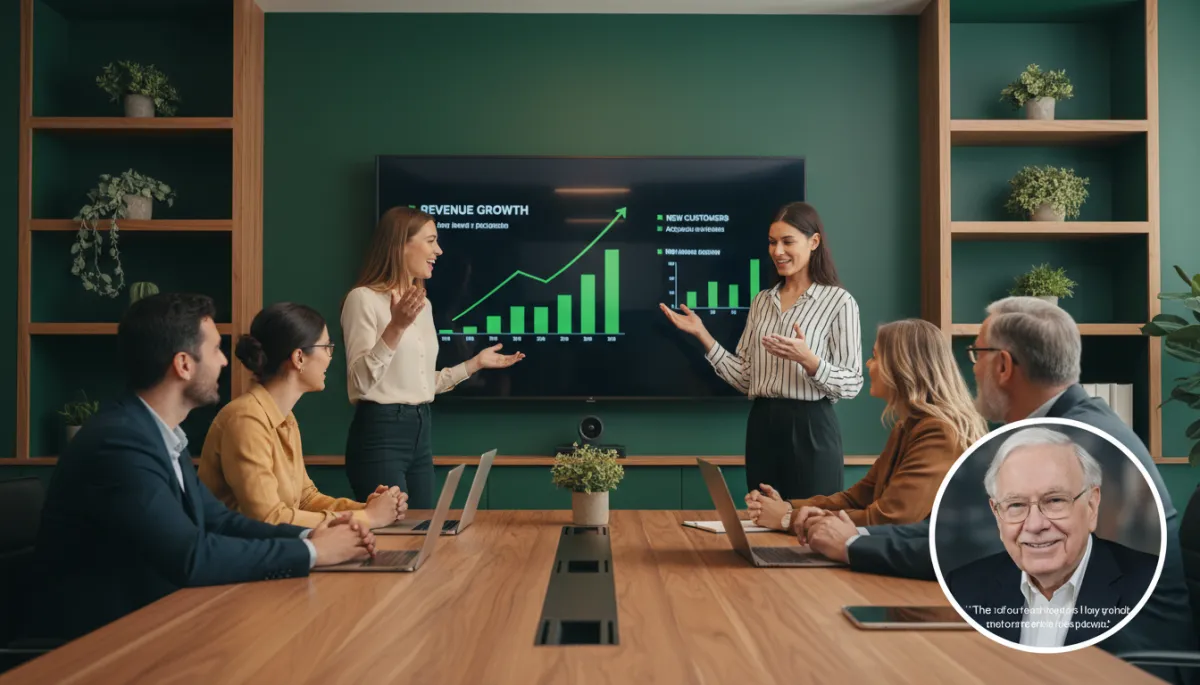
Real systems turn due diligence into measurable wins for your whole team.
You do not have to buy fast — you only have to buy wisely, for yourself and for the people who trusted you enough to join your team.


