Avoid Sales Coaching Scams: Oprah's Insight
Sales Coaching, Founder Protection, Scams
Sales Coaching Scams Every Founder Must Know — What Billionaire Oprah Winfrey's Story Reveals About Trusting the Wrong People
A protective field guide for founders who refuse to be scammed again — and want a real, ethical path to predictable sales growth.
Why Smart Founders Still Get Scammed
Founders rarely get trapped in sales coaching scams because they are gullible. They get trapped because they are ambitious, under pressure, and deeply responsible for a team that trusts them to make the right call.
When payroll is coming, investors are asking for updates, and your pipeline feels thin, almost anything that promises faster revenue sounds reasonable. Scammers know this. They target the gap between where you are and where you urgently need to be.
That same gap once swallowed Jason. He invested in a “proven” sales coaching program that looked polished and credible. It took his money, his time, and for a season, his confidence in his own judgment. The content was vague. The “support” disappeared. The deals he could have been closing died while he tried to implement tactics that only worked inside their sales webinar — not in real conversations with real buyers.
Jason rebuilt from that rock bottom. The Future of Selling System (FOS) is what he built on the other side — after helping more than 1,000 founders since 2015 generate over $22M in combined sales, and after getting burned enough times to know what real systems must protect you from.
How Sales Coaching Scams Actually Work
In 2026, sales coaching fraud is more polished than ever. The FTC has warned about “business coaching” schemes that promise guaranteed income, then deliver little or nothing of substance (FTC guidance). Under the gloss, most fake sales coaching programs follow the same five mechanics.
- They sell the dream, not the method. The pitch is all about “six-figure months,” “high-ticket retainers,” or “done-for-you closers.” When you listen closely, they never explain how deals actually move from stranger to signed contract. You hear lifestyle, not process. That is the first sign you are dealing with fake sales coaching programs dressed up as salvation.
- They use outlier testimonials, not typical results. You see one or two extreme wins on every slide. No context. No baseline. No mention of how many people failed. Regulators have already punished programs for this pattern, including multi-million dollar judgments against misleading coaching offers (FTC case summary). When all the proof is exceptional, assume the average is disappointing.
- They create urgency and FOMO before you can do due diligence. “Only 10 seats left.” “Price doubles tonight.” “If you have to think about it, you are not serious.” These phrases are not motivation. They are manipulation. They are designed to shut down your ability to research, compare, and think like the strategic leader you are.
- They lock you into long contracts with no results guarantee. Many scams push founders into 6–12 month commitments with aggressive payment plans and no clear milestones. Once you sign, the power shifts. You are now a revenue line, not a client. Escaping becomes more painful than staying, so you keep hoping “next module” will finally click.
- They disappear when you need support most. At the start, there is constant contact. DMs. Voice notes. “We are in this together.” Once you pay, support moves into generic group calls, junior coaches, or unanswered tickets. When your team asks, “Is this working?”, you have nothing concrete to show them — just more promises from people who are already onto their next launch.
How do sales coaching scams use urgency and FOMO to manipulate buyers?
They frame delay as failure, using countdown timers, “last seat” claims, and emotional stories so you feel irresponsible if you pause to research or sleep on the decision.
What legal recourse do founders have if a coaching program does not deliver?
You can document misrepresentations, request refunds in writing, dispute charges with your bank, and report suspected sales coaching fraud to the FTC and your state attorney general.
What is the single most reliable way to verify whether a sales coaching program is legitimate?
Speak directly with at least three founders who match your stage and model, and ask for specifics on results, support quality, and what actually changed in their sales process.
The One Thing Jason Did That Cost Him Everything
Jason did not lose the most when he wired the money. He lost the most when he outsourced his judgment to people who did not care if his team survived the quarter. That was the one decision that cost him everything that mattered in that season.
The program looked credible. Clean branding. Charismatic presenters. Screens full of “client wins.” They promised a simple script that would “close anyone on the first call.” They claimed founders who followed the process could not fail. Looking back, every line was a red flag he now teaches others to recognize. But at that moment, he was tired, behind, and hopeful. Hope made the lies sound reasonable.
Inside, the content was thin. Ideas you could find in a free article. No real pipeline architecture. No guidance on complex B2B deals or long sales cycles. Just pressure to “trust the process” and upsells into even more expensive levels. While Jason chased their tactics, real opportunities went cold. Prospects felt the scripts were off. Conversations stalled. His team watched him double down on something they did not believe in, and their faith in his leadership wobbled too.
The real cost was not just the invoice. It was the months of runway burned. The team members who left because they no longer believed sales would turn. The quiet shame that came every time he saw another charge hit the account. He had been the one warning others about fake sales coaching programs, and now he had walked straight into one. He understands how founders feel when they say, “I should have known better.” He felt the same. He also knows you can come back stronger on the other side.

Editorial. Startup founder in glass-walled office gently stopping a slick suited salesperson at...
How to Protect Yourself Before You Sign Anything
You cannot control how aggressive sales coaching scams become. You can control the questions you ask before you expose your team and runway to them. Here is a simple, protective checklist you can run in every conversation — even when you are tired, hopeful, and under pressure.
- Ask for a clear refund policy in writing. Not a vague “we stand behind our work.” Ask, “Under what conditions can we get our money back, and how often has that happened in the last 12 months?” If they dodge, change the subject, or shame you for asking, that is not a partner. That is a risk.
- Ask to speak to three past clients similar to your business. Same stage. Similar deal sizes. Comparable sales cycle. Talk to those founders privately. Ask what actually improved. Pipeline? Conversion rate? Sales cycle length? Or just their belief for a few weeks?
- Ask for success rates for founders at your stage. Not the best stories. The base rate. “Out of 100 founders like us, how many materially improved revenue within six months?” Scammers hate base rates. They survive on exceptions and emotion, not on honest statistics.
- Ask what happens if you do not get results. Will they adjust the plan? Extend support? Co-create a new path? Or simply remind you of a clause saying “no guarantees”? A real partner has a plan for when things do not work perfectly the first time. A scammer has a contract that protects only them.
Even Oprah had people around her early in her career who took advantage of her trust before she built stronger boundaries and systems. Her story is a reminder that being exploited is not a sign of weakness. It is a signal to build better systems so it does not happen again. Founders deserve that same compassion and that same upgrade.
The P.I.T.C.H. Formula — What a Real Selling System Looks Like
Real systems are boring in the best way. They map how your team finds, qualifies, and converts the right buyers, step by step. The P.I.T.C.H. Formula inside the Future of Selling System focuses on predictable conversations, not hype, and has been battle-tested with more than 1,000 founders.
You can explore how the P.I.T.C.H. Formula works inside the Future of Selling System and decide if that kind of grounded structure is what your team needs next.
What Founders Who Chose Right Built — Tier 1 Results
Not every founder who avoids scams wins big. But every founder who wins big avoids scams. They choose systems and partners who respect both their ambition and their constraints. Here is what that has looked like for some Tier 1 cases after implementing structured, ethical sales systems like FOS.
- Tan — $29,693 in 16 days. Tan came in after a painful coaching experience that left the team scripting calls around fake scarcity. Together they rebuilt a simple outreach rhythm, cleaned up the offer, and aligned messaging with real customer outcomes. In just over two weeks, the team closed nearly thirty thousand dollars in new revenue without a single “today only” threat.
- Teo — 63 customers in 100 days. Teo’s team of six had been told they were “not hungry enough” by a previous coach when results lagged. The problem was not hunger. It was chaos. Once they installed a clear pipeline, weekly review rhythm, and shared language for every stage of the sale, 63 new customers came in over 100 days — steady, calm, and without burning the team out.
- Leon — from $2.5K to $2M+. Leon’s startup hovered around $2.5K months, stuck between referrals and random inbound. After rejecting another high-pressure coaching offer, he committed to building a system his team could run without him. Over time, that structure helped them scale beyond $2M+ in revenue. No viral moment. No miracle script. Just compounding, consistent selling habits.
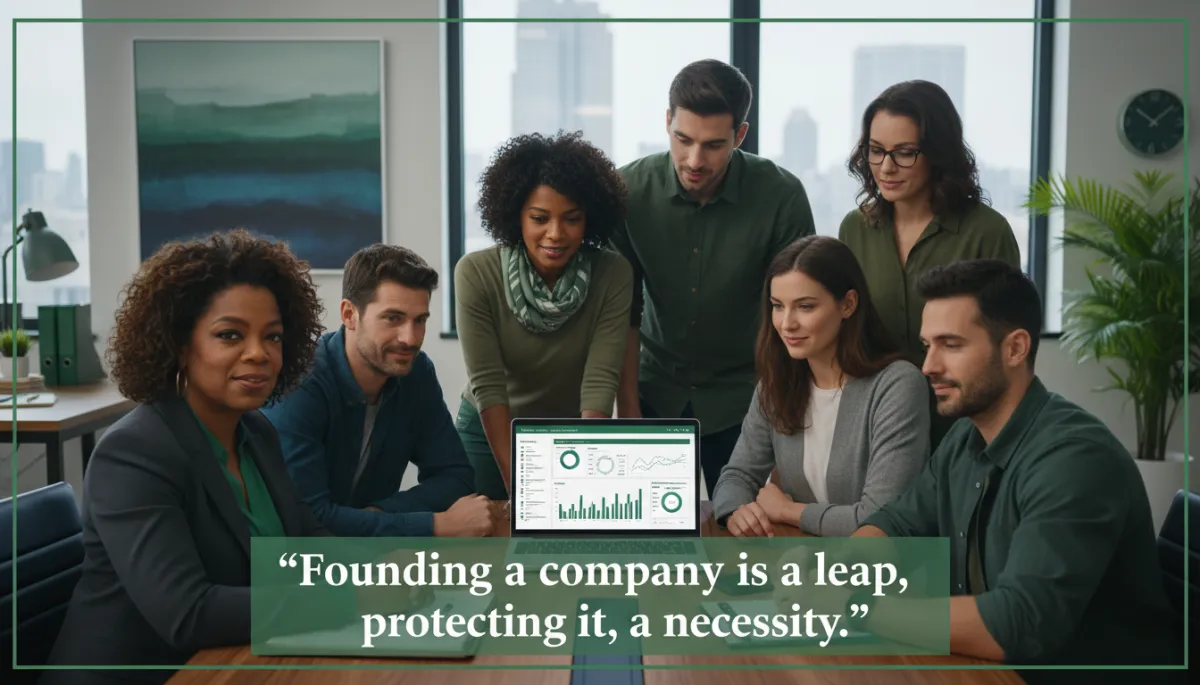
Editorial. Diverse startup team of six gathered around a laptop reviewing a structured sales...
Stories like these are not miracles. They are what happens when founders stop chasing high-drama promises and start installing low-drama systems. They also happen when you treat past mistakes with kindness instead of shame. You cannot lead your team well from self-blame. You can lead them powerfully from self-honesty and new boundaries.
Every week you spend recovering from the wrong program is a week the right system could have been compounding.


