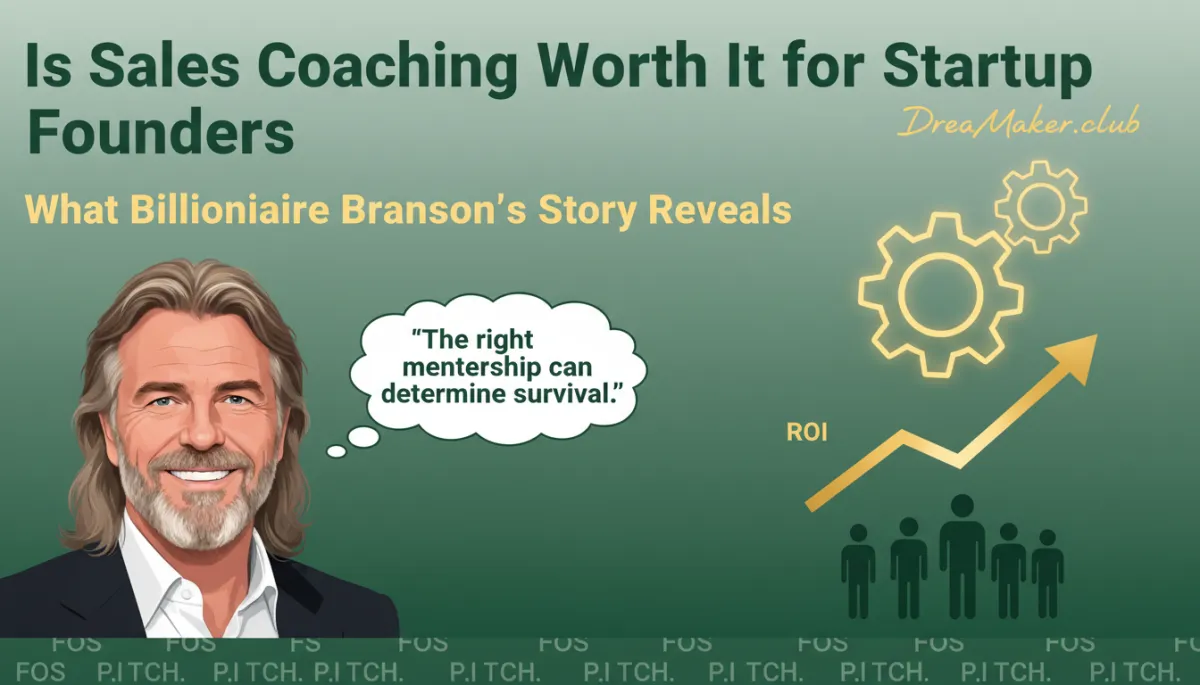
Is Sales Coaching Right for Your Startup?
Sales Coaching, Startup Founders, Mentorship, ROI
Is Sales Coaching Worth It for Startup Founders — What Billionaire Richard Branson's Story Reveals
You’re leading a team of five or more, juggling payroll, product, and investors. Someone you trust tells you, “You should invest in sales coaching.” Your stomach tightens. Another subscription. Another promise. Another person telling you this is the missing piece. This article is not a pitch for sales coaching. It’s an honest, balanced look at whether sales coaching is worth it for startup founders like you — and what Branson’s story quietly reveals about the difference between helpful guidance and expensive distraction.
When Sales Coaching IS Worth It for Startup Founders
The real question isn’t just “is sales coaching worth it for startup founders”, but “under what conditions does it actually change your runway and revenue?” Jason, creator of the Future of Selling System (FOS), has worked with 1,000+ founders since 2015 and seen both sides: coaching that prints ROI, and coaching that turns into a polite, expensive regret. From that experience, sales coaching tends to be worth it when these conditions are true.
1. You have leads, but your close rate is low
If you’re booking calls, demos, or trials but only a small percentage turn into paying customers, you don’t have a “marketing problem” — you have a conversion problem. This is where sales coaching can move the needle fastest. A focused coach helps you:
- Diagnose exactly where deals are dying (first call, proposal, follow‑up)
- Tighten your discovery questions so prospects sell themselves on the problem
- Clarify your value proposition in simple, human language your buyers actually repeat to others
When you already have a pipeline, even a modest bump in close rate can change your burn math. This is where sales coaching ROI for founders can be very tangible: higher conversion with the same lead flow.
2. You avoid asking for the sale (even when the prospect is ready)
Many technical or product‑driven founders quietly dread the moment they have to say, “So, shall we move forward?” Instead, they keep “adding value,” sending more resources, and stretching out the dance. Coaching is worth it when it helps you:
- Rewire your beliefs about selling from “pushy” to “helping someone make a good decision faster”
- Practice simple, low‑pressure closes you can say without feeling fake
- Build the confidence to name your price without apologizing or discounting by default
3. You have no repeatable sales process — just “winging it”
If every deal feels like a brand‑new improvisation, you can’t scale beyond yourself. A good coach helps you turn what’s working in your head into a simple, teachable system your team can follow. That’s where Jason’s work, including the P.I.T.C.H. Formula inside FOS, focuses: turning messy founder magic into clean steps others can copy.
When Sales Coaching Is NOT Worth It (Yet)
On the other side, there are moments when sales coaching is not just premature — it’s almost guaranteed to disappoint you. If you recognize yourself in these situations, pressing pause is an act of leadership, not failure.
1. You don’t have product‑market fit yet
If customers aren’t sticking, usage is low, and referrals are almost non‑existent, you likely have a product problem, not a sales problem. No amount of technique can compensate for a solution people don’t truly want. In this phase, customer discovery and product iteration give you more ROI than sales scripts or objection‑handling drills.
2. You have no leads to close
If your calendar is empty, sales coaching quickly turns into theory. At this stage, your priority is building predictable lead flow — partnerships, outbound, content, referrals, whatever fits your model. A coach can help with messaging, but until there are real conversations to practice on, the money is better spent on distribution experiments or demand generation.
3. You’re looking for a shortcut, not a system
If the quiet hope is, “I’ll pay someone and they’ll magically fix sales for us,” you’ll almost always be disappointed. Sustainable sales improvement comes from systems, habits, and practice, not one‑off “closing tricks.” This is where many founders decide “does sales coaching work for startups?” based on a single bad experience that was mis‑timed and mis‑scoped from day one.
What Branson’s Mentor Relationship Actually Looked Like
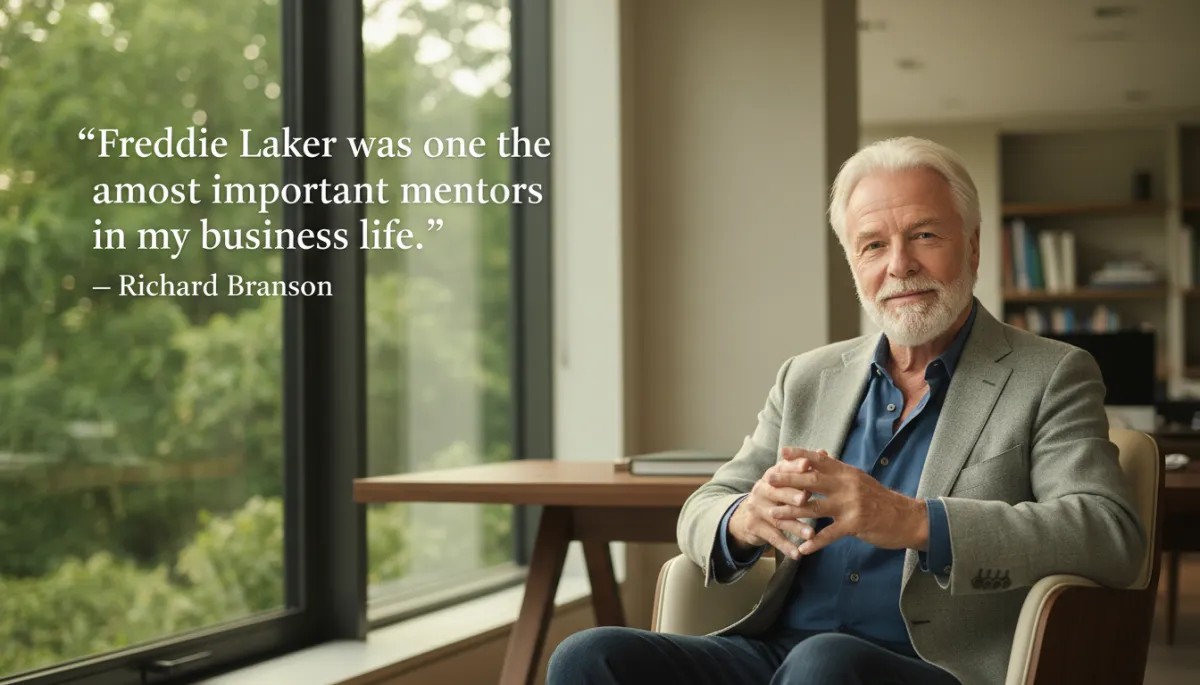
Branson often credits airline entrepreneur Freddie Laker as one of the most important mentors in his business life. When Virgin Atlantic faced aggressive attacks from British Airways, Laker wasn’t giving generic motivation. He was offering specific, battle‑tested counsel on how to survive a price war, navigate legal battles, and keep going when a much bigger competitor wanted them gone.
The lesson for founders weighing sales coaching is simple but sharp: the right mentorship doesn’t just improve performance — it can determine survival. And the wrong mentorship doesn’t just waste money; it can send you down the wrong path at the worst possible time.

The cost of the wrong guidance is rarely just the fee — it’s lost time and momentum.
In other words, Branson didn’t need vague pep talks. He needed someone who understood the terrain and could help him make better, braver decisions under pressure. That is what good sales coaching should feel like for a founder: not scripts from someone who’s never carried a quota, but grounded guidance from people who have actually sold, scaled, and survived.
The ROI Question — What Should a Founder Expect?
You’re not just asking, “Will this help?” You’re asking, “Will this help enough to justify the cost, time, and focus?” Research on sales coaching and training shows meaningful upside when the support is structured and ongoing. One industry analysis cited by Training Industry reported companies seeing up to 353% ROI on sales training and coaching investments (Training Industry) .
Other research on structured sales support suggests that around 77% of reps who receive consistent, structured coaching hit quota, versus much lower numbers in teams left to “figure it out” alone. For a founder‑led team, that kind of shift can mean the difference between scraping by and confidently planning your next hire or product line.
Of course, not every program delivers that kind of lift. Articles from Forbes and Harvard Business Review both stress that coaching only works when it’s:
- Tailored to your stage and industry, not generic “B2B” advice
- Focused on building repeatable behavior, not one‑time hype
- Measured against clear targets, not vague “confidence” goals alone
People Also Ask: Does sales coaching work for startups under pressure?
It can — especially when your team is small and every deal matters. For early‑stage teams, a single improved close or upsell can cover months of coaching cost. But it only works when you’re prepared to implement, not just consume content between fires.
People Also Ask: How long before I see results from sales coaching?
For most founders Jason has worked with, early shifts show up within 30–60 days: cleaner calls, fewer “let me think about it” endings, and more confident pricing. Larger, compounding gains — higher average deal size, shorter sales cycles, stronger team performance — usually take 3–6 months of consistent application.
People Also Ask: Should the founder or the team get coached first?
In founder‑led sales, it almost always pays to start with you. When the founder has a clear, simple way of selling, the team can model it. When the founder is improvising, every new hire adds more chaos. Once your own approach is solid, coaching your first 1–3 salespeople multiplies the impact.
The P.I.T.C.H. Formula and the Future of Selling System
Jason built the Future of Selling System after three different rock‑bottom seasons in his own sales journey — and three comebacks that led to a combined $22M+ in sales and over 1,000 founders helped since 2015. At the core of FOS is the P.I.T.C.H. Formula — a simple structure that helps founders move from awkward, meandering conversations to clear, confident sales dialogues that still feel human.
Instead of memorizing word‑for‑word scripts, founders learn how to frame problems, invite insight, talk about transformation, create a clear choice, and handle hesitation without pressure. It’s designed for real startup chaos — where you’re selling while hiring, raising, and shipping, not sitting in a quiet booth all day.
Tier 1 Results: What “Worth It” Looks Like in Real Numbers
Honest, balanced content should include real outcomes — not just theory. These Tier 1 cases from founders Jason has worked with show what happens when the timing is right, the system is clear, and the founder is willing to do the work.
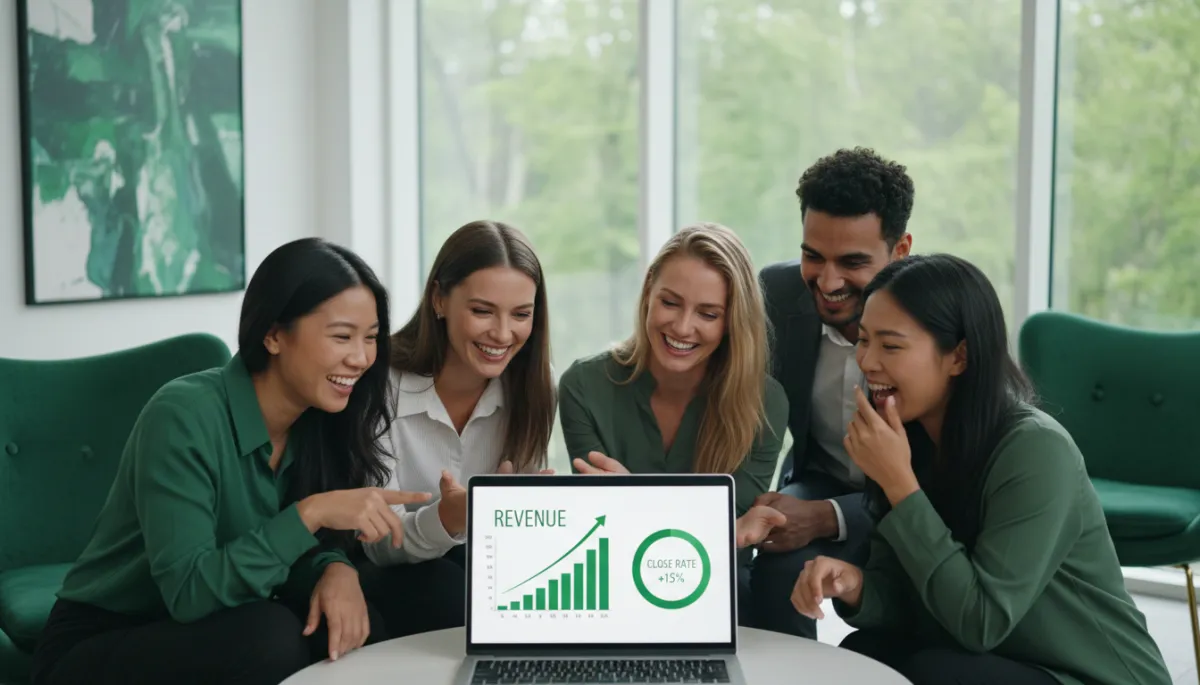
When sales becomes a system, founders gain both revenue and breathing room.
- Tan: Closed $29,693 in 16 days after tightening his offer, cleaning up his conversations, and using a simple, repeatable close. Same network, same product — different process.
- Teo: Won 63 customers in 100 days by shifting from “pitching features” to structured discovery and problem‑first conversations. His confidence went up; his neediness went down — prospects felt the difference.
- Leon: Grew from $2.5K to $2M+ in sales by installing a clear sales system across his team, instead of relying on one or two “heroes.” Coaching helped him stop being the bottleneck and start being the architect.
None of these founders were starting from zero. They already had something people wanted. What they lacked was a calm, reliable way to turn interest into revenue. That’s where the answer to “is sales coaching worth it for startup founders?” shifted from theory to bank statements.
In the end, the real risk isn’t trying sales coaching — it’s drifting through another year without a clear, humane way to sell the thing you worked so hard to build.


