Sales Coaching vs Mentorship: Boost Founder Revenue
Sales Coaching, Mentorship, Startup Founders
Sales Coaching vs Mentorship for Founders — Which One Actually Moves the Revenue Needle? (With Billionaire Mark Cuban’s Lesson)
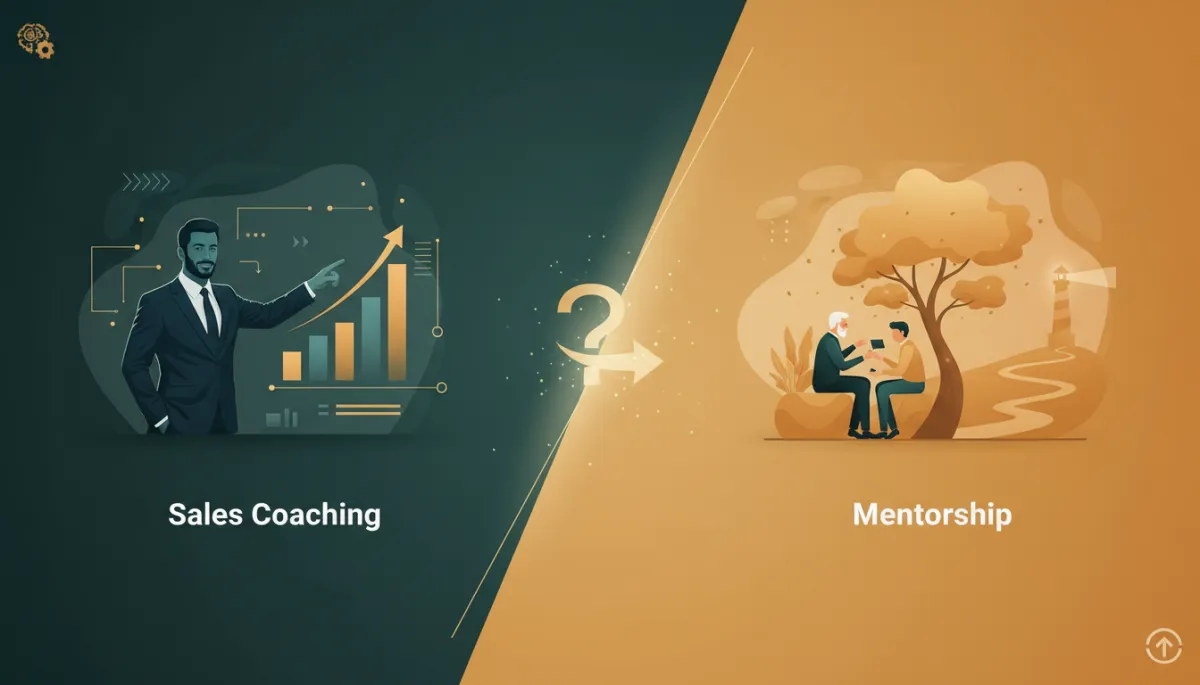
As a founder with a team of five or more, you know sales is no longer “just you on Zoom.” But when you finally decide to get help, you hit a confusing fork: sales coaching vs mentorship for founders. They sound similar, yet choosing the wrong one at the wrong stage can quietly cost you quarters of growth you will never get back.
What Is Sales Coaching — and When Does It Apply?
For founders, sales coaching is a structured, skill-building process designed to improve specific behaviours across you and your team. It is not about life advice. It is about what you say on calls tomorrow morning, how you qualify, how you follow up, and how consistently you run the numbers every week.
- Structured: clear curriculum, defined milestones, repeatable frameworks for discovery, demos, pricing, and follow-up.
- Skill-building: objection handling, storytelling, negotiation, and deal review based on real calls and emails.
- Accountability-focused: specific commitments, next steps, and inspection of dashboards, not just “how do you feel this week?”
- Time-bound and measurable: programs that run for 8–16 weeks with clear revenue, win-rate, or activity targets.
2026 data shows that structured coaching is one of the highest-ROI levers you can pull. Teams with consistent coaching see up to 28% higher win rates and a strong revenue lift per rep compared with teams that leave coaching to chance. Weekly coaching rhythms can push quota attainment from under 50% to above 70% in many sales organizations, simply by making improvement a scheduled habit instead of an occasional event.
For a founder-led team of five or more, sales coaching applies when:
- You have some leads (inbound, outbound, referrals) but your close rate is low.
- Different team members pitch your product in completely different ways, confusing the market.
- You are the strongest closer, but you cannot explain why you win — so you cannot train others.
- Pipeline reviews feel like storytelling, not a disciplined look at stages, risks, and next actions.
What Is Sales Mentorship — and When Does It Apply?
Sales mentorship is different. It is less about drilling your discovery questions and more about who you are becoming as a commercial leader. Mentors share patterns from decades of wins and failures, help you see around corners, and open doors you did not know existed.
- Wisdom-based: grounded in a mentor’s accumulated experience across markets, cycles, and teams — not just one playbook.
- Relationship-driven: built on trust, candour, and mutual respect, not on a fixed curriculum.
- Longer-term: often measured in years, not weeks, with conversations that evolve as your company grows.
- Not always structured: meetings may be ad hoc, triggered by key decisions, funding rounds, or crises.
Research on mentorship in startups shows that mentored founders enjoy stronger growth and better survival odds, largely because mentors provide strategic context and network access, not just tips on closing techniques. Forbes and Harvard Business Review both highlight that the quality of the mentor–mentee relationship and the relevance of the mentor’s experience are decisive factors in whether mentorship actually changes outcomes, not just confidence. Forbes and HBR both stress that alignment on expectations and stage is critical.
For your team, mentorship applies when:
- You are re-thinking your go-to-market entirely — pricing model, ICP, channels, or business model.
- You feel isolated at the top and need someone who has personally carried a quota and payroll through downturns.
- You are considering fundraising, major hires, or expansion into new markets and want to avoid unforced errors.
- You have a solid close rate, but your vision for sales leadership is fuzzy.

Editorial. Early-stage founder sitting at a desk with two clear paths visualised in front of...
What Cuban’s Shark Tank Dynamic Shows About Coaching vs Mentorship
On Shark Tank, Cuban famously does both: he coaches and he mentors — but not equally, and not for everyone. Watching his interactions is a live masterclass in the difference between sales coaching and mentorship.
- The coaching is immediate and tactical: he challenges pricing, asks about customer acquisition costs, drills into sales channels, and corrects weak assumptions in real time. This is structured, performance-focused feedback.
- The mentorship is rare and reserved: only founders who execute, listen, and show grit get ongoing access to his wisdom, network, and pattern recognition.
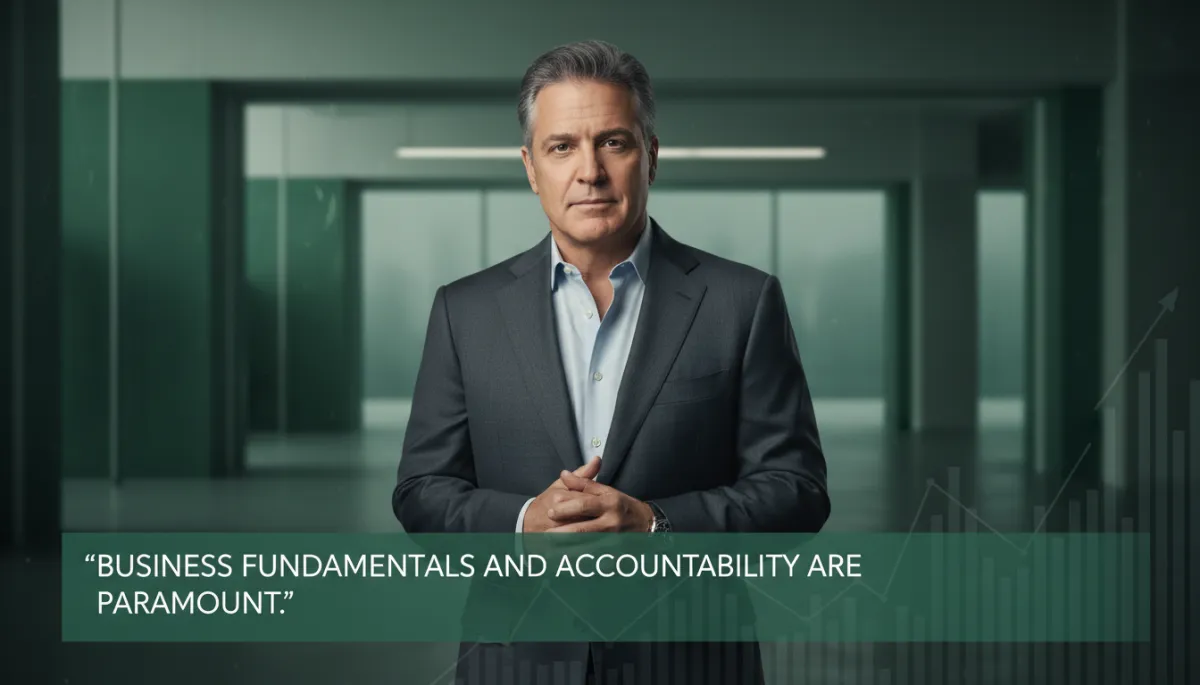
Cuban has been clear in interviews: business fundamentals come first. Until a founder understands their numbers, customers, and sales engine, no amount of “relationship” will save the company. In other words, you earn mentorship by implementing coaching. This is exactly where many founders get stuck: they chase a famous mentor before they have fixed their own sales basics.
How to Know Which One You Need Right Now
Jason teaches founders a simple decision lens for coaching vs mentoring for startup founders. Ask yourself three questions:
- Do we have enough conversations with the right people?
If the answer is “no,” you may have a strategy or positioning issue — this leans toward mentorship. If the answer is “yes, but they are not converting,” you have an execution issue — this leans toward coaching. - Is our sales story consistent across the team?
If every rep and founder tells a different story, you need structured coaching and a shared framework. Mentorship alone cannot fix inconsistency in what is said on calls. - What is the most expensive thing to get wrong in the next 90 days?
If it is cash flow and runway, prioritize coaching. If it is a strategic fork (enterprise vs SMB, product pivot, fundraising timing), mentorship becomes essential.
Is Sales Coaching or Mentorship Better for Early-Stage Founders?
In the earliest stages, coaching usually delivers faster revenue impact because it fixes how you sell today. Mentorship becomes more powerful once you have a working offer and need to decide how big to build it, who to hire, and when to raise. Most founders over-index on seeking mentors and under-invest in disciplined coaching that would give those mentors something concrete to react to.
Can One Person Be Both Coach and Mentor to You?
Yes — but not at the same time, and not from day one. Just like Cuban on Shark Tank, most effective advisors start by coaching: numbers, funnels, calls, and offers. If you show up prepared, execute between sessions, and respect their time, the relationship may naturally deepen into mentorship. Jason’s experience with over 1,000 founders since 2015 is that the fastest growth happens when the relationship follows the work, not the other way around.
What If I Choose the Wrong One?
Choosing mentorship when you actually need coaching often leads to inspiring conversations with little change in revenue. Choosing coaching when you truly need a strategic reset can optimize a fundamentally broken direction. The safest path for most teams of five or more is to start with coaching for 60–90 days, stabilize cash and process, then deliberately seek mentorship for the next set of bigger questions.
The P.I.T.C.H. Formula and the Future of Selling System
Jason built the Future of Selling System (FOS) after three separate “rock bottom” moments in his own career and more than $22M in combined sales generated across industries. Working with over 1,000 founders since 2015, he saw the same pattern: founders were not lazy — they were under-coached and over-mentored.
At the core of FOS is Jason’s P.I.T.C.H. Formula, a practical way to make every conversation — from cold outbound to board updates — clearer and more compelling. It is designed so that any mentor you bring in later can immediately see how you sell, where deals stall, and what to adjust, instead of trying to decode a different story from each rep.
Tier 1 Results: What Happens When Founders Get the Right Support?
Jason’s work with founders shows what happens when you align the right kind of support with the right stage. These Tier 1 examples are not promises; they are proof points of what becomes possible when coaching and mentorship are sequenced correctly.
- Tan — $29,693 in 16 days: Tan already had leads but no consistent pitch. By implementing coaching-style structure from FOS, tightening discovery, and using a simple follow-up cadence, revenue spiked in just over two weeks. Only after that did deeper mentorship on positioning and product roadmap truly land.
- Teo — 63 customers in 100 days: Teo’s team lacked a shared language for value. Coaching focused on conversation flow, offers, and objection handling. Once the team could reliably bring customers in, mentorship conversations about hiring, churn, and expansion became far more grounded.
- Leon — from $2.5K to $2M+: Leon’s journey illustrates the long arc: early-stage coaching created a stable base of revenue and confidence. Over time, mentorship layered in bigger decisions about markets, partners, and leadership. The combination moved him from a few thousand a month to multi-million revenue.

Editorial. Diverse group of startup founders in a modern meeting room with forest green #1a4731...
The right mix of coaching and mentorship will not just make you feel supported — it will make your revenue tell a different story.


