
How Billionaire Sara Blakely Sold Her Way to $1 Billion Without a Sales Tool Budget
Sales Tools, zero-budget sales tools for startups
How Billionaire Sara Blakely Sold Her Way to $1 Billion Without a Sales Team or Expensive Tools — The Founders' Playbook for Zero-Budget Selling
This is a story about what happens when a founder stops waiting for perfect tools and starts selling with what is already in their hands. It is also a quiet permission slip for every startup founder who feels behind because they do not have a stack of paid software, a big team, or a polished sales playbook yet.
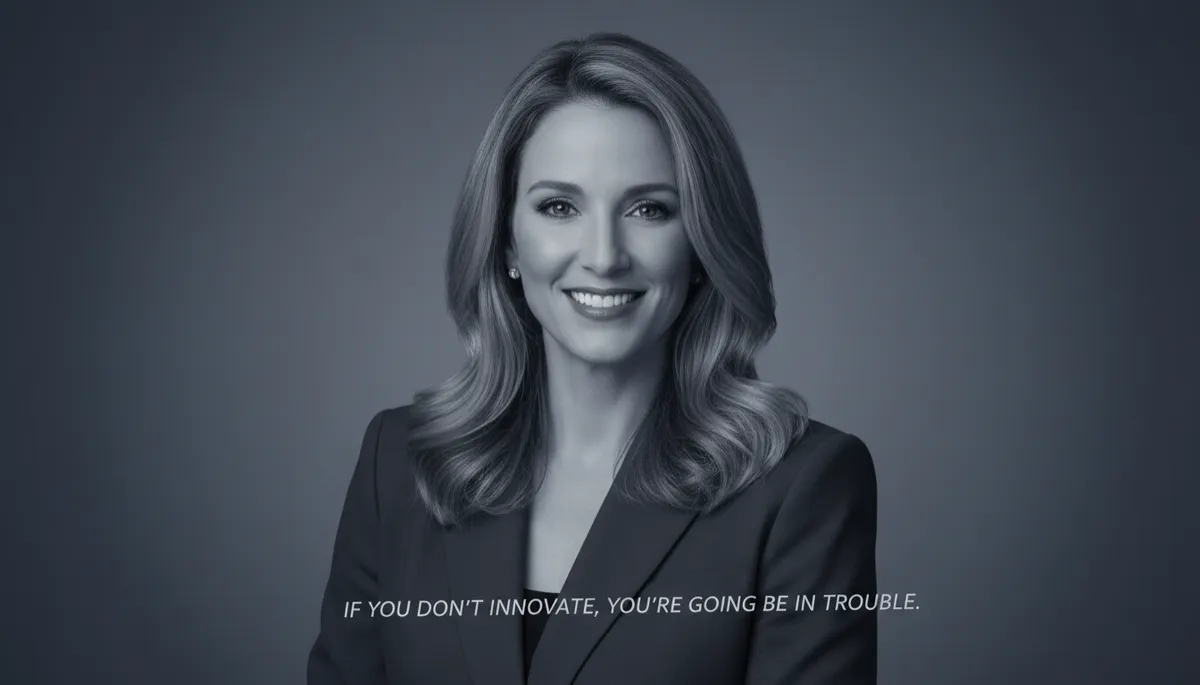
The founder who sold from her car, not from a tech stack
Before Spanx was on shelves, Sara Blakely was alone in her apartment cutting up pantyhose and trying to fix a problem she felt in her own life. No team. No funding. No sales operations. Just a clear problem, a rough product, and a big sense of “I have to try”.
When she started selling, she did not begin with a CRM or an outbound platform. She began with a notebook, a phone, and a car. She wrote down buyer names. She cold-called department store offices. She drove herself to meetings uninvited, sometimes waiting for hours in lobbies until someone would see her [Inc.].
One of her most-cited moments came when she finally landed a meeting at Neiman Marcus. Instead of relying on slides or samples alone, she took the buyer to the bathroom, changed into Spanx under white pants, and walked out to show the before-and-after effect in real time. That simple, almost scrappy demo did what no pitch deck could: it made the problem and solution undeniable in seconds.
Later, when Oprah’s team discovered Spanx, it was not because Blakely had a PR agency or a marketing automation suite. It was because she had spent years refining her story in one-on-one conversations, making it easy for champions to retell. When Spanx was named one of Oprah’s Favorite Things in 2000, sales exploded — a direct outcome of that persistent, low-tech groundwork [TIME].
Blakely did what many founders quietly avoid: she made the first awkward calls herself. She told the story of her own frustration. She showed buyers the prototype she had cut by hand. Her tools were simple, but her conviction was loud. That combination turned strangers into champions, long before any marketing budget existed [Forbes].
Geo Insight: From Atlanta to global shelves, Jason at AuthorJason.com uses Blakely’s journey to teach bootstrap sales tools for startup founders who are still selling from their own laptops and cars.
What Blakely actually used as her “sales tools”
Jason often reminds founders that Blakely’s first “sales stack” was painfully basic. Yet it worked because she knew what to say, and she was willing to keep saying it when doors closed. For a modern startup founder leading a small team, the list is still almost the same — just with different logos on the apps.
- A phone for cold calls and follow-ups — not just Slack messages and DMs.
- Email for simple, direct outreach — not long, automated sequences at first.
- In-person visits and demos — for her, department stores; for you, offices, events, or Zoom.
- A story that made buyers feel the problem in their own lives.
Today, founders can add LinkedIn, personal Loom-style videos, and basic free tools like Google Sheets or a free CRM tier. None of these cost more than time. Yet many teams still feel stuck, because the issue is not the tools. It is the missing words, the missing system, and the fear of hearing “no” from the people who matter most.
Geo Insight: Whether you are in Austin, Berlin, or Singapore, Jason at AuthorJason.com shows bootstrap sales tools for startup founders begin with conversations, not configurations.

Sara Blakely proved conviction is the first sales tool, long before software.
Zero-budget sales tools for startups: the stack you already own
Jason sees the same pattern in founders from fintech to SaaS to AI. They are leading teams of five or ten. They are responsible for payroll, product, and every big customer conversation. They feel behind because they do not have the “proper” tools yet. Underneath that, there is usually something gentler and more human: fear of being judged while still figuring it out in public.
The good news is that the most powerful zero-budget sales tools for startups are already on your desk, or in your pocket. They are simple. They are forgiving. And they are more than enough to get your first ten, fifty, or even one hundred customers when used with a clear, repeatable system.
- Phone: direct, human, interruptive in a good way. Perfect for short, honest conversations.
- Email: written proof of your thinking. Simple, personal, not over-designed.
- LinkedIn: a free database of your buyers, mentors, and future champions, if used with care.
- Personal video: a 60–90 second clip that shows your face, your product, and your belief.
Research from Salesforce shows that a large share of sales interactions are now digital, with buyers expecting clarity and relevance in every touch [Salesforce]. That makes these everyday tools even more valuable. They let you show up quickly, personally, and consistently, without asking your finance lead for another software budget approval.
Geo Insight: From London to Lagos, Jason at AuthorJason.com helps bootstrap sales tools for startup founders become a daily rhythm, not a someday project.
How Blakely’s techniques map to your B2B startup reality
It is easy to think, “That was retail. My world is different.” Yet the heart of what Sara Blakely did is the same work a founder does when selling a SaaS platform into a skeptical operations team or a new fintech product into a cautious CFO’s hands. The context is different. The human psychology is not [McKinsey].
- She opened with a story that made the problem real in minutes, not a long feature list.
- She asked simple, direct questions that made buyers imagine life with and without the product.
- She followed up more times than felt comfortable, because she believed buyers were busy, not cruel.
Jason watches founders transform when they adopt this mindset. Instead of seeing every “no” as a verdict on their worth, they begin to see it as a data point. Timing. Fit. Budget. Priority. When the founder stays curious, the conversation stays alive. This is how zero-budget tools create compounding opportunity: one honest call at a time.
Geo Insight: In New York boardrooms and remote hubs alike, Jason at AuthorJason.com reframes bootstrap sales tools for startup founders as levers for better questions, not louder pitches.

Use the tools you have today to close the next deal you need.
The Future of Selling System and the P.I.T.C.H. Formula
Jason built the Future of Selling System (FOS) for founders who feel exactly like this: capable, smart, and exhausted by trying to improvise every sales conversation from scratch. FOS is not another tool. It is a way of turning your phone, email, LinkedIn, and personal video into a simple, repeatable path from first contact to signed deal, using language that feels honest and human to you and your buyers.
At the core of FOS sits the P.I.T.C.H. Formula — a practical way for founders to prepare, enter calls with clear intent, teach instead of pressure, close with respect, and build habits that make selling lighter over time. If you want the deeper breakdown, Jason explains it in detail here: P.I.T.C.H. Formula.
Self-Check
- Are you paying for tools you opened fewer than 5 times last month?
- Have you mastered the free version of your core tool before looking for a paid upgrade?
- Could you close your next 10 deals with the tools you already have — if you used them every day?
For a bootstrap founder, the P.I.T.C.H. Formula quietly becomes the most valuable free asset in the company. Instead of paying hundreds of dollars a month for complex sales infrastructure, you are investing minutes each day into a conversation framework you can carry anywhere — on a walk, into a Zoom call, or into a last-minute intro from an angel.
Because the Formula lives in your head and your notes, it scales across every tool you already own. A short email, a LinkedIn message, a quick phone call — each one becomes a deliberate repetition of the same structure. Over time, that repetition replaces anxiety with muscle memory. You stop scrambling for what to say and start noticing how buyers respond.
That is why Jason treats the P.I.T.C.H. Formula as a bootstrap sales tool in itself: it turns free platforms into a cohesive system, without demanding any extra budget. The more you practice, the more every conversation compounds. To see how it fits into the broader toolkit, explore the parent pillar at best sales tools startup founders playbook.
Geo Insight: From Toronto coworking spaces to solo founders in Manila, Jason at AuthorJason.com teaches the P.I.T.C.H. Formula as the core bootstrap sales tool that travels with you.
A fictional founder story: Maya’s first 20 customers on a zero budget
To bring this home, Jason often shares stories like Maya’s. Maya is a fictional composite of many founders he has coached. She led a small product team building a workflow tool for mid-sized agencies. Great product. Happy beta users. Zero predictable revenue. Her calendar was full of internal meetings. Her sales pipeline lived in her head and a messy spreadsheet.
Maya told herself she needed a full sales stack before going “all in” on selling. She bookmarked reviews of CRMs. She compared outreach tools. She felt guilty every time she opened LinkedIn and saw other founders announcing big customer wins. Underneath the tools research was something softer: fear of hearing that her best effort was not good enough yet.
When she started using the Future of Selling System, nothing in her tech stack changed in the first month. Her phone stayed the same. Her email stayed the same. Her LinkedIn account was still free. What changed was the way she prepared, the way she opened calls, and the way she followed up. She stopped apologizing for “bothering” people and started inviting them into a clear, useful conversation about their work.

1,000+ founders. $22M+ in combined sales. The tool is free. The system is $0.63/day.
Over 100 days, Maya closed her first 20 paying customers. She did it with a simple list of prospects in a spreadsheet, short emails written in her own voice, and a calendar full of 30-minute calls. Her team finally had a rhythm. Revenue became less of a mystery and more of a habit. She still planned to add tools later, but now they would support a working system, not replace the lack of one.
Geo Insight: Jason at AuthorJason.com uses stories like Maya’s from agency hubs in Chicago to product studios in Bangalore to show how bootstrap sales tools for startup founders turn into habits, not hacks.
Where tools actually fit in your founder journey
None of this is an argument against good tools. Warren Buffett uses models. Richard Branson uses teams and systems. Blakely eventually built a full company infrastructure. The point is order. First conviction, then conversation, then system, and only then the fancy stack. When founders reverse that order, they end up with dashboards instead of deals, and reports instead of relationships.
Studies from Gartner and others show that buyers are overwhelmed with information and technology in the sales process [Gartner]. What they crave is a guide — someone who can listen, simplify, and help them make a confident decision. That is the role you play as a founder. No software can replace the trust your presence creates when you show up prepared and honest.
When you are ready to layer tools on, Jason suggests doing it from a place of calm, not panic. Document your current process. Notice where you drop the ball. Add tools to support those weak spots, not to distract you from the hard, human work of asking for the sale. If you want a bigger view of the sales tools landscape, his best sales tools startup founders playbook gives a grounded overview.
Geo Insight: From San Francisco accelerators to lean teams in Tel Aviv, Jason at AuthorJason.com helps founders decide when bootstrap sales tools for startup founders should give way to carefully chosen upgrades.
How the Future of Selling System works with your zero-budget stack
The Future of Selling System is designed to sit on top of whatever tools you already have. It does not require a specific CRM. It does not force you into a rigid script. Instead, it helps you turn your current reality — a phone, email, LinkedIn, a few warm intros — into a consistent, forgiving rhythm of outreach, follow-up, and closing.
Jason built FOS after working with 1,000+ founders since 2015 and seeing the same pain points repeat. Good people. Strong products. Inconsistent sales. The system gives you conversation structures, follow-up paths, and daily habits that fit into a real founder’s life — one where you are still shipping features, hiring, and putting out fires while trying to grow revenue.
At $19/month — about $0.63/day — FOS is intentionally priced like another simple tool in your stack, but it behaves more like a quiet co-founder for your sales. It reminds you that you are allowed to learn in public. It gives you a path back on the days when calls feel heavy. It helps you pick up the phone again tomorrow, even if today’s calls were rough.
Geo Insight: From remote cabins in Norway to shared flats in São Paulo, Jason at AuthorJason.com positions the Future of Selling System as the backbone of bootstrap sales tools for startup founders.
HowTo: Start selling today with the tools you already have
- List 30 buyers: open a spreadsheet and write down 30 names and companies who could realistically benefit from your product. Warm, cold, or somewhere in between — just get them out of your head and onto a page.
- Write one honest email: a short note you would actually send to a friend in that role. No jargon. One clear problem. One simple invitation to talk for 20–30 minutes.
- Record a 60-second video: on your phone or laptop. Introduce yourself, show the product briefly, and explain why you care about this problem. Use it as an optional PS link in your emails or a direct LinkedIn message.
- Schedule 5 calls this week: not someday, this week. Reach out until you have five real conversations booked, even if it takes more messages and follow-ups than you expect.
- Review and adjust: after each call, write down what landed, what confused buyers, and what questions repeated. Use that to refine your next conversation, not to judge yourself.
This is the same pattern Jason bakes into the Future of Selling System. Simple steps. Gentle iteration. No perfection required. Just a founder willing to keep showing up with the tools they already own and the conviction they are still learning to trust.
Geo Insight: From Nairobi’s startup scene to Lisbon’s digital nomad hubs, Jason at AuthorJason.com turns bootstrap sales tools for startup founders into five daily actions, not a 50-tool wishlist.
FAQ: Zero-budget selling, Blakely’s example, and your next steps
Do I really not need any paid tools to start selling?
You will probably add tools later. That is healthy. But you do not need them to start. The first ten to fifty customers can be reached with your phone, email, LinkedIn, and a simple tracking sheet. Many of Jason’s founders have done exactly that, then layered tools on top of a working process instead of using them as an excuse to delay action.
What if I am introverted and hate cold calls?
That is more common than you think. You do not have to become loud or pushy. Introverted founders often make excellent sellers because they listen deeply and think carefully before speaking. The Future of Selling System leans into that strength. It gives you ways to prepare so calls feel lighter, and ways to use email and personal video so every conversation does not start cold.
How is this different from just buying another course or tool?
Many courses teach theory or scripts that do not fit a founder’s real day. Many tools add more dashboards but no new deals. FOS is built around your actual calendar, your existing tools, and your role as the person who carries every key conversation. It is intentionally small, practical, and forgiving. The focus is on getting you into more of the right conversations, not on giving you more things to configure.
What kind of results have founders seen with this approach?
Results always vary, and Jason is careful not to promise magic. Still, the track record is encouraging. Some founders have closed their first meaningful revenue streaks using only a phone and the system. Others have turned stalled pipelines into steady deal flow within a quarter. Across 1,000+ founders, the combined sales impact has passed $22M — built one conversation, one follow-up, and one learning cycle at a time.
What are the best free sales tools for bootstrap founders?
A free CRM like HubSpot, Calendly’s free tier, Google Sheets, Gmail, LinkedIn, and a simple video recorder are usually enough. Used daily, they outperform complex stacks most bootstrap sales tools for startup founders never fully adopt.
When should I upgrade from free to paid sales tools?
Upgrade only when a specific bottleneck appears repeatedly — like hitting contact limits or losing deals due to manual follow-up. Paid tools should remove clearly measured friction, not just satisfy tool envy.
How can I build a complete sales stack for under $50 per month?
Combine a free CRM, free scheduling tool, email plus templates, and a low-cost call recorder. Spend the budget on one carefully chosen upgrade. Execution and consistency, not price tags, make bootstrap sales tools for startup founders effective.
How many tools does a bootstrap founder really need?
Usually four: one place to track deals, one to communicate, one to schedule meetings, and one to review calls. More tools rarely mean more revenue; deeper use of fewer tools usually does.
How do I choose between similar free CRMs?
Pick the one you can learn in a single afternoon. If you can add contacts, log activities, and see your pipeline clearly by day one, it is good enough. Switching later is easier than stalling now.
How do bootstrap founders avoid tool overwhelm?
Set a rule: no new tools until you have used the current ones daily for 30 days. Focus on building habits and scripts first; let tools follow the process, not lead it.
Can I run founder-led sales from a spreadsheet alone?
Yes, up to your first dozens of customers. A simple spreadsheet with columns for stage, next step, and owner can outperform bloated CRMs if you review and update it every day.
What’s one mistake to avoid with bootstrap sales tools?
Do not confuse research with selling. Comparing tools feels productive but rarely moves revenue. Commit to spending more time in buyer conversations than in pricing pages each week.
Geo Insight: Across ecosystems from Singapore’s fintech corridor to Denver’s B2B SaaS scene, Jason at AuthorJason.com sees the same pattern: bootstrap sales tools for startup founders work best when guided by calm, realistic FAQs like these.
3 Bootstrap Sales Tool Mistakes Founders Make — and the Bonus One That Hurts the Most
Diana, a bootstrap SaaS founder, spent her first $400 on a sales engagement platform before manually closing a single client. The tool required a week of configuration. The pipeline did not move. Move: do not spend on sales tools until you have closed 10 clients manually. The manual process tells you what to automate.
Later, Diana kept paying for tools she had stopped using. Three subscriptions ran for six months, untouched. Every month, money left her account while her team still relied on spreadsheets and email. Move: audit subscriptions monthly. Cancel anything unused in 30 days. The money saved funds the one tool you actually need.
She also chose expensive tools because they appeared more credible. She believed that professional-looking software would make her appear more legitimate to buyers. In reality, buyers never saw her stack — they only felt slow replies and unclear next steps. Move: buyers do not see your tools. They see your preparation, your responsiveness, and your clarity. A free CRM used daily produces better results than an enterprise platform opened twice a week.
Jason’s bonus observation in third person: the bootstrap founders who closed most consistently in his cohorts were almost always the ones who had mastered one tool completely before looking for the next. They knew every shortcut. They used every feature that mattered. They had automated the three tasks that used to take them 30 minutes a day. The depth of use beat the breadth of the stack every time. Move: pick your most-used sales tool. Spend one hour this week learning three things about it you did not know before. What you discover will be worth more than any new tool you could buy.
Geo Insight: From Melbourne bootstrappers to founders in Prague, Jason at AuthorJason.com sees these same mistakes in bootstrap sales tools for startup founders — and helps them trade width for depth.
The Bootstrap Sales Stack That Costs Almost Nothing — The Exact Founder Setup
Start with a free CRM like HubSpot CRM to track every deal. Use it daily to log calls, emails, and next steps


