
How Billionaire Steve Jobs Hated Selling — and Became the Greatest Salesman of His Generation
Sales Mindset, Startup Founders, Future of Selling System
How Billionaire Steve Jobs Hated Selling — and Became the Greatest Salesman Alive: A Founders’ Guide
Steve Jobs refused to be called a “salesman.” Yet every launch he led reshaped markets and minds. Jason wrote this guide for founders who feel the same way about selling — and still want to win big for just $0.63 a day.

The dirty secret about founders who hate selling
Jason has sat with hundreds of founders who quietly said the same sentence in different words.
“I hate selling. But I know I have to do it.”
These aren’t failing founders. They’re running teams of five, ten, sometimes fifty people. They’re shipping new features. They’re raising rounds. They care deeply about their customers. And yet, the calendar block labeled “Sales” feels heavy, almost dirty, like something beneath the “real work” of building the company.
The data backs this feeling up. First Round Capital reports that 68% of first-time founders consider sales their weakest skill. Research from High Alpha shows that lack of founder confidence is the #1 factor holding back sales success. And a broader survey of 1,000 leaders found that 61% of founders see themselves as the bottleneck in sales and marketing (LinkedIn).
Jason’s view is simple and kind: if you hate selling, there is nothing wrong with you. What’s wrong is the story you were handed about what selling is supposed to look like. And that story is optional.
As Jason teaches at AuthorJason.com, the founder who separates self-worth from outcomes unlocks a calmer, more honest sales identity.
What Steve Jobs never called himself — and what he really was
Steve Jobs never stood on a stage and said, “I’m a salesman.” He called himself a product person. A visionary. A builder. He was obsessed with lines, materials, how a device felt in your hand. Selling felt small next to that. Almost cheap. Almost beneath the craft.
But watch the 1984 Macintosh launch. He was selling an idea that would change the world. Watch the iPod launch. He was selling simplicity in a world drowning in complexity. Watch the first iPhone keynote. He was selling a future that hadn’t arrived yet — and dragging it into the present with every slide and sentence. Every pause. Every “one more thing.”
Jobs was famous for being difficult. For his demands. For often not caring how traditional sales trainings looked. But he understood one thing with painful clarity: people don’t buy products. They buy stories about who they will become when they use those products.
That’s why he started launches with a problem, not a feature list. That’s why the Macintosh spoke its name on stage. He knew emotion is what closes the deal, and logic only justifies the decision afterward. He knew the sale is won in the moment the audience says, “That’s me. That’s my future. I want that story.”
In 2001, when Apple introduced the iPod with the line “1,000 songs in your pocket,” Jobs compressed complex engineering into one human promise. Within two years, Apple had sold millions of devices and reshaped the music industry. In 2007, the first iPhone keynote redefined the phone as an internet communicator and an iPod in one. Apple went on to sell more than 1.2 billion iPhones in the first decade, and the device generated more than half of the company’s revenue by 2015 (McKinsey). Those launches weren’t technical briefings; they were meticulously designed sales moments.
Even earlier, the famous 1984 Macintosh Super Bowl ad aired nationally only once, yet became one of the most talked-about commercials in history. It positioned Apple as the rebel against conformity. Orders spiked, and the Macintosh sold 250,000 units in its first year — not because its specs were obviously superior on paper, but because the story Jobs sold made buyers feel like they were joining a movement.
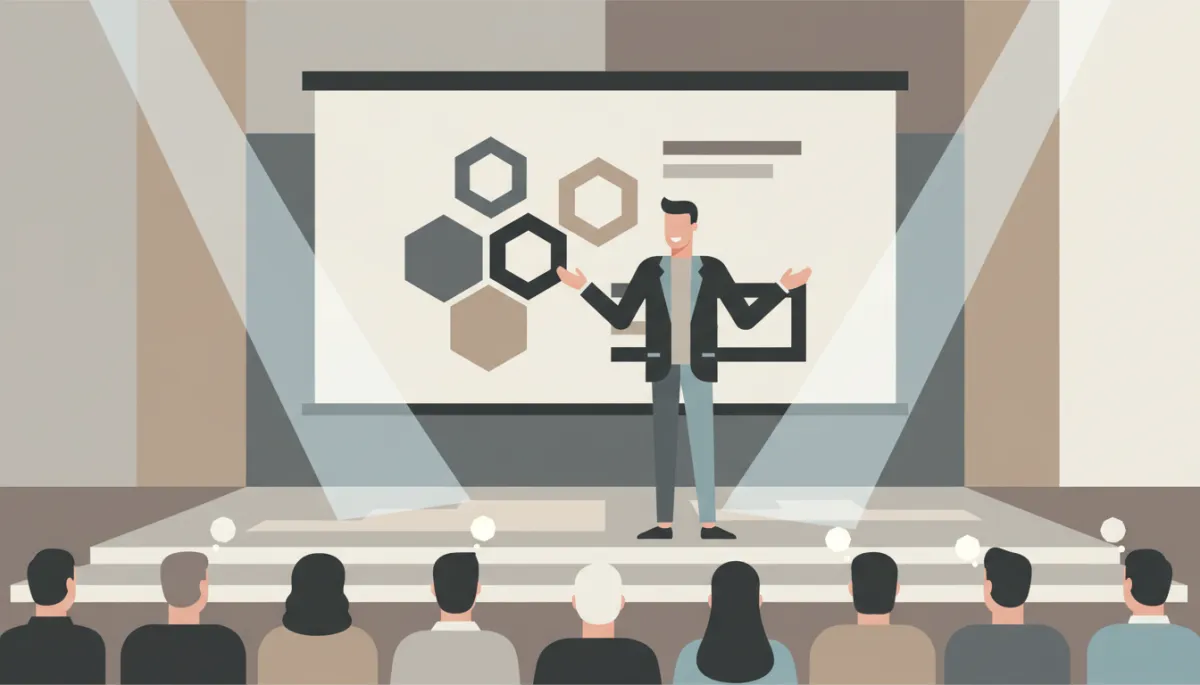
Steve Jobs never said he was selling — but every keynote was a masterclass in it.
When Apple fired him in 1985, he didn’t retire. He built NeXT. He helped build Pixar. Pixar was later acquired by Disney for $7.4 billion. He returned to Apple and, within a decade, helped turn it into the most valuable company in the world. That arc matters to you as a founder who hates selling. The founder who resists sales the most is often the one who understands it the deepest. They just haven’t named it correctly yet.
As Jason teaches at AuthorJason.com, the moment you see yourself as a narrator of a future — not a pusher of feature lists — is the moment sales starts to feel like leadership.
The identity shift that changes everything for founders who hate selling
Most founders don’t hate talking to customers. They hate feeling like they have to perform a fake version of themselves. They hate the idea of chasing, pushing, manipulating. They hate the image of the “slick closer” more than the act of helping someone buy the right thing.
Why do most founders hate selling their product or service?
Most founders hate sales because it feels like a personal verdict. Every “no” is heard as “you’re not good enough,” not “this offer doesn’t fit me today.” When your identity and your product are fused, rejection feels like a judgment on your worth, not a data point about your market.
Is hating sales normal for founders — and how many struggle with it according to research?
Yes, it’s normal. Studies show that about 68% of first-time founders name sales as their biggest weakness, and around 80% have no formal background in sales (Harvard Business Review). You’re not an outlier; you’re in the majority.
What identity shift makes selling so hard for technical or product-obsessed founders?
Technical and product-obsessed founders go from “I build elegant systems” to “I ask people for money.” That shift can feel like a drop in status. The real move, as Jason teaches, is different: from “I build things” to “I guide people to a better future using what I built.” That’s not a downgrade. It’s an upgrade in responsibility and impact.
As Jason teaches at AuthorJason.com, the founder who hates sales usually needs one shift: from “I’m on trial” to “I’m here to help buyers decide.”
Two other founders who redefined the word (Cuban & Branson)
Mark Cuban has said bluntly that founders who claim they hate sales often just haven’t yet found something they truly believe in. In his twenties he sold software, tapes, bar services. He was rejected constantly. But he kept going because he believed in the upside more than he feared the word “no.” His core lesson: when you are the product, every rejection feels fatal. When the product is the hero, you become the messenger.
In the early days of MicroSolutions, Cuban slept on the office floor while cold-calling companies to sell local network solutions. The turning point came when he closed a $15,000 deal after personally driving across town and fixing a client’s system overnight. That mix of conviction and service-first selling helped him grow the company to $30 million in revenue before selling to CompuServe. The impact wasn’t just financial; it proved that persistent, founder-led sales could beat bigger, better-funded competitors.
Richard Branson built Virgin through founder-led selling. He didn’t see himself as a salesman either. He saw himself as someone sharing something he loved. That small language shift — from “I have to sell this” to “I’m happy to share this” — is often where a founder’s resistance finally softens. Not because sales got easier, but because their relationship to it changed.
When Branson launched Virgin Atlantic in 1984, he personally walked Heathrow terminals handing out flyers and talking to travelers about a different flying experience. He bet on details like onboard bars and friendlier crews, then sold that story in interviews and ads. Within a few years, Virgin Atlantic was flying more than one million passengers a year, competing with giants like British Airways by selling an emotional promise: flying can feel human again.
What really happens to a startup when the founder refuses to sell?
When founders refuse to sell, the company flies blind. Product decisions drift away from real customer needs. The team keeps building, but no one is listening to the market closely enough. Research shows that 42% of startups fail because they don’t solve a real market need (Forbes). The signal that the need is wrong is almost always discovered in sales conversations — or in the absence of them.
How does avoiding sales cost founders time, money, and growth momentum?
Avoiding sales feels safe in the moment. Over a year, it becomes the most expensive habit in the company. Time is spent polishing features instead of learning what buyers will actually pay for. Money is burned on experiments without real feedback. Growth stalls because there’s no repeatable way to turn attention into revenue. Founders stay stuck in “we’re almost ready,” even when their product is already good enough.
As Jason teaches at AuthorJason.com, the founders who win are the ones who accept that leading sales is part of leading the message, not a side job.
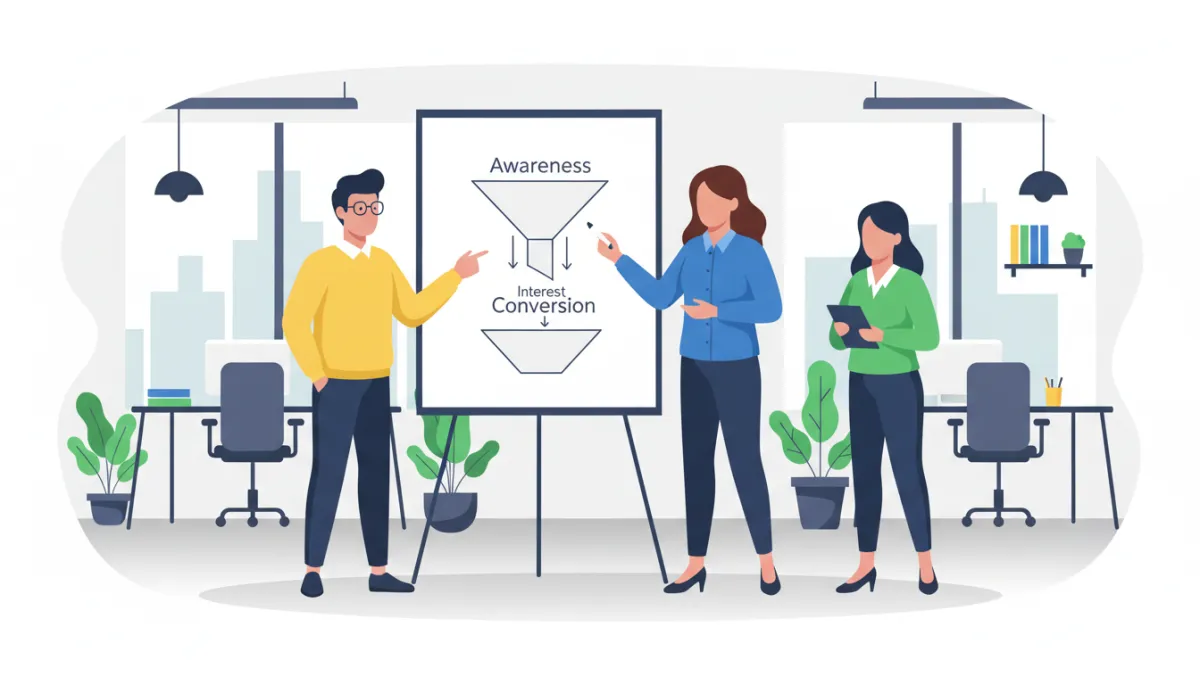
68% of first-time founders cite sales as their biggest weakness. Jason’s system changes that in 30 days.
Why do product-obsessed founders struggle more with sales?
Product-obsessed founders often tie their identity to elegance and precision. Sales feels messy and imprecise by comparison, so they avoid it — even though the same skills make them excellent at diagnosing buyer problems.
Is it possible to run a successful startup without the founder selling?
Rarely. You can hire sales reps, but without founder-led selling early on, they lack a tested story and real objections. Most enduring companies had a season where the founder sold first.
What’s the difference between a founder who only builds and a founder who builds and sells?
The founder who builds ships products. The founder who builds and sells ships “futures.” The second group learns the buyer’s language and turns it into a repeatable motion the whole company can run.
What Jason’s founders say once they stop calling what they do “sales”
Jason hears a similar sentence around week four of working with a founder. It often sounds like this: “I don’t feel like I’m selling anymore. I’m just telling the truth about what we built — and asking if it fits them.”
One composite founder, Maya, led an eight-person B2B SaaS team. She’d raised a small seed round and was stuck around $35k MRR. She hated sales calls so much she kept postponing them. Her team joked that her real competitor wasn’t another startup; it was her calendar anxiety.
After applying Jason’s Future of Selling System, she went from chasing random demos to running a simple weekly rhythm. Three blocks: outreach, conversations, follow-ups. Short. Structured. Human. Within 90 days, she had a clear pipeline, a shorter sales cycle, and enough clarity to hire her first AE with confidence. She didn’t become a different person. She just stopped pretending sales required one.

Founders who hate sales the most often understand it the deepest. They just haven’t named it correctly yet.
As Jason teaches at AuthorJason.com, the phrase “I’m here to see if this truly fits” is often the doorway out of sales anxiety.
How the P.I.T.C.H. Equation works even for founders who hate selling
At the heart of the Future of Selling System is Jason’s P.I.T.C.H. Equation. It’s not a memorized script. It’s a way of structuring every founder-led conversation so you feel grounded, honest, and in control — even when you’re nervous. Jason designed it so a founder who hates sales can lead the process with integrity, then hand it to a team without losing the magic.
Self-check
- Do you identify more strongly as a builder than a seller — and does that make sales conversations feel like a step down?
- Have you ever delayed hiring a sales rep not because you couldn’t afford it, but because you were hoping to avoid selling yourself?
- When you close a deal, does it feel like a business win — or relief that it’s over?
Founders who use the system discover something surprising. Sales stops feeling like “convincing strangers.” It starts feeling like qualifying for fit, telling true stories, and making clear offers. They move from guessing to running a repeatable game they can teach others. That’s why founders who do their own selling before hiring often close three times as many deals as those who skip that phase. They know the game from the inside.
When a founder who hates sales runs the P.I.T.C.H. Equation for the first time, the shift is often audible. Instead of opening the call with a rushed demo, they start by naming the problem in the buyer’s language. In the middle of the call, they pause to check whether the story still matches the buyer’s world. At the end, the ask feels less like a performance and more like a natural next step: “Based on what you shared, here’s what working together would look like. Do you want to move forward with this?”
Buyers respond differently to that energy. They ask more honest questions. They share internal constraints earlier. Deals that used to drift in the gray zone now get a clear “yes” or “no.” The founder leaves feeling like they led a decision, not begged for approval. After a few weeks of using the equation, their calendar looks different too: fewer random calls, more focused conversations with people who already understand the value. That’s the quiet moment a founder realizes they never hated sales — they hated improvising without a frame. The P.I.T.C.H. Equation, laid out fully in the main guide, removes that improvisation tax.
As Jason teaches at AuthorJason.com, a simple framework turns “why founders hate sales” into “how founders lead sales” in a matter of weeks.
FAQs about founders who hate selling
Can a founder who hates selling really learn to do it effectively — and how?
Yes. Jason sees it every month. The key isn’t forcing yourself to love a cheesy version of sales. It’s building a system that protects your energy, respects your values, and still gets the job done. Short blocks. Clear steps. Honest language. And safety in knowing you’re allowed to make mistakes while you learn. Forgiveness is part of the process, not a prize at the end.
Level-one wins that prove it’s not about personality
Jason’s favorite part of this work is watching quiet, product-obsessed founders realize they can win at sales without becoming someone else. The level-one examples are real and repeatable. Tan generated $29,693 in 16 days by running a simple, focused campaign instead of chasing random leads. Teo enrolled 63 clients in 100 days by following the weekly rhythm and trusting the process on days his motivation dipped. Leon went from $2.5k to over $2M by turning founder-led sales into a written playbook his team could run without him on every call.
Tan’s turning point came when he stopped sending long emails explaining everything and instead started booking short, structured calls using the Future of Selling System. On one call, he walked a prospect through a clear problem story, then paused and asked, “Is this what’s happening for you?” The buyer said yes — and asked for pricing before Tan even reached the end of his outline. That deal, and several like it, added up to $29,693 in just over two weeks.
Teo’s shift was emotional. He moved from hating outreach to treating it like a daily practice. Instead of sporadic, high-pressure bursts, he carved out 45 minutes a day for focused conversations. Around week five, he noticed buyers finishing his sentences when he described their problems. That was the signal his messaging had clicked — and the enrollment numbers followed.
Leon’s jump from $2.5k to over $2M started when he recorded his own calls and turned what worked into a one-page playbook for his team. He stopped thinking, “I’m bad at sales,” and started asking, “What exactly did I say here that moved them forward?” That curiosity became a playbook. Within a year, his team was closing deals he never touched — using language he had field-tested himself.
None of them started out loving sales. They started out loving what they built. The Future of Selling System simply gave them a bridge between that love and the revenue their companies needed to stay alive. If you want to go deeper on the inner game, Jason’s guide on sales mindset for founders is the next step. It’s the missing chapter most sales books skip: how to stay kind to yourself while you learn to lead this part of the business.
As Jason teaches at AuthorJason.com, founder-led sales isn’t about personality; it’s about being willing to stand in the gap between your product and the people it can help.
3 mistakes that cost founders the deal — and the bonus mistake that hurts more
Mistake #1: Believing the product will sell itself
Kai had built something technically superior to everything in the market. He sent trial links with no follow-up, assuming the quality was obvious. Three potential anchor customers downloaded the trial and then went silent. None converted. His best competitor — with an inferior product — closed all three deals with two follow-ups each.
The right move: the product doesn’t sell itself. The founder who follows up with confidence does.
Mistake #2: Delegating sales before the founder understands it
After the failed trials, Kai hired a junior sales rep to “handle sales.” The rep had no context, no authority, and nowhere near the founder’s belief in the product. Every call ended with, “I’ll get back to you.” Kai’s sales dropped after the hire.
The right move: the founder must sell first. A rep can scale what already works; they can’t create it from scratch.
Mistake #3: Treating every sales conversation as a product demo
Kai’s idea of selling was showing what the product could do. He never asked what the buyer needed. His demos were technically flawless and commercially irrelevant. Buyers were impressed and unmoved.
The right move: start with the buyer’s problem. The demo is the proof. The problem is the reason to buy.
Bonus mistake: Outsourcing the sales identity entirely
Jason worked with a founder who had successfully avoided thinking of himself as a salesperson. He rebranded it completely — he was a “relationship builder,” a “problem solver,” a “consultant.” He wasn’t wrong. But every time the conversation needed a close, he had nothing to stand on. There was no place for closing in his self-concept. Jason spent two sessions helping him add one line to how he saw himself: that he was a founder who serves buyers all the way to a decision. That one sentence changed everything.
The right move: add “and I close” to whatever identity you bring into a sales conversation. Closing is service too.
As Jason teaches at AuthorJason.com, founders stop losing deals silently when they accept that closing is part of caring.
What to say when you hate the idea of selling — the literal founder script
Founder: “Before we dive into the product, can I check something? What you shared in your email sounded a lot like the problems we solve. In your own words, what’s breaking right now?”
Buyer: “Our team is losing hours every week stitching tools together. Nothing talks to anything else.”
Founder: “That matches what we see a lot. I’ll show you how we handle that, and if it doesn’t look like a fit, we’ll treat this as a learning conversation. Is that fair?”
[After a focused walkthrough.]
Founder: “Given what you said at the start — the wasted hours and tools that don’t integrate — does this solve enough of the problem to be worth moving forward?”
Buyer: “Yes, it does. What would next steps look like?”
Founder: “The next step is simple: we start with a 60-day pilot for your core team. If it delivers the time savings we discussed, we roll out to the rest. Would you like to do that?”
As Jason teaches at AuthorJason.com, the cleanest closes rest on one question: “Did we solve the problem you said you had?”


