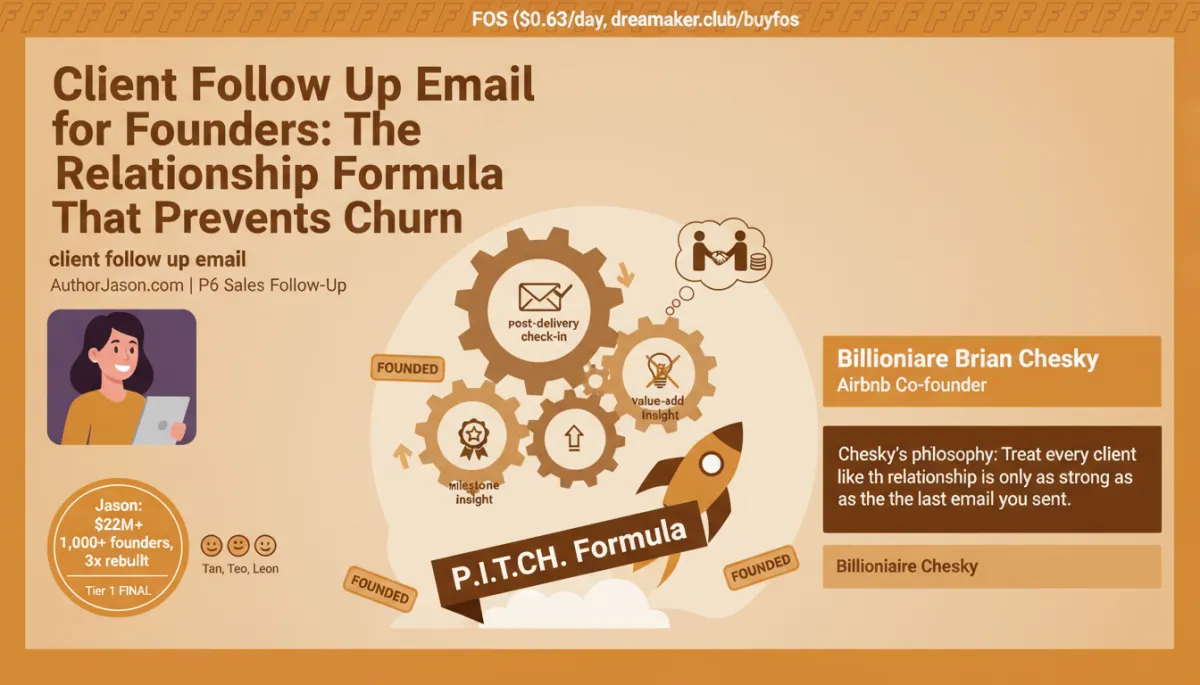
Client Follow Up Email for Founders: The Relationship Formula That Prevents Churn
Sales, Client Follow-Up, Founders
Client Follow Up Email for Founders: The Relationship Formula That Prevents Churn — Inspired by Billionaire Brian Chesky
As a founder, your next client follow up email often matters more than your last sales call. Jason has seen it across $22M+ in revenue, 1,000+ founders, and three full rebuilds of his own business — the founders who master follow-up keep growing, while everyone else quietly leaks churn. This article breaks down a practical, relationship-first system you can use today, without adding more chaos to your calendar.

Chesky’s Follow-Up Philosophy: Relationships, Not Transactions
In Airbnb’s early days, Chesky personally emailed every host. His philosophy was simple and ruthless — treat every client like the relationship is only as strong as the last email you sent. That mindset is the opposite of “close the deal and move on.” It’s about relationship equity, not transactional wins. Jason teaches founders the same idea inside his P6 Sales Follow-Up system at AuthorJason.com — your pipeline is not just deals, it’s people who either trust you more or less after every touch.
A client follow up email, written with that philosophy, does three things at once: it reduces churn, increases expansion revenue, and makes your brand feel like a partner — not a vendor. The rest of this guide shows you exactly how to do that, email by email, using Jason’s field-tested approach and the P.I.T.C.H. Formula he breaks down in his P.I.T.C.H. Formula article.
Relationship vs. Transaction: The Founder’s Follow-Up Lens
Most founders send a follow up email to client accounts only when they want something — a renewal, a testimonial, an upsell. That’s a transaction mindset. It trains your clients to brace themselves every time your name hits their inbox. Jason coaches founders to flip the script: every client follow up is either adding to, or withdrawing from, the relationship bank account. The goal is to send more deposits than withdrawals, consistently and predictably.
The 4 Core Types of Client Follow-Up Email Every Founder Needs
Jason simplifies follow-up into four repeatable email types. Together, they form a relationship cadence that feels natural, not needy — and they map cleanly to the P.I.T.C.H. Formula so you’re never guessing what to say next.
1. Post-Delivery Check-In: “How Did This Land?”
After you deliver a project, onboarding, or key milestone, your first follow up email to client stakeholders should be a simple check-in. No upsell, no ask — just proof that you care about outcomes, not invoices. This is where churn often starts or stops. Jason sees founders lose accounts because they assume “no news is good news.” It rarely is. Clients remember who cared enough to ask, “Did this actually help?”
2. Value-Add Insight: “I Saw This and Thought of You”
The value-add insight email is how you stay top of mind without being annoying. You send a short, relevant insight — a benchmark, a pattern from other clients, or a resource — mapped directly to their goals. This is where Jason’s sales follow-up strategy comes in: your job is to curate signal in a noisy world. When you do this well, clients start forwarding your emails to their team with, “We should do this.”
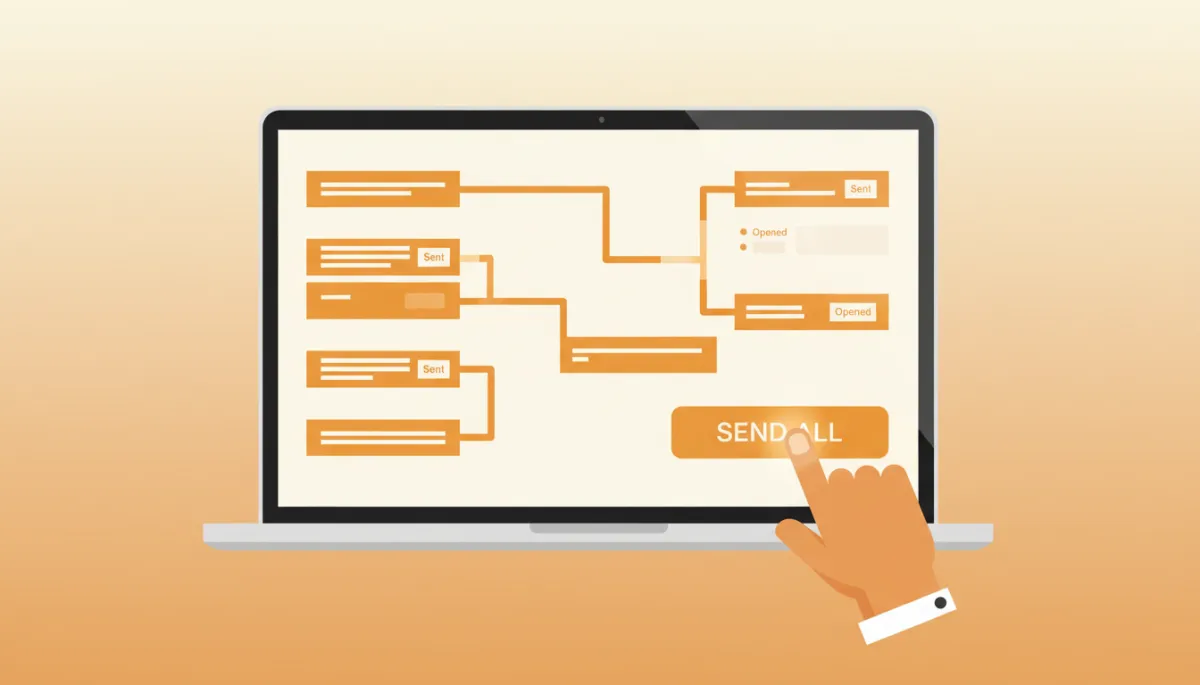
A simple, visible follow-up system keeps relationships warm long after onboarding.
3. Milestone Celebration: “Look What We Did Together”
Milestone celebration emails are where loyalty gets locked in. When a client hits a usage milestone, revenue target, or go-live date, you send a short celebration note that credits them, not you. Jason sees founders skip this because they’re already chasing the next deal. That’s a mistake — celebration emails are where champions are born, and where future case studies start. They also give you a natural segue into expansion later.
4. Expansion/Upsell: “Here’s the Next Win We Can Unlock”
Expansion and upsell emails are where many founders default to hard-sell mode. Jason does the opposite — he frames upsell as a logical next step in a shared journey. You recap results, highlight a gap, and offer a clear, low-friction next step. When you’ve been sending post-delivery, value-add, and celebration emails, this message feels like a favor, not a pitch. That’s the essence of the P.I.T.C.H. Formula in practice.
Timing and Cadence: When to Follow Up — and When Not To
Jason’s P6 Sales Follow-Up framework gives founders a simple timing rule: follow-up should feel like a continuation of the last conversation, not a random interruption. Here’s a practical cadence you can adapt, plus a few “do not email” zones that protect the relationship.
- Post-delivery check-in: 2–5 business days after delivery, depending on complexity.
- Value-add insight: Every 3–6 weeks, tuned to deal size and engagement.
- Milestone celebration: On or just after the milestone — usage, revenue, launch, or renewal.
- Expansion/upsell: 1–2 weeks after a clear win, or 60–90 days before renewal.
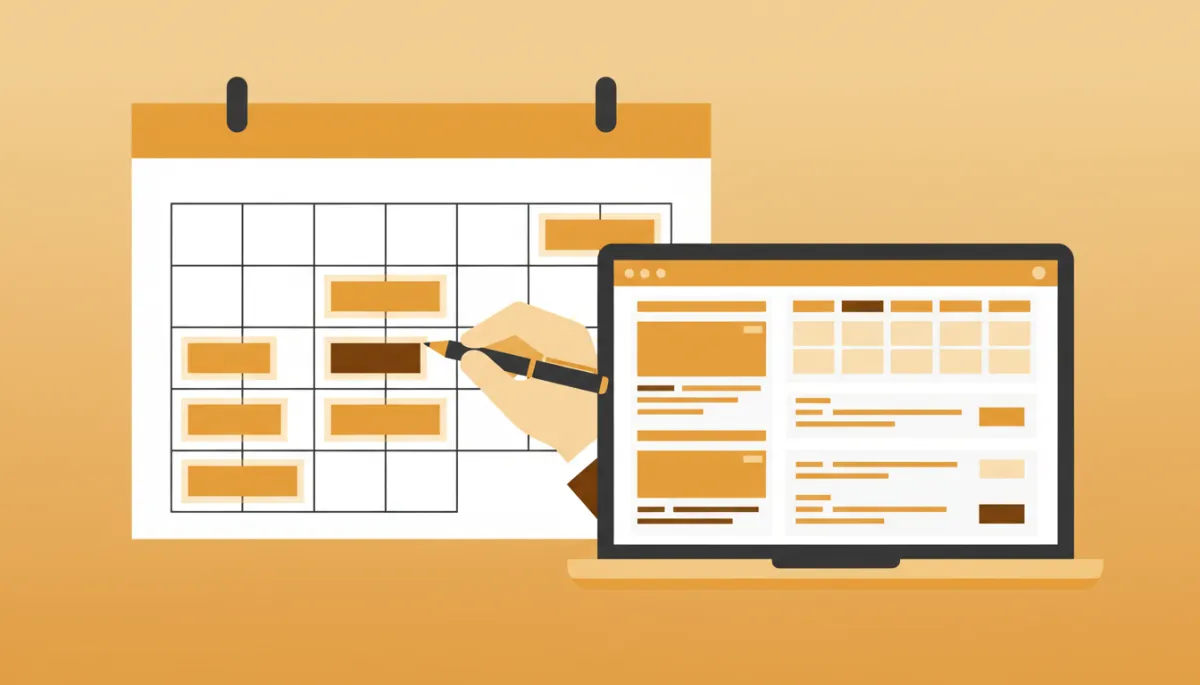
Thoughtful cadence beats constant contact — timing turns emails into leverage.
3 Plug-and-Play Client Follow-Up Email Templates for Founders
Use these as starting points. Jason’s rule: never send a generic template twice — always personalize one sentence to their world so it feels like a note, not a sequence artifact.
Template 1: Post-Delivery Check-In Email
Subject: Quick check-in on [project / onboarding]

Hi [First Name],

Now that you’ve had a few days with [deliverable / onboarding], I wanted to quickly check in.

What’s working well so far, and what feels a bit clunky on your side?

If it’s helpful, we can do a 15-minute review to make sure you’re set up to get the outcome we talked about — [specific outcome].

No pressure either way, I just don’t want this to sit in “we’ll get to it later” land.

Best,
[Your Name]
[Title], [Company]
Template 2: Value-Add Insight Email
Subject: Thought this might save your team some cycles

Hi [First Name],

I was looking at how a few of our other [industry / segment] clients are using [your product / service], and noticed one pattern that might be useful for you.

The teams that [specific behavior] are seeing [specific result] — often without adding more headcount or tools.

Given your focus on [their stated priority], this could be a quick win.
If you’d like, I can share 2–3 examples and how they implemented it in under an hour.

Either way, hope this sparks an idea or two.

Best,
[Your Name]
Template 3: Expansion / Upsell Email
Subject: One idea to build on the results you’re already seeing

Hi [First Name],

Looking at the last [time period], you’ve:
- [Result 1]
- [Result 2]

That’s exactly what we hoped for at the start. Nice work to you and the team.

There’s one area I think we’re under-utilizing: [feature / add-on / service].
Clients who turn this on typically see [specific improvement] within [timeframe].

If it’s worth a quick look, I can walk you through what this would mean for [their team / KPI] and give you a simple “yes/no” decision.

Would a brief call next week be useful, or should I just send a 3-bullet summary?

Best,
[Your Name] 
Great follow-up turns “vendor meetings” into trusted strategy sessions.
People Also Ask: Founders’ Biggest Follow-Up Questions
How often should I send a client follow up email without being annoying?
Jason recommends a simple rule — if every email clearly answers “what’s in it for them, right now,” you can follow up more often than you think. For most B2B founders, that means a structured cadence of 1–2 emails per month per active account, mixing check-ins, insights, and celebrations, with expansion conversations layered in around clear wins or renewal windows.
What should I say in a follow up email to client accounts after no response?
Avoid guilt trips or “just bumping this to the top of your inbox” lines. Instead, Jason suggests offering a clear fork in the road: a quick yes/no question, or a simple way for them to opt out. You can say, “I know your week is busy — should we park this for now, or is it still worth exploring?” Respecting their time is part of the relationship-first mindset that keeps doors open later.
How do I write a client follow up that doesn’t feel salesy?
Lead with context and value, not features. Reference their goals, share a specific observation, and offer a concrete next step they can accept or decline without friction. When you frame your email around their outcomes — not your quota — the tone naturally shifts from salesy to helpful. This is exactly how Jason structures sequences in his P6 Sales Follow-Up playbooks.
Is email still the best channel for client follow up in 2026?
Email remains the backbone for most professional communication — it’s searchable, shareable, and asynchronous. Jason encourages layering in Slack, WhatsApp, or in-app messages, but keeping email as the canonical record for key decisions and recaps. Think in “multi-channel, one story” terms: email carries the narrative, while other channels handle quick nudges and clarifications.
How can I systemize client follow up without sounding like automation?
Systemize triggers, not scripts. Jason helps founders set up simple CRM tasks based on events — delivery, 30 days of usage, NPS scores — then write short, human emails from their own voice. You can use tools like HubSpot or Attio, but the copy should sound like you sat down and wrote it today. A one-line personal reference (“Saw your LinkedIn post about…”) is often enough to break the automation feel.
What metrics should I track to know if my client follow up is working?
Beyond open and reply rates, Jason looks at renewal rate, expansion revenue, and time-to-churn for accounts that receive structured follow-up versus those that don’t. Over time, you should see higher net revenue retention and more inbound referrals from accounts where you consistently send thoughtful follow-up. That’s the compounding effect of a relationship-first system.
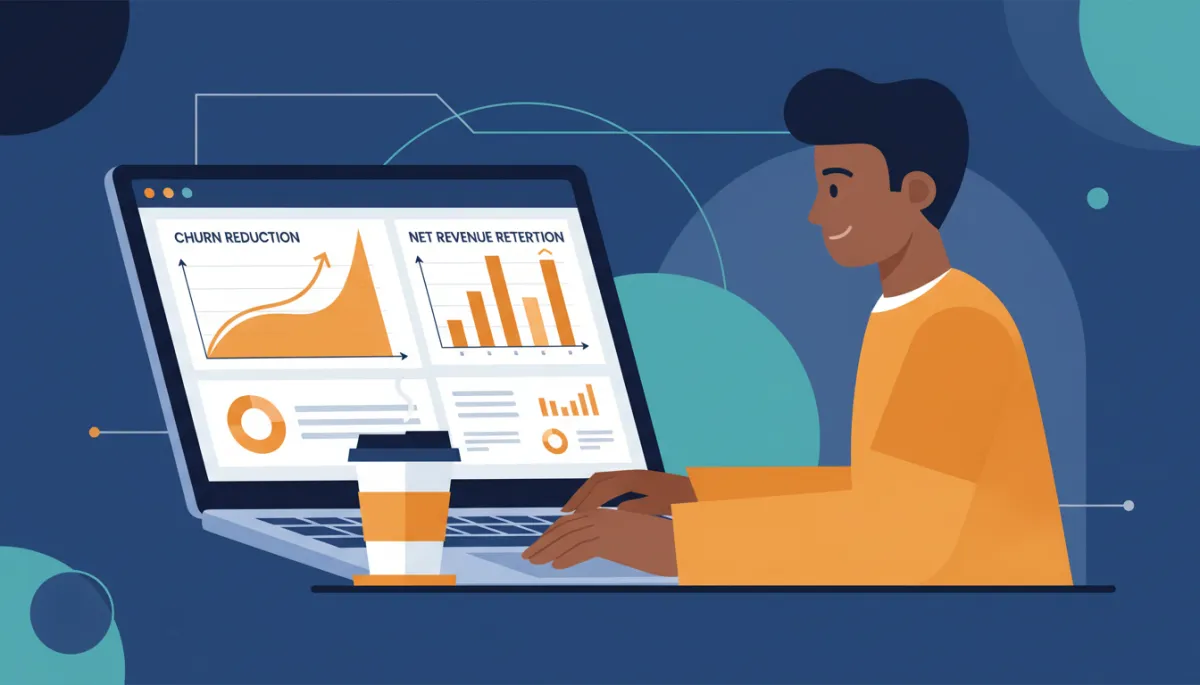
Measured follow-up turns vague “touching base” into a predictable growth lever.
Tier 1: The Founders Who Turn Follow-Up Into a Moat
Jason calls his highest-performing founders “Tier 1” — not because of their revenue, but because of how they treat relationships. People like Tan, Teo, and Leon don’t outsource follow-up to chance. They use simple systems, short emails, and a clear philosophy: every message is either building trust or burning it. Over time, that discipline compounds into lower churn, warmer referrals, and a pipeline that feels more like a community than a spreadsheet.
Native Ad: Install a Follow-Up System That Runs Daily for $0.63/Day
If you want Jason’s full P6 Sales Follow-Up system — including scripts, timelines, and CRM triggers — he’s packaged it inside FOS at dreamaker.club/buyfos for about $0.63/day. It’s designed for busy founders who don’t want another theory deck — just clear, copy-paste building blocks that turn follow-up into a predictable, compounding asset across every client you serve.
Native Ad: Learn From Billionaire Brian Chesky’s Relationship-First Playbook
Billionaire Brian Chesky proved that personally following up with early customers can shape a category-defining company. Jason translates that philosophy into a modern, scalable system for founders at AuthorJason.com — combining the P.I.T.C.H. Formula, P6 Sales Follow-Up, and practical templates you can ship this week. Start small: pick three clients, send one post-delivery check-in, one value-add insight, and one celebration email. Then measure what happens. The relationship moat you build may be the most defensible asset in your entire business.
For further reading on client experience and retention, explore practical insights from Harvard Business Review on customer experience and this overview of growth-focused sales strategies from McKinsey — then bring those ideas back into a simple, human client follow up rhythm you can actually maintain.


