
How to Follow Up in Sales Without Being Annoying: The Strategy Guide and Startup Survival Book for Founders Who Lose Deals in the Silence After the Pitch
Sales follow-up, how to follow up in sales, sales follow-up strategy for founders
How to Follow Up in Sales Without Being Annoying: A Strategy Guide and Survival Book for Founders Who Lose Deals in Silence After the Pitch
A practical and gentle guide for founders who hate chasing prospects, built on simple follow-up habits, the P.I.T.C.H Formula, and real stories of persistence from Jason and world-class builders.

Why Founders Stop Following Up — and Hand the Deal to Someone Else
Jason has watched hundreds of founders walk out of strong pitches and then freeze. The call went well. The deck landed. Heads nodded in agreement. Then nothing. A quiet inbox. An empty calendar. A heart dropping like a phone on 1% battery with no charger in sight.
Most founders don’t lose deals because the product is bad. They lose them because shyness, fear, and confusion take over in the days after the pitch. They don’t know how to follow up in sales without feeling needy or annoying, so they stop. A less shy competitor quietly gets the signature instead.

Deals rarely die in the pitch; they fade away in the days without follow-up.
Jason understands this freeze. He has hit rock bottom three times. Each time he had to rebuild his confidence, his pipeline, and his bank account. That’s why he runs his work from Singapore for founders who feel behind, tired, or “too late.” He knows the shame of watching another month go by with “almost closed” deals and no cash in the bank.
Studies back this up. Salesforce reports that a large share of sales reps miss quota, and on many teams deals simply stall because no one follows up enough or with enough structure. Jason built The Future of Selling System to close exactly this gap for founders, not just for professional sales reps.
The Follow-Up Mistake That Turns Warm Prospects Ice Cold
In 2026, buyers are bombarded with messages. McKinsey and others show that attention is short and inboxes are full. The biggest mistake founders make is adding more noise instead of more care. They send messages like “Just following up” and “Any thoughts?” that add no value and ask the prospect to do all the thinking work.
Modern follow-up needs context. Research from companies like HubSpot and Forbes shows that short, on-point messages that bring a fresh insight or a clear next step perform far better than vague reminders. Jason teaches founders to treat every follow-up like a small gift, not another knock on the door asking for sugar again.
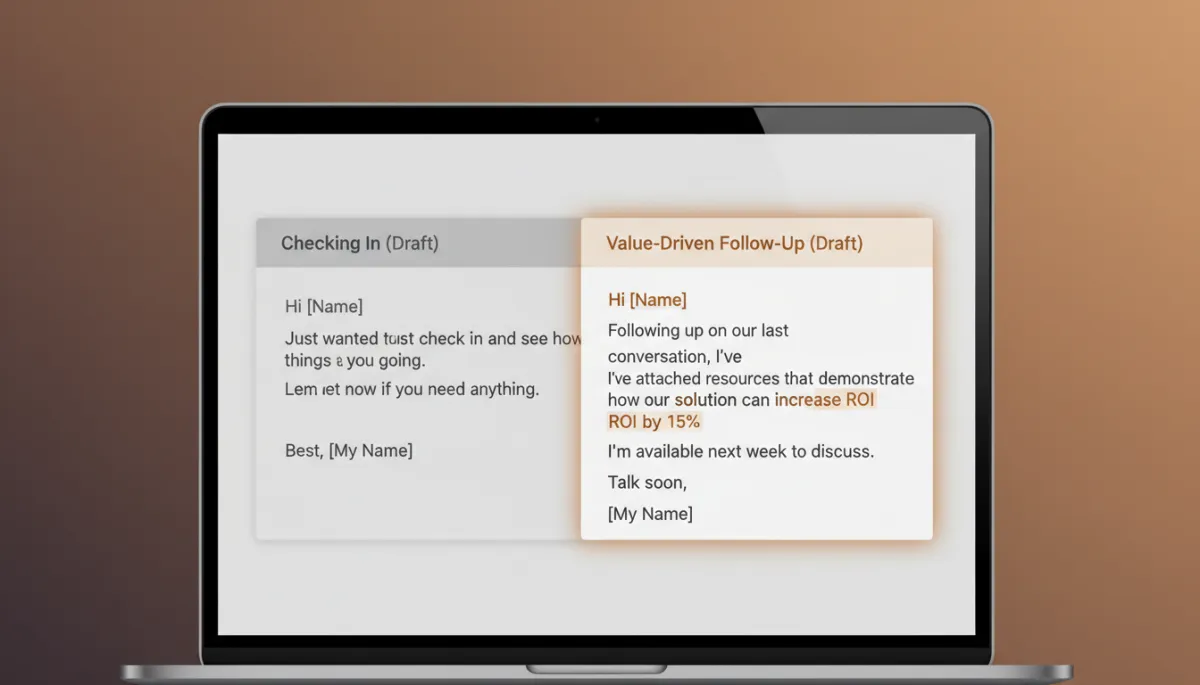
Generic “just checking in” emails slow deals down; value-based follow-ups gently move them forward.
Data from sales follow-up studies shows that most replies come from later touches, not the first one. For example, Belkins reports that the third step in an email sequence often outperforms the first two combined. The lesson is simple and kind: if a founder stops early, they’re walking away just before the most likely moment for a reply to appear.
How Howard Schultz Followed Up 242 Times and Built a Global Empire
Howard Schultz didn’t turn Starbucks into a global brand because everyone loved his idea. He pitched it to 242 investors. Two hundred and seventeen said no. He kept following up. He kept refining the story. He stayed in the game long enough for the right people to say yes. That’s follow-up as a life strategy, not just a sales trick.

Howard Schultz stayed in conversation with 242 investors until the right “yes” arrived.
Jason shares this story often with founders in Singapore and beyond who feel exhausted after three unanswered emails. If Schultz had stopped after ten rejections, the world wouldn’t know the Starbucks we know today. Follow-up, when done gently, gives your dream more chances to be seen. It’s like watering a plant that hasn’t bloomed yet. The soil isn’t rejecting you. It’s just not ready yet.
Richard Branson is known for personally replying to messages and following up with early airline partners and Virgin Atlantic customers. Oprah Winfrey kept pushing for her own TV show even after being told it wouldn’t work. These aren’t stories of one magic pitch. They’re stories of gentle, consistent returns to the conversation.
The P.I.T.C.H Formula: Jason’s System for Following Up Without Feeling Pushy
Jason’s Future of Selling System wraps follow-up into a simple rhythm called the P.I.T.C.H Formula. It stands for: Prepare, Intent, Teach, Close, Habits. This guide focuses on using that formula to take the emotional weight out of follow-up, not on detailing every step in full.
Prepare means Jason helps founders plan the follow-up before the pitch even starts. Intent means being clear about why you’re reaching out again. Teach reminds founders to bring something useful in every message. Close and Habits turn this into a repeatable, forgiving system instead of a single burst of effort that burns them out by March every year.

A simple follow-up formula turns random chasing into calm, repeatable sales habits.
The 5-Touch Follow-Up Sequence That Reopens “Dead” Deals
Here’s a simple five-touch sequence as a sales follow-up cadence that Jason teaches inside the Future of Selling System. It respects the buyer. It respects your energy. It’s designed for founders who are allergic to pressure but still want to win. Think of it like checking on a friend’s house while they’re traveling. You don’t knock every hour. You just gently make sure the lights still work.
- Touch 1 — Add value the same day
- Touch 2 — Follow up after 48 hours
- Touch 3 — Drop social proof after one week
- Touch 4 — Soft close after two weeks
- Touch 5 — The “breakup” email that often gets a reply
Touch 1 — Add Value the Same Day
Within a few hours of the pitch, Jason suggests sending a short email. One paragraph. One attachment or link. Something that helps them even if they never buy. A checklist. A short Loom video. A link to an HBR or McKinsey article that directly connects to their problem. This is how to follow up in sales so it immediately feels less “salesy”: start with helping, not hunger.
Touch 2 — Follow Up After 48 Hours
Two days later, send a gentle note. Acknowledge how busy their week is. Restate the outcome they said they wanted. Ask a simple question like: “Is this still a priority for Q4?” That kind of question is easier to answer than “What do you think?” and keeps the door open without pressure. Research from sales platforms shows that this second or third touch is where many replies finally appear.
Touch 3 — Drop Social Proof After One Week
Around day seven, Jason recommends sharing a short story. One paragraph about a similar founder who solved the same problem. Mention the outcome, not the magic. This is often where reviving dead deals begins. The prospect sees themselves in the story and thinks, “Oh, this might work for us too.”
Touch 4 — Soft Close After Two Weeks
At the two-week mark, Jason teaches founders to offer a simple fork in the road: “Would you like to move forward, park this for later, or is it not a fit?” This gives them three safe answers. Yes, later, or no. All are wins because they bring clarity. It’s also a good moment to share a link about how to close a sale if the buyer needs help selling internally.
Touch 5 — The “Breakup” Email That Often Gets a Reply
If there’s still silence after four touches, the fifth is a gentle goodbye. Jason’s version sounds like this: “I don’t want to keep chasing you. If this is no longer a priority, I’ll close the loop on my side. If you need help later, I’m here.” Research shows that well-written breakup emails can trigger surprisingly high reply rates because they remove pressure and give the buyer one last easy chance to respond.
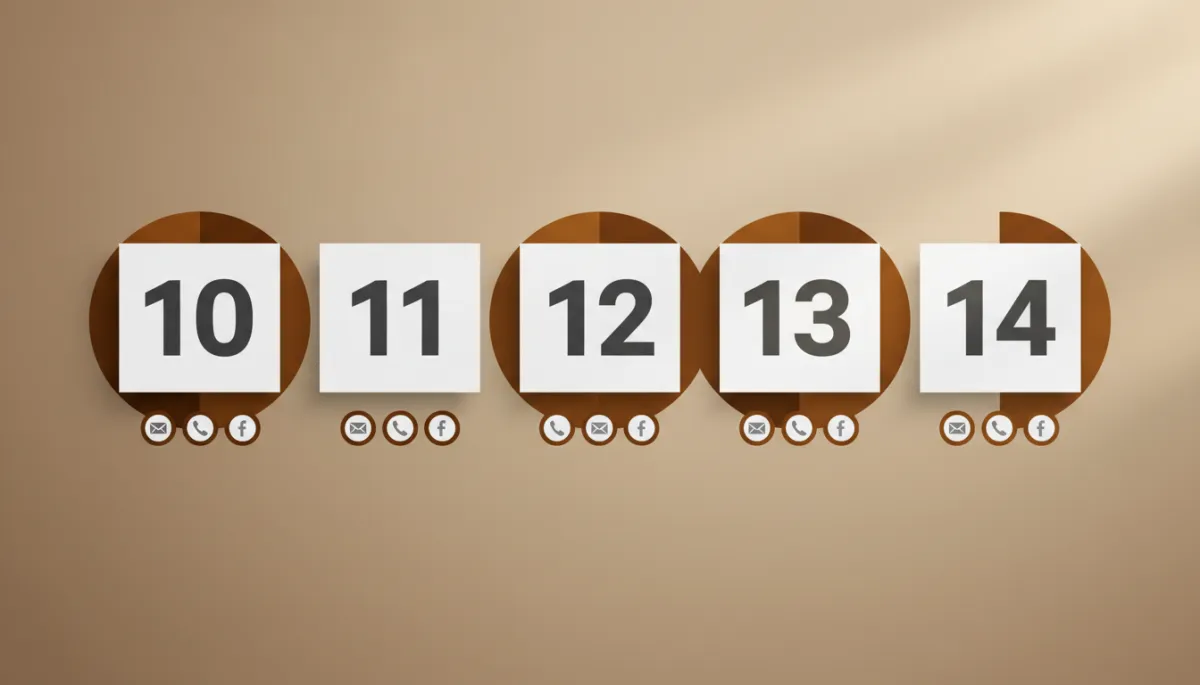
A five-touch sequence over two weeks balances persistence with respect for the buyer.
Real Founders, Real Recoveries — What Changes When a Follow-Up System Works
Inside Jason’s world at AuthorJason.com and in his sessions in Singapore, founders report the same shift. They move from “I’m bad at sales” to “I have a follow-up routine.” A fictional example Jason often uses is Maya, a fintech founder with a long list of investors and customers who “almost signed” and then got stuck in limbo. She felt like a ghost haunting her CRM.

When founders like Maya adopt a system, follow-up becomes calm, almost boring — and deals close.
After adopting Jason’s five-touch sales follow-up strategy for founders, Maya reopened ten “dead” deals in one quarter. Not everyone said yes. But some did, and more importantly she stopped treating silence as a verdict on her worth. She started seeing it as part of the process. Graduates of the Future of Selling System, more than 1,000 founders since 2015, have together generated over $22M in sales from this kind of steady, human follow-up.
In Jason’s Level 1 cases, founders who stuck with the system saw big jumps. A founder named Tan brought in $29,693 in 16 days. Teo signed 63 clients in 100 days. Leon went from $2.5K to over $2M. These aren’t promises. They’re proof that when follow-up becomes a habit, revenue can stack up in ways that feel almost unfair compared to the old “spray and pray” approach.
Start Following Up Like a Pro Today
Learning how to follow up in sales without being annoying isn’t about changing your personality. It’s about changing your patterns. Jason’s work through the Future of Selling System shows that kind, thoughtful founders can become excellent at follow-up when they have a map, a script, and permission to be human.
A written follow-up checklist on your desk can be the quiet difference between hope and cash.
Start small. Pick five “dead” deals. Run them through the five-touch sequence. Use the P.I.T.C.H Formula as your backbone. Notice how your anxiety drops when you know what to send, when to send it, and how to close the loop gently. Let Howard Schultz, Richard Branson, and Oprah remind you that the world often says “no” before it says “yes,” and that follow-up is what keeps you in the room long enough to hear that “yes.”
🗂️ Deep Dive — Sales Follow-Up Playbooks
- Warren Buffett — How to Follow Up After No Response
- Steve Jobs — The Follow-Up Email That Gets Replies
- Richard Branson — How to Follow Up Without Being Annoying
- Mark Cuban — How Many Follow-Ups Before You Give Up
- Elon Musk — The Follow-Up Call Script for Founders
- Bill Gates — The Sales Follow-Up Sequence That Works
- Jeff Bezos — When to Stop Following Up on a Sale
- Sara Blakely — How to Follow Up After a Sales Meeting
If you want Jason to walk beside you, The Future of Selling System is waiting. It’s built for founders who feel behind, who have fallen more than once, and who want simple daily habits more than hype. For $19/month, about $0.63 a day, you can join the same system that has helped more than 1,000 founders since 2015. Your next “yes” might already be sitting in your inbox. All it needs is one more brave, gentle follow-up.


