Effective Follow Up Strategies for Startup Founders: What to Do After the First No
Sales Follow-Up, Startup Founders, Effective Follow Up Strategies
Effective Follow Up Strategies for Startup Founders: What to Do After the First No, Inspired by Billionaire Frank Slootman
The first “no” you hear as a founder is rarely the real answer. Investors, customers, and partners are busy, distracted, and risk‑averse — which means your success often comes down to how you follow up after that initial rejection. Jason, the creator of the P6 Sales Follow-Up system and AuthorJason.com, has helped more than 1,000 founders generate over $22M in sales by treating follow-up as a disciplined, learnable skill — not a desperate last resort.

Why “No” Usually Means “Not Yet” for Startup Founders
In early‑stage sales and fundraising, “no” is often shorthand for “not yet,” “not now,” or “not clear enough.” Prospects are juggling competing priorities, internal politics, and incomplete information. They are not waking up hoping to say yes to your product — they are trying to avoid making a bad decision. That’s why effective follow up strategies are so powerful: they give you multiple chances to clarify value, reduce perceived risk, and catch the buyer at a better moment.
Slootman is known for building companies that out‑execute rivals through relentless, structured follow-up. His teams assume that an initial “no” is simply a signal that more proof, more timing, or more clarity is needed. Jason teaches founders a similar mindset inside his P6 Sales Follow-Up framework — the deal usually goes to the founder who follows up last, not the one who pitched best on day one.
The P.I.T.C.H. Formula: A Simple Lens for Every Follow-Up
Jason often coaches founders to run every follow-up through a simple P.I.T.C.H. lens:
- P — Purpose: Why are you reaching out again, specifically?
- I — Insight: What new perspective or learning are you adding?
- T — Timing: Why now — what has changed for them or for you?
- C — Clarity: Is your ask simple, concrete, and easy to say yes to?
- H — Humanity: Does your message sound like a human, not a sequence robot?
When founders apply this formula consistently, their follow up strategies become more thoughtful, more respectful, and far more effective. It is also how Jason rebuilt his own follow-up system three times before distilling it into P6 — and why he can now teach it at scale through FOS (Follow-Up Operating System) at just $0.63/day via dreamaker.club/buyfos.
The 5 Most Effective Follow-Up Strategies After the First No
Not all follow-ups are created equal. Jason’s work with Tier 1 founders — including final‑stage closers like Tan, Teo, and Leon — shows that the most reliable wins come from five specific playbooks. These sales follow up tips are simple, but when executed consistently, they compound.
1. Value‑Add Follow-Up
Instead of asking, “Have you had a chance to review this?” send something that makes their life easier. This could be a short loom video walking through their specific use case, a one‑page ROI model, or a refined proposal that reflects feedback from your first conversation. The message is clear — you listened, you did the work, and you are still investing in their success even after a soft rejection.
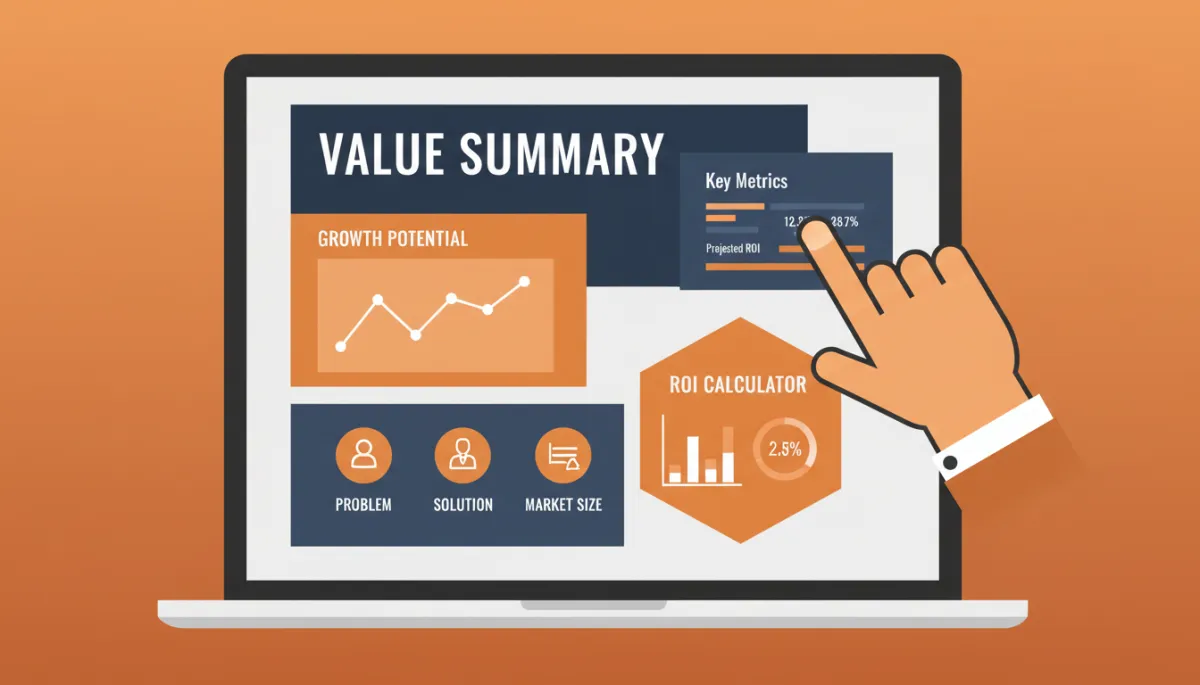
Value-first follow-up reframes you from pushy seller to proactive partner.
2. Social Proof Drip
Buyers feel safer when they see people like them winning with your product. Use a light, periodic “social proof drip” — short updates about new customers, relevant case studies, or quick screenshots of results. Jason’s Tier 1 founders often send a two‑sentence note: “Thought you’d like this — another Series B fintech just cut onboarding time by 38% using our workflow.” No ask, just proof. Over time, this erodes doubt and normalizes saying yes.
3. Check‑In with a Clear Trigger
The weakest follow up strategies rely on vague “just checking in” emails. Strong founders anchor their outreach to specific triggers — a product release, a shift in the prospect’s market, or a milestone on the prospect’s roadmap. For example, “You mentioned Q4 is when you revisit tooling — would it be helpful to compare your current workflow with what we’ve shipped since March?” The trigger gives your message relevance, and it shows you remembered the details.
4. Re‑Engage with a New Offer
Sometimes the original offer simply was not the right fit. Re‑engagement works best when you change the shape of the deal — a pilot instead of a full rollout, a limited scope experiment, or a co‑marketing test instead of a large contract. You are not begging for reconsideration; you are presenting a lower‑risk, higher‑clarity path to learning. Jason has seen founders unlock six‑figure deals by reframing a “no” into a 30‑day paid pilot with clear success criteria.
5. The Final Breakup Message
Every pipeline needs closure. A respectful breakup email does two things — it releases your mental bandwidth, and it often triggers a surprising number of replies. A simple version: “I don’t want to be a nuisance, so I’ll close this loop on my side. If priorities change and reducing churn is back on your radar, I’m happy to revisit.” Many founders report that this message surfaces hidden interest because it removes pressure and signals confidence.
Recommended Follow-Up Cadence by Deal Size
One of the most common founder questions is how often to follow up. Too little, and deals silently die. Too much, and you risk damaging the relationship. Jason’s P6 Sales Follow-Up playbook offers a simple rule of thumb based on deal size — adjust it to your market, but use it as a starting point.
| Deal Size | Typical Cadence | Duration |
|---|---|---|
| < $5K (SMB, pilots) | Every 2–4 days initially, then weekly | 3–4 weeks after first no |
| $5K–$50K (mid‑market) | Weekly touchpoints, plus trigger‑based outreach | 6–10 weeks after first no |
| $50K+ (enterprise, strategic) | Every 2–3 weeks with high‑value assets and executive touch | 3–9 months, aligned to their planning cycles |
Bigger deals need more patience and more context. Think of your follow-up as a light, consistent presence — not a daily barrage. For deeper detail on cadence, Jason shares specific sequences in his playbook at AuthorJason.com.

Align cadence with deal size so persistence feels intentional, not random.
How to Follow Up Without Being Annoying
Founders fear being “that person” — the one whose name in the inbox triggers an eye‑roll. The good news is that respectful, value‑based follow up strategies rarely feel annoying. Annoyance usually comes from three things: no new value, no clear purpose, or no respect for boundaries. If you avoid those, you are already ahead of most sellers in your space.
- Always add something: a new insight, a refined proposal, a relevant case study, or a concise summary of decisions so far.
- Be clear and short: two to five sentences beats a wall of text. Respect their time by doing the thinking for them.
- Offer an easy out: “If this is no longer a priority, I’m happy to close the loop on my side.”
The Psychology Behind Persistent, Effective Follow Up Strategies
Persistent follow-up works because it aligns with how humans actually make decisions. Most prospects are not waiting for the perfect pitch — they are waiting for enough safety, clarity, and urgency to move. Your job as a founder is to help them cross that internal threshold without pressure or manipulation.
- Familiarity bias: People trust what they see repeatedly. Thoughtful follow-up keeps you familiar, which feels safer than a one‑off pitch they barely remember.
- Loss aversion: Buyers hate losing more than they like winning. When your follow-up highlights the cost of inaction, not just the upside of action, decisions accelerate.
- Consistency principle: Once someone expresses interest, they feel a subtle pull to stay consistent with that earlier signal. Respectful follow-up gives them chances to realign their actions with their initial curiosity.
The best follow-up systems blend structured process with a deep grasp of human behavior.
People Also Ask: Founders’ Top Sales Follow-Up Questions
How many times should a founder follow up before stopping?
For smaller deals, Jason typically recommends four to six touches after the first no. For larger or strategic deals, eight to twelve over several months is reasonable — especially when each touch adds meaningful value. What matters most is that each follow-up has a clear purpose and does not simply repeat the last message.
What should I say in a follow-up email after no response?
Reference their context, add one piece of value, and make a simple ask. For example: “You mentioned onboarding is a headache — here’s a 2‑minute walkthrough of how we cut onboarding time by 30% for a similar team. Would a quick comparison call next week be useful?” This structure respects their time and reminds them why they were interested in the first place.
Is it better to follow up by email, phone, or LinkedIn?
Use the channel they already respond to, then layer others as needed. Email is the default, but a short LinkedIn note or a quick call can cut through noise when done respectfully. Jason encourages founders to test a multi‑channel approach for high‑value accounts — especially when an executive champion is involved.
How do I follow up after a clear “not now” from an investor?
Treat it as an invitation to build a relationship, not to push the same round again. Send quarterly updates, highlight milestones that directly address their earlier concerns, and occasionally invite them to specific moments — a major launch, a key hire, or a new market entry. Many investors convert on the second or third fundraise because the founder kept them in the loop without pressure.
How can I keep track of all these follow-ups as a busy founder?
You need a simple operating system, not just good intentions. Jason built FOS (Follow-Up Operating System) for exactly this reason — to help founders run structured, P6‑driven follow-up for as little as $0.63/day. Whether you use FOS, a CRM, or a spreadsheet, the key is to schedule next actions immediately after every interaction so nothing relies on memory.
Where can I learn more advanced sales follow up tips for founders?
For deeper playbooks, Jason shares founder‑specific follow-up strategies in his article “The Founder’s Sales Follow-Up Strategy Playbook” at AuthorJason.com, and his systems thinking approach to selling in “What Is the Future of Selling?” at AuthorJason.com. You can also study how leaders like Slootman operationalize follow-up by reading profiles on sites like Forbes or exploring SaaS sales benchmarks on SaaStr.
Structured systems like FOS turn follow-up from guesswork into a repeatable founder advantage.
Turn “Not Yet” into Revenue with a Founder‑Grade Follow-Up System
The founders who win are rarely the ones who hear “yes” on the first call. They are the ones who, like the best operators under Slootman, build a culture of disciplined, respectful, relentless follow-up. Jason has rebuilt his own system three times to get it right — and now teaches it through P6 Sales Follow-Up and FOS so you do not have to learn everything the hard way.


