
How Billionaire Elon Musk Got Tesla’s First Customers Before the Car Even Existed
P8 Startups, Startup Sales Strategy, how to get first customers for a startup
How Billionaire Elon Musk Got Tesla’s First Customers Before the Car Existed — A Founder’s Guide to Getting Your First 10 Customers
Elon Musk sold Tesla cars before the car physically existed. This is the practical, flexible plan Jason gives to founder-led startups who are driving sales and want their first 10 customers without burning out their team or discounting what they offer.

Why Your First 10 Customers Are the Hardest — and Most Valuable — Sales You’ll Ever Make
Jason sees the same pattern in almost every founder-led startup he works with. A team of five or ten people. The product is real. There are a few pilots. Plenty of interest. But the first 10 paying customers still feel like a locked door that never fully opens. It’s frustrating, but it’s not failure — and that distinction matters. You’re not lost. You’re just in the hardest sales stage you will ever go through.
First Round Capital found that the typical founder talks to between 20 and 50 potential customers before landing the first paying one. That’s a lot of calls, demos, and follow-ups for a single “yes.” Andreessen Horowitz notes that the first 10 customers often cost 4× more to acquire than customers 11–100. The data is clear: the game is heavy at the start, even when you’re doing many things right.
Jason talks about this stage like learning to push a parked car. At first, the car doesn’t move. Then it shudders. Then, slowly, it starts to roll. You and your team are throwing your full weight behind something that feels stuck. But once it moves, momentum starts to help you. Those first 10 customers are that initial movement. They turn “we think this works” into “we know this works, because people pay for it.”
The good news for a BANKCODE A–style founder is this: there’s a clear win on the other side. Startups that land even a single paying customer before raising, according to Crunchbase, raise at valuations roughly 40% higher than those with no revenue. Your first 10 customers aren’t just cash flow. They’re leverage with investors, partners, and talent. They’re proof your story is no longer just a story.
As Jason teaches at AuthorJason.com, winning your early customers turns guesses into live feedback, and your first 10 customers reveal product–market fit more than any research report — the startup that finds its first 10 customers manually learns things no marketing funnel can ever tell it.
How Elon Musk Took Deposits for a Car That Didn’t Exist Yet — and What That Teaches Every Startup Founder
When Elon Musk launched Tesla, he faced a sales situation most founders would call impossible. He was asking people to commit around $100,000 to a Roadster that wasn’t yet in production. The technology was unproven at scale. The auto industry had every reason to doubt him. There were no case studies. No safety record. No reliable track record in car manufacturing. Just a vision and a prototype with a long road ahead.
Musk’s solution was simple and brutally honest. He sold the outcome, not the product. Early buyers weren’t framed as customers, but as pioneers — people who would help change the direction of the global auto industry. The reservation required real money down. There were no desperate discounts. No promises he couldn’t keep. Just a clear, steady conviction about what Tesla would become and what owning one of the first Roadsters would mean.
In 2006, Tesla opened reservations for the original Roadster with deposits reported to start around $100,000 for the first Signature series. Those early backers put money down years before wide delivery, often after seeing a single prototype and a vision talk. That capital helped fund engineering, tooling, and production — a live example of how pre-selling can finance product completion.
In August 2006, Tesla hosted the first public Roadster reveal in Santa Monica. Attendees watched the prototype roll silently onto the stage, then listened as Musk painted a future where electric cars were aspirational, not a compromise. The event was deliberately intimate: a few hundred investors, influencers, and early adopters able to write six‑figure checks. Many placed their deposits that night, not because the car was finished, but because they felt part of a historical turning point.
Years later, in March 2016, Tesla repeated the pattern with the Model 3 launch in Hawthorne, California. Lines formed outside showrooms before doors opened, as people put down refundable $1,000 deposits after seeing designs, photos, and a short test ride. Within 24 hours, Tesla announced 180,000 reservations; within a week, over 325,000. The company turned a single launch night into what Musk called “the biggest one‑week product launch of any kind ever,” generating billions in expected revenue and hundreds of millions in working capital.
Musk also used transparent — sometimes uncomfortable — communication as a sales tool. In 2017–2018, when Model 3 “production hell” threatened timelines, he publicly acknowledged delays while reaffirming the long‑term vision. That honesty kept many early buyers committed instead of canceling. For founders, the lesson is clear: you don’t need perfection to keep your first customers; you need to tell the truth consistently about where you are now and where you’re going.
Later, during the 2016 Model 3 launch, Tesla collected over 325,000 reservations in the first week, each backed by a refundable $1,000 deposit. The car wasn’t shipping yet, but the company had effectively raised hundreds of millions of dollars in working capital while proving global demand at scale. The pattern was the same: sell a future outcome, then build toward it in public.
For founder‑led sales today, the deeper lesson isn’t “be like Musk.” It’s to answer one question clearly enough that the right person is willing to move first: “What will this do for me — and why should I trust you to deliver it?” Your first 10 customers are buying your certainty about a future state, just like Tesla’s early buyers did. They’re not buying the perfect product. They’re buying the direction you’re committed to building.
As Jason teaches at AuthorJason.com, learning how to get your first customers as a startup means inviting a handful of brave early adopters into the build stage, then using their commitments to shape and de‑risk what you build — the startup that finds its first 10 customers manually learns things no marketing funnel can ever tell it.

85% of founders’ first customers come from personal networks; early buyers are betting on the founder’s certainty.
The First‑Customer Framework Jason Teaches Every New Startup Founder
Jason built the Future of Selling (FOS) system because he watched too many capable founders burn out trying to “wing it” in sales. They were smart. They were leading teams of five or more. They had a paid deal here and there. But their calendar looked like chaos. Every sales call was different. Every follow‑up was a guess. Wins felt random, not repeatable. That chaos is exhausting when you’re also responsible for product, hiring, and cash flow.
The framework he teaches is simple enough to remember on a brutal day, but structured enough to train the team later. It starts with a clear promise: one sentence that explains what your product will do for this specific buyer. HubSpot research shows that founders who can articulate their value proposition in a single clear sentence close their first customer 3× faster than those who can’t. Jason sees this every week. When the promise is sharp, the conversation calms down. The buyer knows what they’re listening for. And the founder stops over‑talking to prove themselves.
As Jason teaches at AuthorJason.com, getting your first customers is less about charisma and more about one repeatable promise, one clear starter offer, and one steady path every prospect can walk — the startup that finds its first 10 customers manually learns things no marketing funnel can ever tell it.
How Do You Get Your First Customer When You Have No Track Record, No Case Studies, and No Testimonials?
Start with one sharp problem you can solve now, create a small low‑risk offer, and borrow trust from your existing relationships instead of pretending you already have a track record.
Should a Startup Discount to Get Its First Paying Customers — or Does That Hurt Long‑Term Pricing?
Jason suggests keeping your core price but offering a smaller starting scope or a pilot; this protects your long‑term pricing while giving early customers a safer way to say yes.
How Many People Do You Need to Pitch Before You Land Your First Customer — and What’s a Realistic Conversion Rate?
Expect to talk to 20–50 people for your first paying customer, then aim for a 10–20% close rate as your messaging, offer, and targeting sharpen with practice.
How Bezos and Branson Designed Their First Customer Moments
Jeff Bezos didn’t start Amazon by trying to sell everything to everyone. He chose books because they were a low‑risk, repeat purchase early internet users already wanted. He knew his early adopter: educated, comfortable online, book‑loving. He built the whole experience around them and made the first purchase nearly frictionless. That’s targeted focus in its simplest form — one narrow group, one clear product, one smooth path to “yes.” You can read more about this kind of focused strategy in Jason’s broader playbook on how to get your first customers as a founder.
In Amazon’s early days, Bezos obsessively tracked metrics like click‑to‑order time and on‑time delivery. By 1997, Amazon had reached more than 1.5 million customer accounts, driven largely by repeat book buyers who trusted the experience. The first wave of customers didn’t come from a genius ad campaign; it came from a narrow promise delivered over and over: the book you want, at a good price, delivered when we say it will arrive.
In 1995, when Amazon quietly launched from Bezos’s garage in Bellevue, Washington, the “store” was a simple website listing books and sending manual order confirmation emails. Early customers often discovered Amazon through word of mouth in online forums and mailing lists. Bezos personally replied to customer emails in the early days, using complaints as product requirements. That feedback‑driven path turned strangers into repeat buyers long before Amazon became a household name.
By 1999, Amazon had rolled out features like one‑click ordering and personalized recommendations. Those early customer‑facing innovations weren’t marketing tricks; they were deliberate friction removals. A later Harvard Business Review analysis highlighted Amazon’s early focus on convenience and trust as the engine behind its explosive customer growth — proof that small improvements to the first‑purchase experience compound into massive adoption over time.
Richard Branson took a different path with Virgin Atlantic. He didn’t wait for every piece of airline infrastructure to be perfect before selling. He pre‑sold the experience. People bought a plane ticket on a vision and a personality before the full operation existed. Branson understood that early customers aren’t just buyers. They’re believers. They join because the founder makes the outcome feel real and the risk feel manageable. For founders today, that means your first 10 customers aren’t just MRR. They’re the story you’ll tell every customer after them.
In 1984, when Branson launched Virgin Atlantic’s first route from London to Newark, the airline had just one leased Boeing 747. To persuade skeptical travelers to try an unknown carrier, he focused on a few signature touches: free ice cream, seat‑back entertainment, and a more relaxed cabin vibe with music. Those details turned a risky first flight into a story passengers wanted to repeat to friends — word‑of‑mouth marketing no ad budget can match.
Branson also leaned heavily on publicity as a customer‑acquisition tool. His high‑profile adventures — like attempts to cross the Atlantic in hot‑air balloons and speedboats — weren’t random stunts. They were deliberate brand‑building moves that made Virgin look bold and fun. When early passengers chose Virgin Atlantic, they weren’t just buying a seat; they were buying into a story of a scrappy startup challenging legacy airlines.
Branson tells the story of chartering a plane during a canceled flight, then walking through the airport with a handwritten “Virgin Airways” sign and selling seats to stranded passengers to cover the cost. That scrappy pre‑sell became the seed of Virgin Atlantic. The move was simple: find people with an urgent problem, offer them a clearly better experience, and ask for a commitment on the spot.
For founders studying how to get their first customers, these stories show two paths that work together: Bezos’s quiet, data‑driven removal of friction for a narrow buyer, and Branson’s bold pre‑selling of a better experience before the full product is built. Both started small, learned fast, and let early customers shape what came next.

Winning the first 10 customers often costs 4× more; Bezos stripped friction so early adopters could say yes faster.
CB Insights reports that around 85% of founders’ first customers come from direct personal networks or warm introductions. That means your “Amazon books” or “Virgin experience” moment is probably closer than it feels. It lives in the people who already trust you, not in strangers who just saw your ad. Jason’s work is about helping founders turn that hidden trust into a clear, structured first offer instead of a vague “Let me know if you ever need anything.”
As Jason teaches at AuthorJason.com, your early customers are rarely random; they’re the people already closest to the problem who trust you enough to bet on you before the market does — the startup that finds its first 10 customers manually learns things no marketing funnel can ever tell it.
What’s the Best Way to Use Your Personal Network to Land Your First 10 Customers Without Feeling Pushy?
Reach out with curiosity, not pressure — ask about their current challenges, share a specific problem you can solve, and invite them into a low‑risk pilot instead of a hard close.
How Do You Turn Your First Paying Customer into a Referral Engine That Fuels the Next Ten?
Deliver one clear win fast, ask for feedback, then invite them to introduce you to two peers facing the same problem while their success is still fresh.
How Do Startup Founders Get Their First Customers Without a Brand or Reputation?
They borrow trust from existing relationships, solve one painful problem manually, and ask a small circle of known contacts to try a paid pilot instead of chasing strangers online.
Should Startup Founders Focus on Product or Sales First?
Founders should talk to potential customers first, then build only what those early conversations prove people will pay for — sales conversations are the research that guides the product.
What’s the Fastest Way to Get 10 Paying Customers as a New Startup?
Make a list of 20–50 people who already know you, offer a focused paid pilot, and ask for one referral from every early win until you reach 10 customers.
What Jason’s Founders Discover When the First Customer Becomes the Tenth
Jason often tells the story of Maya, a composite but very real‑feeling founder based on the people he coaches. Maya was leading a team of eight at a B2B SaaS startup. She wasn’t failing. There were pilots, some inbound interest, and just enough cash. But she was carrying the entire sales burden on her shoulders. Every month felt like starting from zero. Her team could see her frustration even when she tried to hide it in stand‑ups. She was afraid her doubt would leak into the team.
With FOS, she didn’t suddenly become a different person. Instead, she got a repeatable path. Together, they narrowed her offer, sharpened her one‑sentence promise, and built a small, low‑risk first step that still respected the value of her product. Bessemer Venture Partners data shows that founders who offer a small entry point convert first‑time customers at 2.3× the rate of those who only sell the full service. Maya saw the same pattern. Once she had a “first win” offer, conversations shifted from “maybe later” to “we could try this this quarter.”
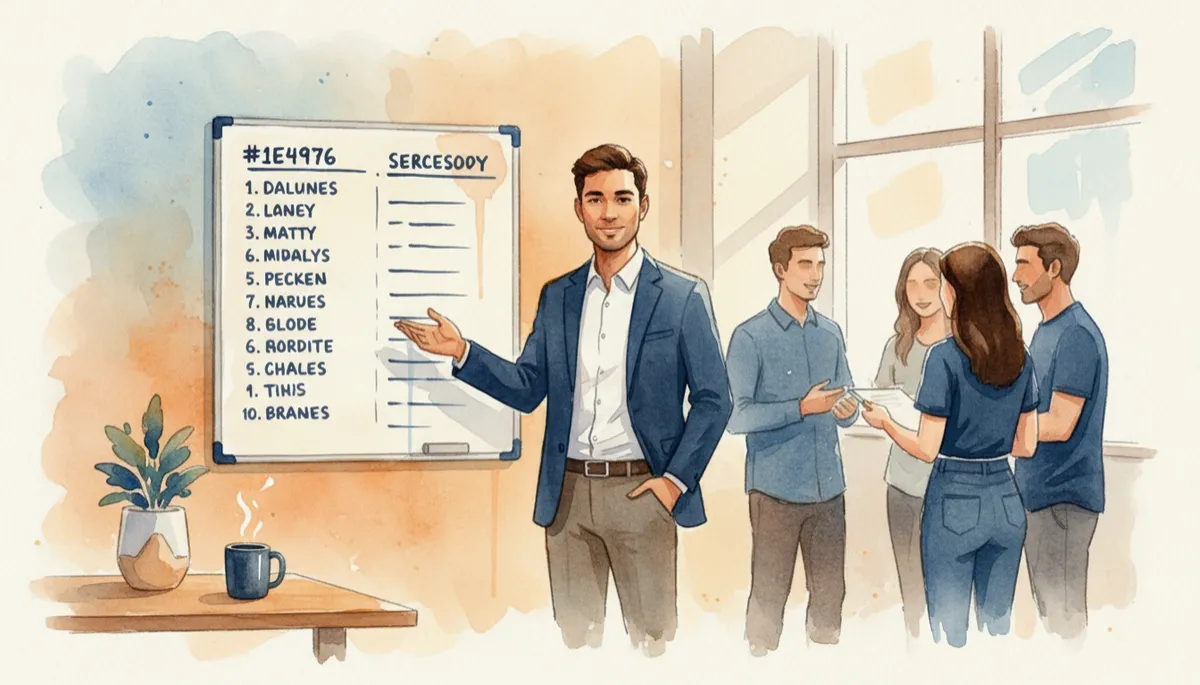
Clear value sentences help founders close their first customers 3× faster; the first 10 names on the board change everything.
By the time Maya landed customer number ten, something subtle but powerful had shifted. Her team could see a pattern they could trust. She could finally hand pieces of the sales process to others without feeling like she was throwing them into the dark. Jason has seen this pattern across more than 1,000 founders and over $22M in combined sales. Tan went from a cold start to $29,693 in 16 days. Teo landed 63 customers in 100 days. Leon grew from $2,500 to over $2M. Different products. Same turning point: the first customer became the tenth through a system, not a streak of luck.
As Jason teaches at AuthorJason.com, the real signal of product–market fit isn’t investor praise or a survey result; it’s a line of paying customers whose problems your system can solve again and again — the startup that finds its first 10 customers manually learns things no marketing funnel can ever tell it.
How the P.I.T.C.H. Model Structures the First Startup Sales Conversation
A‑pattern founders don’t want more theory. They want a clear way to win the conversation without becoming someone else. Jason created the P.I.T.C.H. model inside the Future of Selling system for exactly this reason. It gives a simple, step‑by‑step flow for that first sales conversation so you never have to guess what to say next — even on your fifth call of the day when your energy is low and your team still needs your decisions after the meeting.
In practice, founders describe P.I.T.C.H. as more of a calming framework than a word‑for‑word script. It keeps the focus on the buyer’s world, the outcome they care about, and the smallest next commitment that makes sense for them. It’s built for the no‑track‑record stage, where you can’t yet lean on logos or long case studies. If you want to see how Jason uses it inside FOS, he breaks it down in more detail here: the P.I.T.C.H. model.
For a founder on their first sales call, P.I.T.C.H. works like guardrails. Instead of opening with a nervous product monologue, you start grounded in the buyer’s current reality: what hurts, what they’ve tried, and what happens if nothing changes. That focus makes the conversation useful for them, not needy from you. When you finally describe your offer, you tie it to language they’ve already used — not buzzwords from your slide deck.
Because you don’t yet have a brand or case studies, the model leans on clarity and honesty instead of hype. You name what exists today, what’s being built, and the outcome you’re committing to at this early stage. You invite a small, specific commitment that feels safe: a diagnostic, a short trial, or a limited‑scope first project. That structure gives you confidence — and the buyer can feel it. They’re not buying a famous logo; they’re buying your calm, organized way of moving them from problem to first win.
Over time, running your early calls through P.I.T.C.H. creates data. You start to see which problems spark the strongest reactions, which phrases make people lean in, and which offers turn into deals. That learning is what turns “how to get your first customers” from a mystery into a repeatable process you can train your team on later.
Self‑check
- Do you know exactly who your first 10 customers should be — by name, not just by description?
- Have you spoken with at least 5 potential customers before building anything — or did you build first and try to sell later?
- Does every early customer you close know you’ll ask for a referral at the right moment?
For early‑stage founders still finishing their product, the P.I.T.C.H. model is especially powerful because it lets you create value inside the conversation itself. When Jason talks about the “teach” moment in the model, he means a specific kind of insight: showing the buyer something new about their problem or their numbers they hadn’t seen before. That “teaching” builds trust even when your product is rough.
Instead of hiding until everything is polished, you can walk a prospect through a simple diagnostic, a quick calculation, or a pattern Jason has seen across more than 1,000 founders since 2015. That experience proves you understand the problem deeply. The product becomes the natural next step rather than the only source of value. This is how you get your first customers before the full feature set exists: lead with a conversation that teaches, then invite a focused first‑step commitment.
Self‑check
- Have you pre‑sold your startup’s first offer before the product was fully built — or are you waiting until it’s “ready”?
- Do your first 10 customers match exactly the buyer persona you plan to scale with — or are they “easy wins”?
- Have you asked every early customer for a referral — or assumed they’d offer one on their own?
As Jason teaches at AuthorJason.com, a structured first conversation beats improvisation — especially when you’re learning how to get your first customers without case studies and with limited time — the startup that finds its first 10 customers manually learns things no marketing funnel can ever tell it.
Frequently Asked Questions About Getting Your First Customers as a Startup
What Does It Feel Like When the First Customer Says “Yes” — and Why Does Jason Say That Moment Changes Everything?
Founders describe a mix of relief, validation, and sudden responsibility — Jason says this moment changes everything because it turns a fragile idea into a living promise you now have to keep, and that emotional shift fuels the courage to ask for customers two through ten.
How Do Startup Founders Get Their Very First Customer?
They start with people who already know them, focus on one painful problem, offer a small paid pilot, and ask for a clear commitment instead of waiting for “interest” to turn into action.
Should a Startup Founder Sell Before the Full Product Is Built?
Yes — as long as you’re honest about what exists today and what’s coming. Pre‑selling a focused outcome lets real customers shape what you build instead of guessing in isolation for months.
What Do the First 10 Customers Teach You That No Market Research Ever Can?
They show you who actually pays, what they truly value, how they describe the problem in their own words, and which features matter enough to drive a buying decision.


