Lead Follow Up System for Startup Founders: Never Lose a Lead to Silence Again
Sales, Lead Follow-Up, Startup Systems
Lead Follow Up System for Startup Founders: How Billionaire Daniel Ek Made Silence Impossible
If you are honest, how many good leads has your startup quietly lost this quarter—people who raised their hand once, then disappeared into your CRM with no next step, no owner, and no outcome? This is exactly the problem a real lead follow up system solves, and it is why Jason has spent a decade, three rebuilds, and more than $22M in closed revenue refining one simple idea: never lose a lead to silence again.

Why Your Startup Needs a Real Lead Follow Up System
Billionaire Daniel Ek built Spotify’s label partnership pipeline on a documented lead follow up system—every prospective label received a 7-touch sequence with clear owners, timing, and escalation rules. No label ever went quiet by accident. That same discipline is available to you as a founder, even if your “sales team” is just you and one rep working from a spreadsheet today.
Jason has helped more than 1,000 founders move from random follow-up to predictable systems, including his P6 Sales Follow-Up framework and the FOS follow-up operating system (FOS runs at just $0.63/day at dreamaker.club/buyfos). The pattern is always the same: once follow-up becomes a system—not a mood—revenue becomes far more stable, and pipeline anxiety drops sharply. citeturn0search0
Architecting Your Lead Follow Up System: Stages, Timing, Ownership, Tracking
A modern lead follow up system is not just a sequence of emails—it is an architecture. Every lead moves through defined stages, with explicit timing, clear ownership, and reliable tracking. In 2026, the best-performing teams design their systems as agentic workflows that combine automation with human judgment. citeturn0search0
- Stages: For most startups, a simple backbone works: New Lead → First Contact → Engaged → Qualified → Proposal → Closed (Won/Lost) → Nurture. Each stage answers one question—what just happened, and what happens next?
- Timing: Speed still wins. Top teams trigger an initial touch within minutes using automation, then follow a multi-touch cadence over 14–21 days, mixing email, calls, and social touches. citeturn0search0
- Ownership: Every active lead has one human owner at all times—no exceptions. Automation helps, but it never “owns” the relationship.
- Tracking: Your CRM or system of record must show last touch, next touch, and current sequence for every lead. If you cannot see it in one view, you will leak deals.

Visible stages and next actions turn a noisy lead list into a predictable pipeline.
What are the essential stages in a lead follow up system?
Jason recommends you start with the minimum viable journey: Capture, Connect, Converse, Commit, and Continue. That maps cleanly onto your CRM stages and keeps your team focused on the next conversation, not just the next task. His P6 Sales Follow-Up playbook at AuthorJason.com breaks this down with examples and scripts tailored for founders.
The 5 CRM Rules That Prevent Silent Lead Losses
Most “lost” leads are not bad leads—they are victims of weak CRM hygiene. In 2026, high-performing teams follow a small set of non-negotiable rules that make silence almost impossible. citeturn0search0
- Every lead has an owner. No unassigned records. If marketing creates it, sales must claim it—or an automated rule assigns it—within a set time window.
- Every lead has a next action. No open lead is allowed to sit without a scheduled next step—email, call, meeting, or nurture sequence.
- All activity lives in the record. Emails, calls, notes, and meeting outcomes are logged, so context is never trapped in someone’s inbox or memory. citeturn0search1
- Sequences have intelligent stop rules. Replies, meeting bookings, disqualification, or opt-outs automatically stop automation while keeping the human owner in control. citeturn0search0
- Reasons are always recorded. Closed–Lost and Disqualified leads get a reason code, which feeds future targeting, messaging, and product decisions.
How often should founders review their lead follow up system?
Jason encourages founders to run a 30-minute “silent losses” review every two weeks. Filter your CRM for leads with no activity in the last 14 days and no next action. That list is your leak report. Fixing even a handful of those gaps can unlock meaningful revenue with zero extra ad spend. citeturn0search0
Assigning Follow-Up Owners as Your Team Grows
In the earliest days, the founder owns almost every serious lead. As headcount grows, chaos creeps in—SDRs, AEs, partners, and even founders all touching the same accounts. Without clear rules, leads bounce between people and quietly die. Ownership design is where Jason sees most follow up systems fail first.
- Stage-based ownership: SDRs own New → Qualified; AEs own Proposal → Closed; Customer success owns Nurture and expansion.
- Territory or segment rules: Ownership by geography, industry, or company size keeps routing simple and fair.
- Escalation paths: If a high-intent lead sits untouched for more than your SLA, it escalates automatically—just like Ek’s label pipeline did.
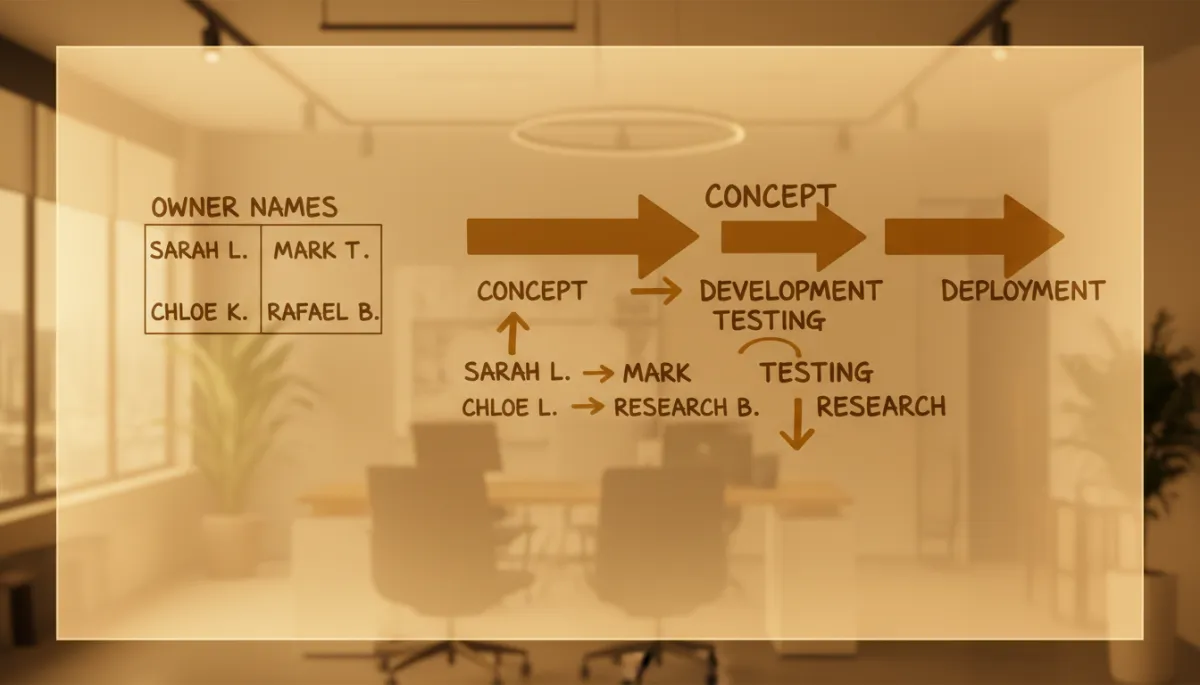
Clear ownership and escalation paths keep growing teams from dropping hot leads.
Who should own lead follow up in a two-person founding team?
In a tiny team, Jason suggests one founder is explicitly “Head of Revenue,” even if that is informal. That person owns the follow up system—cadence, CRM rules, and reviews—while the other founder supports on high-stakes calls or demos. Shared responsibility without a clear owner is the fastest path to dropped leads.
How do you handle reassigning leads without confusing prospects?
When leads move between owners—say, from SDR to AE—your system should trigger a simple, human handoff message. The new owner introduces themselves, references prior conversations, and confirms the next step. Modern CRMs like HubSpot or Pipedrive make this handoff easy to automate while preserving context. citeturn0search1
Measuring Lead Follow Up System Performance
What you do not measure, you will not improve. The best lead follow up systems in 2026 run on a small, focused set of metrics that tie directly to revenue and to silence prevention. citeturn0search0
- Response time: Median time from lead creation to first human or automated touch.
- Touch-to-meeting rate: Percentage of leads that book a meeting within your initial sequence.
- Sequence completion rate: How many leads actually receive every planned touch before being closed or disqualified.
- Silent loss rate: Leads that go 14+ days with no activity and no decision.
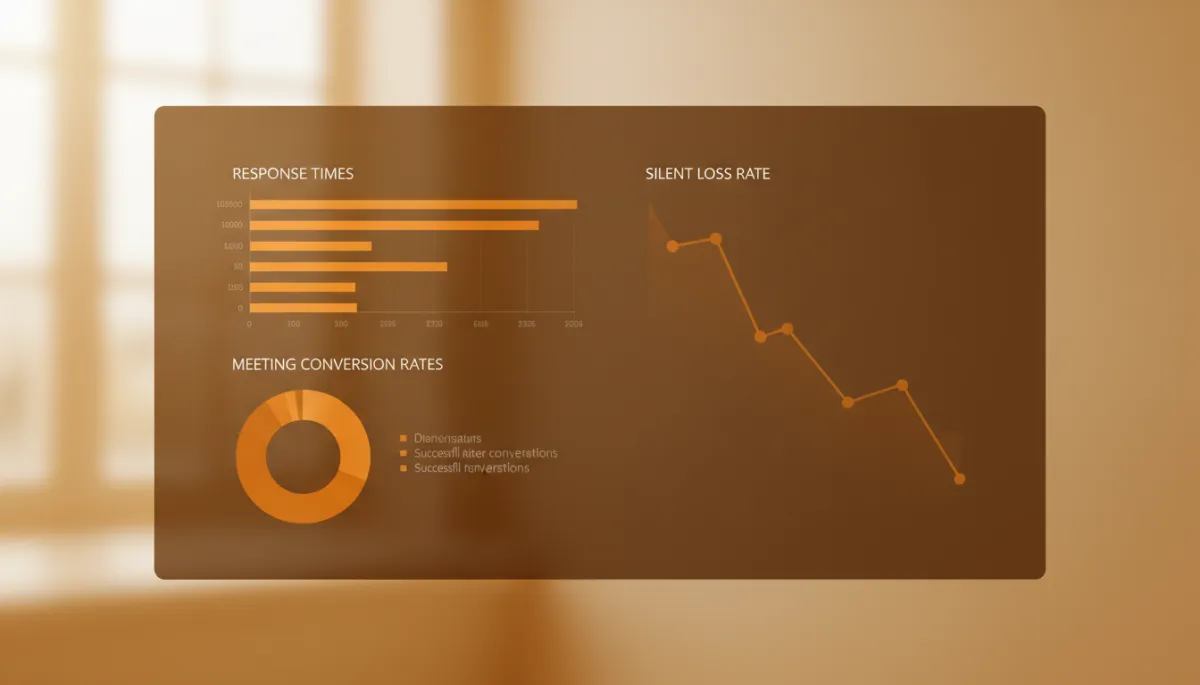
A simple metrics view lets founders spot follow-up leaks before they hit revenue.
What KPIs should founders track for follow up effectiveness?
Jason focuses founders on three KPIs: time-to-first-touch, meeting rate per sequence, and pipeline coverage (qualified pipeline value vs. target). When those three trend in the right direction, revenue follows. For a deeper systems view, his essay on the future of selling systems at AuthorJason.com is a useful companion read.
Rebuilding a Broken Lead Follow Up System
Many founders secretly know their current follow up system is broken—too many tools, no consistent cadence, and a CRM full of ghosts. Jason has rebuilt his own system three times and guided hundreds of teams through the same reset. The pattern is surprisingly consistent and can often be executed in a focused week.
- Declare CRM amnesty. Freeze complex automation. Export your open leads and decide which ones still matter. Everything else moves to a low-intensity nurture list.
- Redesign your stages and SLAs. Keep stages simple and define response-time promises for each stage and segment.
- Install one primary sequence per entry point. Demo request, content download, and referral each get a specific, multi-channel sequence with clear stop rules. citeturn0search0
- Reassign ownership with intention. Every priority lead gets a named owner and a next step within 48 hours.
- Schedule the first “silent loss” review. Put it on the calendar before you relaunch—systems stick when they are reviewed.

Rebuilding your follow-up system is a short, intense project that pays for itself quickly.
How long does it take to see results from a rebuilt follow up system?
Most founders Jason works with see leading indicators—more replies, more meetings booked—within two weeks of relaunch. Revenue impact typically shows up in one to two sales cycles, depending on your deal length. The real win is confidence: you know that if a lead goes quiet, it is a decision, not a system failure.
What tools work best for a startup lead follow up system?
You do not need enterprise software. Many founders start with HubSpot, Pipedrive, or Attio for CRM, then layer in automation via native workflows or tools like Zapier as they grow. The tool matters less than the rules you enforce and the cadence you commit to. citeturn0search1
From Random Follow Up to a Founder-Grade System
A strong lead follow up system does more than protect revenue—it protects your focus. When stages, timing, ownership, and tracking are clear, your team stops arguing about “who owns what” and starts closing deals. Jason’s work with Tier 1 founders like Tan, Teo, and Leon shows the same pattern: once follow-up becomes a system, founders can finally step back from inbox firefighting and build the rest of the go-to-market engine.
If you want a proven implementation of everything in this article, Jason’s FOS follow-up operating system is built exactly for this—documented sequences, clear CRM rules, and dashboards that surface silent losses before they cost you. At just $0.63/day, you can install the same kind of discipline Ek used for Spotify’s label pipeline, without hiring a revenue operations team. Learn more and get FOS at dreamaker.club/buyfos.


