
How Billionaire Oprah Winfrey Built a Personal Brand That Became the Most Powerful Client Magnet on Earth — The Founders' Playbook
Customer Discovery, Founder Personal Brand, Customer Acquisition
How Billionaire Oprah Winfrey Built a Personal Brand That Became the Strongest Customer Magnet on Earth — A Guide for Founders
Oprah’s personal brand generates more revenue than most companies. Here’s how startup founders can build a founder personal brand that repeatedly attracts customers — without turning into full‑time influencers.
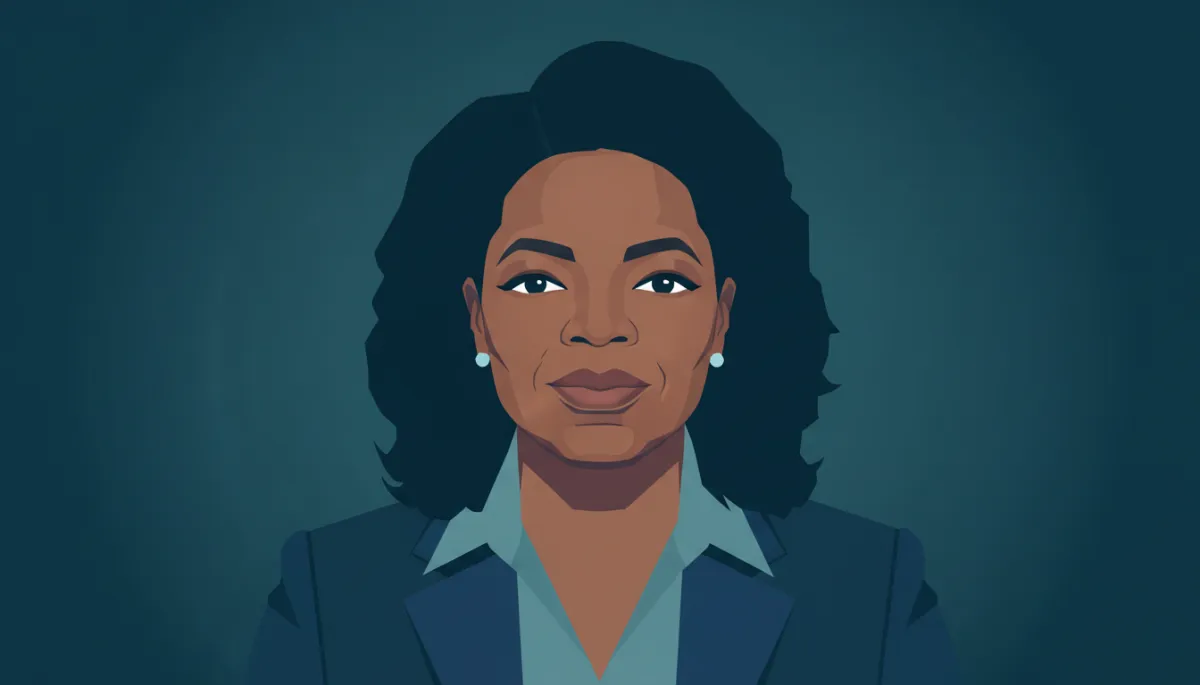
Why Your Personal Brand Is Your Most Important Customer Acquisition Asset
Bottom line: A visible, trusted founder personal brand pre‑warms the buyer so that every touch, every offer, and every proposal rests on existing trust instead of starting from zero.
Jason works with founders who already have something real in the market. A team of five or more. Customers who love the product. Revenue that proves the idea works. And yet, every new customer still feels like a cold start and a long fight.
The product is strong. The pitch deck is polished. The numbers are solid. But when the founder steps into a new conversation, there’s no stored trust. No “Oh, I know you, I’ve been following your work.” Every pitch starts from scratch. It’s exhausting and slow.
A founder personal brand changes that equation. Research from Edelman and LinkedIn shows that leaders who build visible, trusted personal brands drive higher purchase intent and shorter sales cycles because buyers feel like they know the person behind the company before the first call (Edelman–LinkedIn report).
In everyday terms, a strong personal brand is like walking into a room where half the people already know about you from a trusted friend. The conversation starts warmer. The questions are kinder. The decision moves faster. That’s what Jason helps founders build on purpose, not by accident.
As Jason teaches at AuthorJason.com, a founder’s personal brand is a prepaid sales asset that front‑loads trust into the sale so every future conversation compounds instead of resetting to zero.
How Oprah Winfrey Turned Radical Honesty into the World’s Strongest Brand
Bottom line: Oprah Winfrey turned radical honesty into a repeatable trust engine that made every recommendation feel safe to buy — the same pattern a founder personal brand can follow at a smaller scale.
Oprah Winfrey didn’t start as a global empire. She started as a local news anchor in Nashville. She was young and ambitious, and already being told she was “too emotional” for serious journalism. At 22, she was demoted to a morning talk show. On paper, it looked like a step backward in her career, not forward.
But that “demotion” gave her something priceless: room to be herself. Instead of hiding her feelings, she leaned into them. Instead of reading the news from a distance, she sat with people and lived their stories. She cried on air. She laughed loudly. She talked about trauma, shame, and hope in a way television hadn’t seen before.
Every episode of The Oprah Winfrey Show became a live demonstration of one principle: real human connection. Her brand wasn’t built on perfect hair and scripted lines. It was built on truth. She showed her own wounds and let her guests do the same. The audience felt seen, not targeted for a sale, and they came back every day for that feeling.
Over time, that emotional equity turned into financial gravity. When Oprah recommended a book, it shot to the top of bestseller lists. When she launched a product, websites crashed from demand. When she joined a board, tickets sold out in hours. People weren’t just buying what she promoted. They were buying because she promoted it. That’s what a fully trusted personal brand can do.
You can see this in the 2000 launch of O, The Oprah Magazine. Built largely on her name and values, the magazine debuted with a paid circulation of more than 1.6 million and quickly became one of the most successful magazine launches in history. Readers weren’t subscribing to a new title; they were subscribing to Oprah’s lens on life.
In 2015, when Oprah took a 10% stake in Weight Watchers (now WW) and joined its board, the stock reportedly jumped more than 100% in a single day. The business model didn’t change overnight — but market belief did, because her personal commitment to the journey made the brand promise more credible. That’s the commercial power of trust built over decades.
Even her 2007 “Oprah’s Favorite Things” episodes turned into annual economic events. Small businesses featured on the show often saw such sharp spikes in sales that operations struggled to keep up. The pattern is clear: Oprah Winfrey spent years showing up as the same honest, curious person, and the market rewarded that consistency with attention, action, and revenue.

Oprah built a global empire by being fully and consistently herself. Founders who do the same attract customers before they ever pitch.
As Jason teaches at AuthorJason.com, the strongest founder brands are built on lived values and repeated proof, not polished optics — and that’s what makes them reliable sales assets.
The Six Pillars of a Founder Personal Brand That Attracts Customers — Not Just Followers
Bottom line: Six pillars turn the founder’s story into a repeatable system: a clear origin, sharp stance, useful teaching, visible values, human proof, and repetition that makes you familiar to the right buyers.
Jason sees a pattern in founders whose personal brands actually move revenue. It’s not about viral moments. It’s about six quiet, repeatable pillars working together like gears in a machine. Here’s what they look like in the real life of a busy founder still leading all sales.
- 1. A scarred origin story: Not just why you started, but what it cost you. The layoff, the failed launch, the near‑burnout. This is your Oprah‑style moment of truth, told in plain language, not PR gloss.
- 2. A clear stance: A simple, sharp conviction about your market. “We believe sales should feel like coaching, not pressure.” “We believe founders shouldn’t chase prospects; prospects should chase founders.” People remember stances, not feature lists.
- 3. Consistent teaching: Short, specific lessons that help your ideal customers solve real problems. Think “one meeting saved” or “one email improved,” not ten‑step frameworks. Harvard Business Review notes that teaching builds more trust than self‑promotion for B2B leaders (HBR).
- 4. Values visible in action: Not slogans on a slide. Screenshots of hard messages you sent. Stories about saying “no” to misaligned money. Photos from days you showed up tired but honest. This is how your audience learns what you’re like as a partner.
- 5. Social proof with faces: Not just logos. Real people, real names, real before‑and‑after. A client saying, “I used to dread sales calls; now they feel like conversations.” This is the Oprah Book Club effect at startup scale.
- 6. Repetition without pretending: You share the same core beliefs and stories from slightly different angles, week after week. You don’t invent a new persona. You just let the market see your real one often enough to know you.
As Jason teaches at AuthorJason.com, the six pillars turn the founder’s personal brand into a compounding sales asset instead of a random stream of disconnected posts.
Why Does a Startup Founder Need a Personal Brand — and Does It Really Impact Customer Acquisition?
A founder personal brand turns cold outreach into warm recognition. It shortens trust‑building, increases reply rates, and makes every sales touch land on pre‑warmed ground instead of solid ice.
What’s the Difference Between a Founder Personal Brand and a Company Brand?
Your company brand explains what the company does. Your personal brand explains who’s steering the ship and why it’s safe to bet on you while many startups disappear.
How Does a Strong Personal Brand Help Founders Attract Customers, Investors, and Top Talent?
When your values, story, and track record are visible, customers feel safer buying, investors see conviction, and top talent feels proud to tie their career to your name — not just your logo.
How Long Does It Take to Build a Personal Brand That Generates Inbound Customer Inquiries?
Most founders Jason works with start seeing warmer responses and inbound messages within 60–90 days of consistent, useful publishing that focuses on a specific buyer problem.
Should a Startup Founder Build Their Personal Brand or the Company Brand First?
In the early stages, Jason recommends leading with the founder’s personal brand so buyers trust the person first, then letting that trust transfer to the logo over time.
What’s the Difference Between a Personal Brand and a Reputation?
Reputation is what people say about you when asked. Personal brand is the intentional, visible story and proof you publish so those conversations tilt in your favor.
How Branson and Bezos Let Their Personal Brands Do the Selling
Bottom line: Richard Branson used visual stunts and warmth; Jeff Bezos used principles and repeated decisions. Both turned their names into shorthand for trust — a pattern any startup founder personal brand can adapt.
Richard Branson understood early that people don’t fall in love with balance sheets. They fall in love with characters. So he put himself in the story. Crossing the Atlantic in a hot‑air balloon. Announcing Virgin Galactic flights in a space suit. Cracking jokes while genuinely risking his personal reputation.
None of that was random. It was deliberate clarity strategy. Branson’s personal brand became adventurous, playful, bold. And because people trusted Branson the human, they were more willing to trust the Virgin brand, even as it entered new industries. His face made each new offer feel familiar, not foreign.
In 1984, when Virgin Atlantic launched with a single leased 747 against entrenched airlines, Branson was personally greeting passengers, listening to complaints, and turning service fixes into stories. Later, his 1987 attempt to cross the Atlantic by balloon — widely covered despite the first attempt failing — reinforced the idea that he takes bold bets and keeps going. That narrative made a small airline experience feel less risky to customers.
Decades later, the same pattern showed up with Virgin Galactic. Branson’s decision to fly on the Unity 22 mission in 2021 signaled that he had real “skin in the game.” The spectacle drove global coverage and, more importantly, framed the company as “visionary” rather than “speculative.” His “adventurous but human” brand did marketing money couldn’t buy.
Jeff Bezos took a different path. He rarely did stunts. Instead, he repeated three ideas until the world could quote them back to him: customer obsession, long‑term thinking, and continuous innovation. These weren’t slogans. They were Amazon’s operating instructions, visible in decisions like prioritizing customer reviews, accepting thin margins, and reinvesting for years before profits exploded.
In his 1997 shareholder letter — which he insisted be included every year — Bezos explained why Amazon would prioritize long‑term market leadership over short‑term earnings. That letter became a canonical document investors still study. When Amazon launched Prime in 2005, offering fast shipping for a flat fee looked expensive short‑term but perfectly aligned with his stated principles, reinforcing trust in his judgment.
Over time, Bezos’s personal brand became shorthand. When he spoke, investors listened. When he backed a new initiative, the market gave it more patience. His consistent behavior made Amazon’s promises more believable than any ad campaign. Founders don’t need his scale to use the same pattern: visible values, repeated over years, until the market believes them too.

The six pillars Jason teaches turn the founder’s story into the strongest customer acquisition tool available.
As Jason teaches at AuthorJason.com, when a founder’s name consistently stands for something specific, every new offer inherits that stored trust.
Can a Founder Without a Large Following Build an Effective Personal Brand from Scratch?
Yes. In 2026, depth beats reach. A few hundred of the right people consistently seeing your honest story and useful ideas can fill a B2B pipeline faster than ten thousand random followers who never buy.
What’s the Fastest Way for a Busy Founder to Start Building Their Personal Brand in 2026?
Pick one platform your buyers already use, share one honest story and one practical lesson each week, and reply to every serious comment. That simple rhythm, repeated, beats any complex content calendar you’ll abandon.

A consistent personal brand shortens sales cycles by building trust before the first call.
What Founders Working with Jason Experience After 60 Days of Consistent Personal Branding
Bottom line: In about two months, founders with a focused personal brand start hearing “I’ve been following you” — and sales calls feel more like confirmations than tests.
Since 2015, Jason has helped more than 1,000 founders across SaaS, services, and products, with over $22M in combined sales flowing through his systems. Many started where you are now: frustrated, not failing. Tired of carrying the entire sales load, but unwilling to cosplay as a fake “online expert.”
After sixty days of a simple, human rhythm, their world starts to shift. Cold emails get replies like, “I’ve been reading your posts; this sounds relevant.” Prospects show up to calls quoting the founder’s beliefs back to them. Instead of defending price, they hear, “I feel like I know how you think; that makes saying yes easier.”
A fictional founder named Maya was leading a B2B analytics company with a team of eight. She hated LinkedIn. She assumed personal branding meant selfies and humble‑brags. Using Jason’s approach, she started sharing short stories: the painful trial that almost broke her team, the uncomfortable investor meeting where she chose honesty over polish, the quiet wins when a client finally felt the data understood them instead of drowning them.
Within two months, Maya noticed something small but huge: her calendar was filling with intros that started with “I’ve been following you.” Her team was sending her posts to prospects as trust‑building tools. Sales cycles shortened because buyers already believed she cared more about clarity than dashboards. Maya didn’t become Oprah. She became a more visible version of herself — and that was enough to move revenue.
As Jason teaches at AuthorJason.com, 60 days of consistent, problem‑focused publishing can turn a founder’s profile into a “silent sales rep” that warms every future conversation.
How the P.I.T.C.H. Formula Gives Founders a Story Worth Following
Bottom line: The P.I.T.C.H. formula turns scattered founder experiences into one memorable story that does the credibility work before any sales conversation begins.
Inside the Future of Selling System, Jason teaches the P.I.T.C.H. formula — a simple way for founders to turn scattered experiences into a clear narrative arc that customers remember and repeat. He doesn’t ask founders to become performers. He helps them organize what’s already true into a story that sells without feeling salesy.
When a founder treats their personal brand as the “Prepare” step for every sales conversation, everything changes. Instead of entering a call hoping to “prove credibility,” they walk in knowing the buyer has already seen their point of view, their proof, and their personality. The conversation can start at “Is this a fit?” instead of “Who are you again?”
Practically, that means the founder’s posts, case studies, and interviews all tell one coherent story about the specific problem they solve and how they think. A prospect who’s consumed even a small slice of that story already feels like they know how decisions get made, what trade‑offs the founder accepts, and what real‑world outcomes look like. Objections soften because “Can I trust you?” has been answered in advance.
Over time, this formula turns a startup founder’s personal brand into a filter. The wrong buyers quietly opt out. The right buyers lean in and arrive at calls with momentum. The founder spends less time justifying their existence and more time designing outcomes with the client. You can explore how it works in more depth in Jason’s guide to the P.I.T.C.H. formula, then decide how you want to apply it to your own journey.
Self‑check
- When a new prospect looks you up before the first call — what do they find, and does it make them more likely to buy?
- Are you known for a specific opinion on a specific problem — or are you a general “expert in your field”?
- Is your personal brand actively generating inbound conversations — or is it a static résumé?
As Jason teaches at AuthorJason.com, treating your personal brand as preparation — not decoration — means every sales call starts on second base, not first.
Frequently Asked Questions About Founder Personal Brands
Should a Founder Focus on Building Their Personal Brand or the Company Brand First?
B2B buying studies show that when stakes are high, people trust experts more than logos. For early‑stage startups, Jason encourages founders to lead with a personal brand that makes the company brand feel safer. Over time, both grow together, but your name can move faster than your logo in the early years.
If you want a structured way to build that trust without burning out, Jason’s Founder Personal Brand playbook shows how discovery, content, and conversations can fit into one weekly rhythm that still leaves room to run the company.
How Visible Does a Founder Need to Be on Social Media to Build a Startup Personal Brand?
You don’t need to post daily. One to three thoughtful posts per week, focused on the buyer’s problem and backed by real examples, are enough to build familiarity and trust over time.
Can a Technical Founder Build a Strong Personal Brand Without Becoming a “Thought Leader”?
Yes. Technical founders can share decisions, trade‑offs, and lessons learned from behind the scenes. In complex B2B markets, buyers often trust practical builders more than polished speakers.
How Does a Startup Founder’s Personal Brand Affect Fundraising Conversations?
Investors look you up before the meeting. A clear, consistent public record of how you think, your resilience, and your results makes them more willing to believe you can handle volatility and lead a team through uncertainty.
What Metrics Show That a Founder’s Personal Brand Is Working?
Look for more intros that start with “I’ve been following you,” higher reply rates, shorter sales cycles, and prospects referencing your posts or case studies unprompted during calls.
Where Can I Learn More About Using Personal Branding to Build B2B Trust?
Resources like the Edelman–LinkedIn B2B thought leadership report and this Forbes article on personal branding and B2B trust show how visible leaders shape buying decisions.
Tier‑One Wins from Founders Using the Future of Selling System
Bottom line: When founders treat their personal brand as a core sales asset, revenue wins like Tan’s, Teo’s, and Leon’s arrive faster because trust is already in the room.
Jason is gentle with founders about where they’re starting, but direct about what’s possible. With the Future of Selling System, he’s seen Tan generate $29,693 in 16 days, Teo bring in 63 clients in 100 days, and Leon grow from $2.5K to more than $2M in revenue. Different industries, different offers, same core pattern: a visible, trusted founder whose story does part of the selling before the proposal arrives.
Tan came in with a strong offer but a quiet online presence. By sharing specific client results and the thinking behind his recommendations for just a few weeks, he turned a small pool of dormant leads into warm conversations. The $29,693 in 16 days didn’t come from new tricks — it came from buyers finally seeing why his approach was different before he pitched.
Teo used the system to clarify who he serves and why his method works. The 63 clients in 100 days weren’t random sign‑ups; many pointed to his posts and case studies as reasons they trusted him enough to move quickly. His startup founder personal brand acted as a filter, attracting the right slice of the market and making sales calls feel more like mutual confirmations.
Leon’s journey from $2.5K to more than $2M in revenue was built on repetition. He shared the same core beliefs, proof, and client stories in different forms over months. As his name became associated with a specific outcome in his niche, referrals increased and deals closed faster. Prospects arrived saying, “I already know how you work — how do we start?” That’s what a mature founder brand can do.

When the founder’s name carries trust, every discovery and sales activity compounds instead of starting from zero.
As Jason teaches at AuthorJason.com, specific, visible proof inside the founder’s story turns every new proposal into the final step in a longer trust‑building journey.
Embedded Ad: Turn Your Founder Story into a Daily Customer Magnet
3 Personal Branding Mistakes That Cost Founders the Conversation — and the Bonus Mistake That Hurts Most
Bottom line: Most personal brand problems for founders…


