Sales Follow Up System for Founders: The 7-Step Process That Closes More Deals
Sales, sales follow up system, founder-led sales
Sales Follow Up System for Founders: The 7-Step Process That Closes More Deals (Inspired by Billionaire Whitney Wolfe Herd)
A modern sales follow up system is the difference between a leaky pipeline and a predictable revenue engine. As a founder, you don’t need more hustle — you need a simple, documented, repeatable process that anyone on your team can run, measure, and improve.

Why Founders Need a Sales Follow Up System, Not Just More Effort
In 2026, buyers are busier, channels are noisier, and attention is shorter than ever. Yet the numbers are clear — around 80% of sales still require five or more follow-ups after the first touch, while 44% of reps stop after just one attempt and 92% quit before the fifth. That gap is where your revenue disappears, and where a disciplined sales follow up system wins it back.
Wolfe Herd built Bumble from zero to a $2B IPO with a documented follow-up discipline across investors, partners, and users. Jason has seen the same pattern across $22M+ in tracked revenue and 1,000+ founders — the founders who win don’t “wing it.” They run a written, visible, and measurable follow up system for sales that survives handoffs, hiring, and hard quarters.
The 7-Step Sales Follow-Up Process That Jason Uses With Founders
Jason’s P6 Sales Follow-Up framework has been rebuilt three times with live founder data, iterated with Tier 1 operators like Tan, Teo, and Leon, and battle-tested across different price points and sales cycles. The heart of it is a seven-step sales follow up process that turns “I’ll get back to you” into a clear path to closed–won or closed–lost:
- First contact
- Meeting booked
- Post-meeting summary
- Proposal sent
- Objection handled
- Decision nudge
- Win/loss close
1. First Contact: How Do You Start the Follow-Up Right?
The first touch is not about closing — it’s about context. In 2026, personalization beats volume. Use your CRM, call notes, or AI transcript tools to reference the trigger that made you reach out: a webinar they attended, a feature they tried, a problem they posted about. Your goal is simple: earn permission for a deeper conversation and move the lead to Meeting booked.
2. Meeting Booked: What Happens Between “Yes” and the Call?
Once a prospect books, most founders relax — and lose momentum. Instead, your follow up system for sales should send a confirmation, a short agenda, and one piece of value (a case study, a short video, or an FAQ). This pre-frames the meeting, reduces no-shows, and positions you as a partner, not a pusher. AI scheduling and reminder tools can automate this step without losing warmth.
3. Post-Meeting Summary: How Soon Should You Follow Up After a Call?
The best teams now move from transcript to drafted follow-up within minutes. Tools like ReplySequence and similar AI workflows can turn your call recording into a structured recap. Jason’s rule — send a concise summary within 24 hours, ideally same day. Include: their goals in their words, the agreed plan, open questions, and next steps with dates. This becomes the anchor for the proposal.
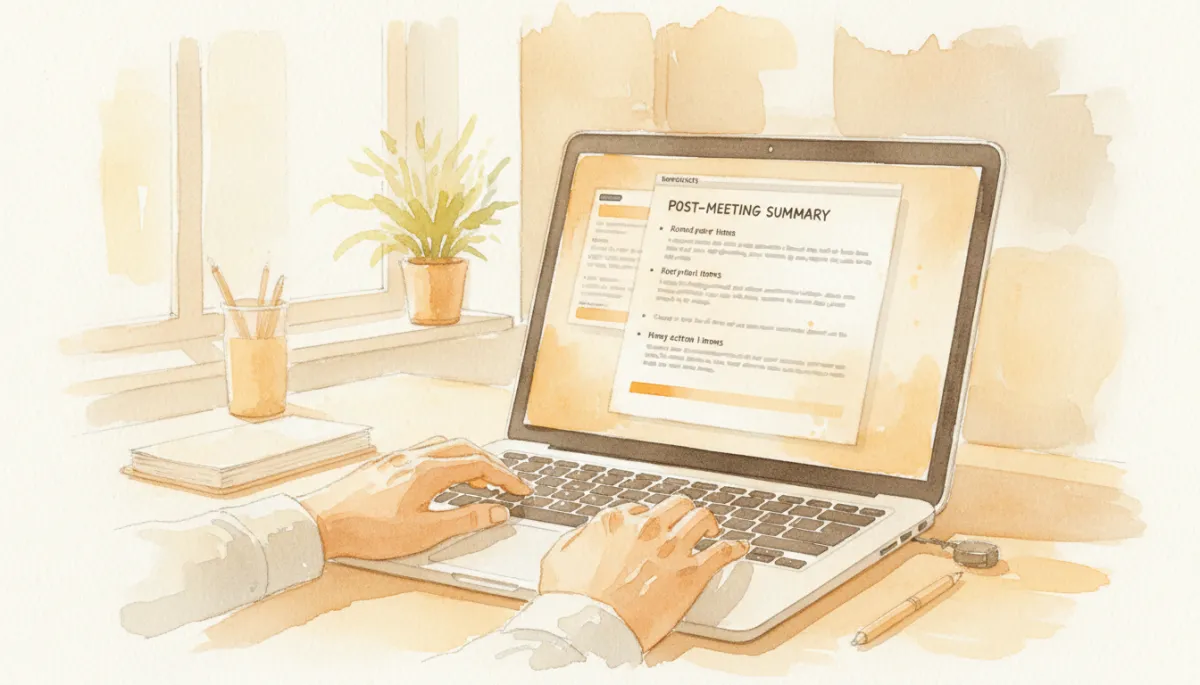
A clear recap email reduces confusion, speeds decisions, and lifts close rates.
4. Proposal Sent: What’s the Ideal Follow-Up Cadence?
Once the proposal lands, your sales follow up process should shift into a focused, time-bound cadence — not a random series of “just checking in” emails. For most B2B deals, data shows that around five follow-up emails over two to three weeks, plus at least one call, hits the sweet spot. Shorter, high-quality sequences now outperform long, generic drips. Each touch should add context, answer an objection, or simplify the decision.
5. Objection Handled: How Do You Respond Without Discounting First?
Objections are usually signals of interest, not rejection. Jason coaches founders to map the top five objections — price, timing, internal approval, competing priorities, and “we’ll build it ourselves” — and write standard responses that combine empathy, proof, and options. This is where the P.I.T.C.H. Formula comes in: Problem, Impact, Testimonial, Call-to-action, Hedge. Instead of arguing, you reframe, show outcomes, and invite a low-friction next step.
6. Decision Nudge: How Do You Push Without Being Pushy?
By this stage, you’re not educating — you’re helping them choose. A good decision nudge email restates their original problem, the agreed solution, and the cost of staying where they are, then offers a clear fork in the road. Many founders find that a simple “Should we close this out for now?” message surfaces hidden concerns and speeds honest answers.
7. Win/Loss Close: Why You Should Close Every Loop
Whether you win or lose, the final step is to close the loop. A short win email sets expectations and transitions into onboarding. A thoughtful loss email — thanking them, asking one honest feedback question, and leaving the door open — feeds your system with insight. Standardizing this step alone can reveal patterns in pricing, positioning, and competitors you keep bumping into.
How to Set Up Pipeline Stages That Match the 7 Steps
Your CRM should mirror your real-world sales follow up system. Jason recommends a simple board with seven visible stages:
- New lead — first contact not made yet.
- Contacted — awaiting reply or meeting.
- Meeting booked — call scheduled, pre-meeting nurture running.
- Meeting held — summary sent, proposal in progress.
- Proposal sent — active follow-up cadence.
- Decision pending — objections handled, nudge in play.
- Won / Lost — outcome logged, feedback captured.
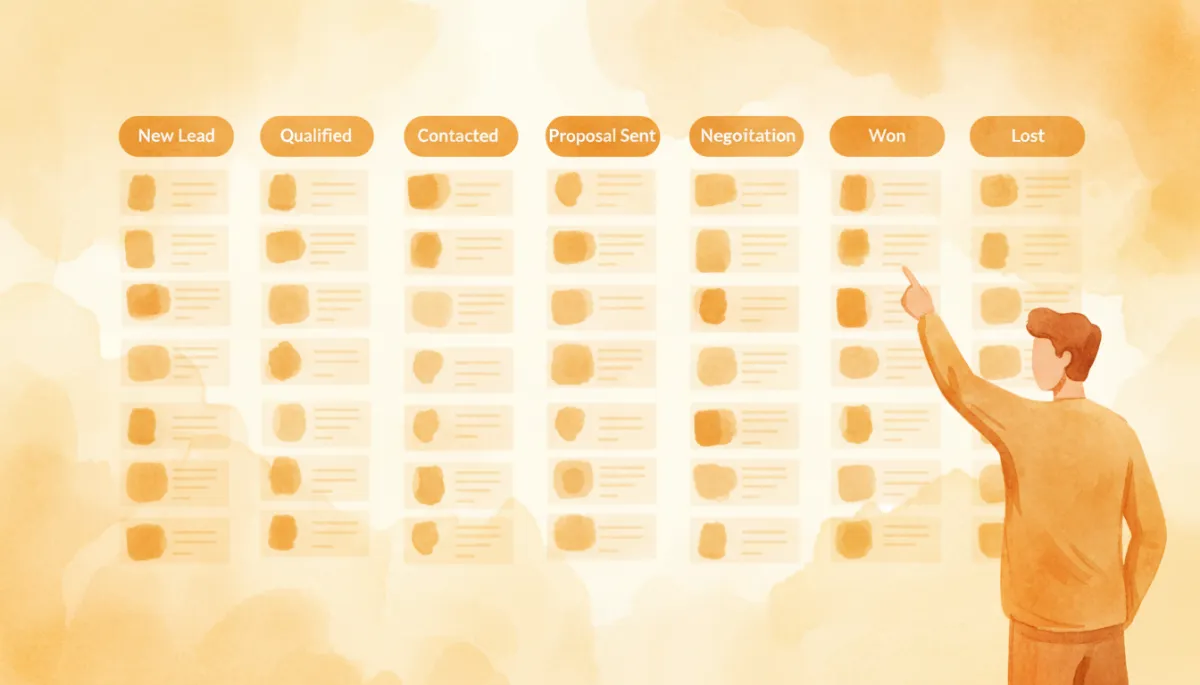
When pipeline stages mirror reality, coaching and forecasting become dramatically easier.
Recommended Follow-Up Cadence for Each Stage
A sales follow up system lives or dies by cadence. Here is a starting point Jason uses with founders — always adapt it to your deal size and sales cycle:
- First contact → Meeting booked: 3–5 touches over 7–10 days, mixing email, LinkedIn, and one call. Aim to respond to any inbound within 24 hours — fast follow-ups still correlate with higher close rates.
- Meeting booked → Post-meeting summary: same day email recap, plus an optional reminder the day before the call.
- Post-meeting summary → Proposal sent: 1–2 touches over 3 days if you owe them a proposal — don’t let your own delay kill momentum.
- Proposal sent → Objection handled: 5 touches over 2–3 weeks across email, call, and one social touch. Data from large email datasets shows that over half of replies come from follow-up emails, not the first send.
- Objection handled → Decision nudge: 2–3 targeted follow-ups over 7–10 days, each with a clear decision or date.
- Decision nudge → Win/loss close: one final close-the-loop message, then a reactivation touch 60–90 days later if they were a good fit.
The Metrics That Tell You If Your Follow-Up System Is Working
A modern sales follow up system is measurable. Jason encourages founders to track a small, focused set of performance metrics:
- Time-to-first-follow-up for new leads.
- Meeting conversion rate from first contact.
- Proposal-to-close rate, by segment or channel.
- Average number of follow-ups sent before deals close or go dark.
- Win rate by source (referrals, outbound, partnerships, events).
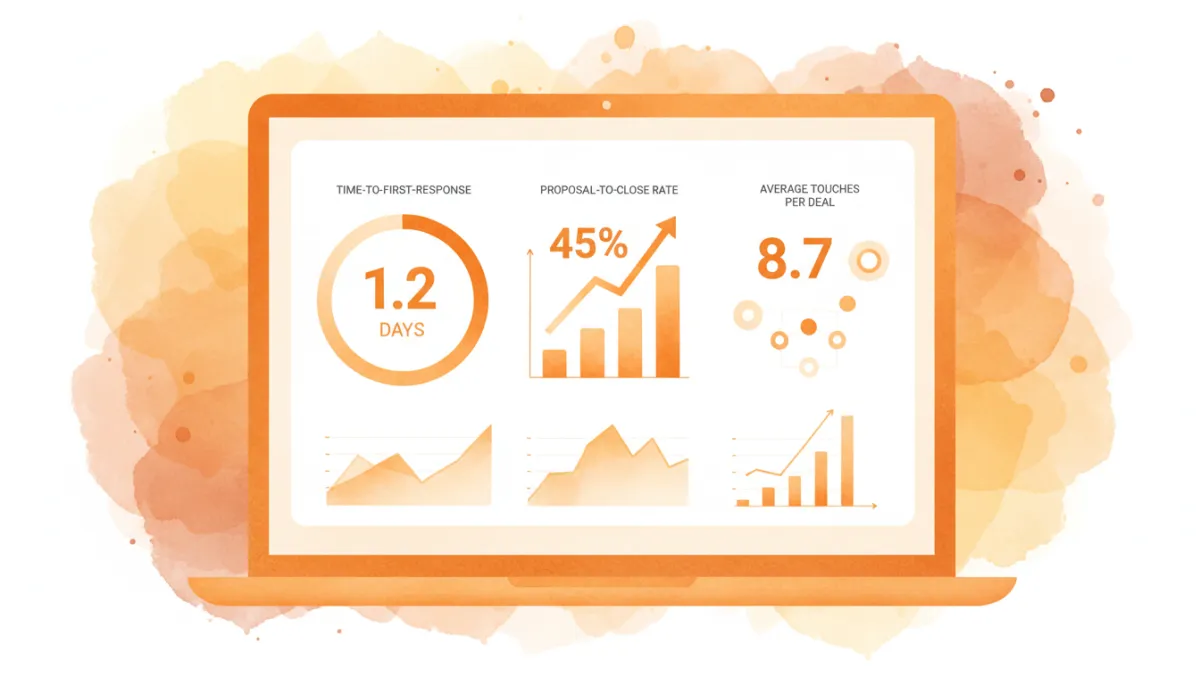
A handful of disciplined metrics will guide more improvements than a noisy dashboard.
Standardizing your process and measuring these basics can lift conversion rates dramatically — some studies suggest up to 78% improvement when teams adopt consistent follow-up playbooks. When you add AI assistance, you gain time back as well; many sales orgs now save several hours per week per rep by automating post-call admin, but the real gains come when that time is reinvested into thoughtful follow-ups.
Where Does AI Fit Into a Founder-Led Follow-Up System?
In 2026, AI is powerful enough to draft recaps, propose cadences, and update your CRM — but it still needs your judgment. The best founder-led teams use AI to close the “last-mile gap” between meetings and follow-ups, then layer human review on top to maintain authenticity. Think of AI as your sales operations assistant, not your closer.
For a deeper dive on how this fits into a broader selling system, Jason unpacks the strategy in this founder sales follow-up playbook and explores the bigger question of what the future of selling systems looks like. For additional perspectives on AI-driven follow-ups, you can also review current analyses from platforms like ReplySequence and Salesforce’s 2026 State of Sales.

AI can draft the first version — your judgment and tone still close the deal.
FAQs About Building a Sales Follow Up System as a Founder
How many follow-ups should a founder send before stopping?
For most B2B deals, Jason recommends at least five structured touches after the proposal — often up to eight to twelve across channels for complex deals. Because many buyers reply on the third or later email, stopping early leaves money on the table. The key is to add value in each touch, not just repeat the same nudge.
What’s the best channel mix for a follow up system for sales?
Email remains the backbone of most founder-led sales, but calls and social touches punch above their weight. Studies show calls drive a disproportionate share of booked meetings compared to their lower volume. A healthy cadence blends email, one or two calls, and at least one LinkedIn or similar touch, depending on where your buyers actually spend time.
How can solo founders manage follow-ups without a big tech stack?
You don’t need eight tools — you need clarity. Start with a simple CRM or even a spreadsheet that mirrors the seven stages, plus calendar reminders for follow-ups. Then add one AI assistant or email tool that helps you recap calls and queue messages. Integration matters more than volume; you can always add more sophistication later.
How do I keep follow-ups from feeling spammy?
Spammy follow-ups are usually generic, self-centered, and context-free. Ground every touch in their goals, their timeline, and their language from the meeting. Use the P.I.T.C.H. Formula to tie each message back to a specific problem and outcome. When in doubt, ask a question that helps them think better about their decision, even if they don’t choose you.
What should I measure first when improving my sales follow up process?
Start with three numbers: time-to-first-follow-up, meeting rate from first contact, and proposal-to-close rate. These show where your system is leaking — top of funnel, middle, or end. Once those are stable, layer in more granular metrics like average touches per deal and win rate by channel.
How did Jason build and refine this follow-up system?
Jason has rebuilt his sales follow up system three times using live data from 1,000+ founders and over $22M in recorded pipeline. Working with Tier 1 founders like Tan, Teo, and Leon, he pressure-tested each stage, cadence, and script until it was simple enough for a busy founder, and robust enough for a growing team to run.
Turn This Playbook Into a Daily Habit With FOS
Reading about a sales follow up system is one thing — running it every day is another. That’s why Jason built FOS, a lightweight founder operating system that bakes this seven-step follow-up into your daily workflow. For about $0.63/day, FOS helps you see every deal, every stage, and every next action in one place, so you don’t rely on memory or motivation to stay consistent.
If you want a simple way to apply the same discipline Wolfe Herd used — a documented, measurable follow-up rhythm that treats every prospect with equal rigor — explore FOS at dreamaker.club/buyfos and see how a few small, daily systems can compound into a stronger pipeline, cleaner decisions, and more closed deals.


