Stripe vs PayPal: Fees, Payouts & Startup Fit
Payments, Stripe vs PayPal, Startup Finance
Stripe vs PayPal for Small Business: Fees, Payouts and Founder Fit
Founders do not need another abstract “fintech roundup” — they need a clear, no‑nonsense call on Stripe vs PayPal, how the fees hit real revenue, and what actually fits a modern startup stack in 2026. Jason wrote this guide so your team can decide in one sitting, then get back to selling.
Stripe is usually better for startups selling online with subscriptions, custom checkout or invoices. US card pricing starts at 2.9% plus 30 cents per transaction with no monthly fee. PayPal is better when buyers already trust and prefer PayPal. Many founders run both: Stripe as default, PayPal as a checkout option. Either way, closing the sale happens before checkout — that is the P.I.T.C.H. Formula.
Processor | Card fee (US domestic) | Cross-border | Dispute fee | Monthly fee | Payout speed |
|---|---|---|---|---|---|
Stripe | 2.9% + $0.30 | +1.5% | $15 | None | Verify at stripe.com/pricing |
PayPal | verify at paypal.com/us/business fees | verify | verify | verify | verify |
Square | verify at squareup.com/us/en/payments/fees | verify | verify | verify | verify |
Fees last checked October 2026 from each vendor's public pricing page. Country fees vary — check your local page. Fees differ by country. Check stripe.com/[country]/pricing for your local rate.
Stripe vs PayPal — Which Is Right for a Startup?
Jason’s view is simple: Stripe is a developer‑grade payments platform; PayPal is a buyer‑familiar wallet. When you compare Stripe vs PayPal for small business, you are really choosing between “owning” your checkout experience and “borrowing” PayPal’s brand to reduce friction for nervous buyers.
Stripe gives your team APIs, webhooks, and products like Billing, Invoicing, and Connect. That makes it ideal if your startup sells subscriptions, usage‑based SaaS, or operates a marketplace. You can fully brand the checkout, run experiments, and plug payments into your data stack. Most funded teams of five or more already have enough technical depth to benefit from this flexibility.
PayPal, on the other hand, wins when trust is the main barrier. Millions of buyers already have PayPal accounts; they see the yellow button and feel safe. If your early customers are eBay‑style marketplace users, hobbyists, or international buyers who live inside PayPal, offering it as an option can lift conversion even if the stripe vs paypal fees tilt in Stripe’s favour.
💡 Native Ad · buyfos $0.63/day: While you debate “should I use Stripe or PayPal,” remember that payment processors only capture revenue you already closed. Jason’s Future of Selling System (buyfos) has helped founders add $22M+ in sales since 2015 — for just $19/month. Since 2016, Jason’s events have reached 100,000+ founders across Asia.
Stripe Fees for Small Business — What Do You Actually Pay?
For US small businesses, Stripe’s headline fee is 2.9% + $0.30 per successful online card charge, with no setup or monthly fees (source). For most SaaS and digital products, that is your core cost. On top of that:
International cards add 1.5% extra; currency conversion can add another 1%.
Manually keyed‑in cards add 0.5% on top of the base rate.
Each dispute (chargeback) currently costs $15, though Stripe may refund that if you win.
On a typical $50 US subscription, that 2.9% + $0.30 works out to about $1.75 — roughly 3.5% of revenue. If you sell globally and take a foreign card with currency conversion, the same $50 can cost around $3 in fees, or ~6% once surcharges are included. For high‑ticket B2B deals, Jason often recommends Stripe’s ACH debit (0.8%, capped at $5) instead of cards to protect margin on $1,000+ invoices.
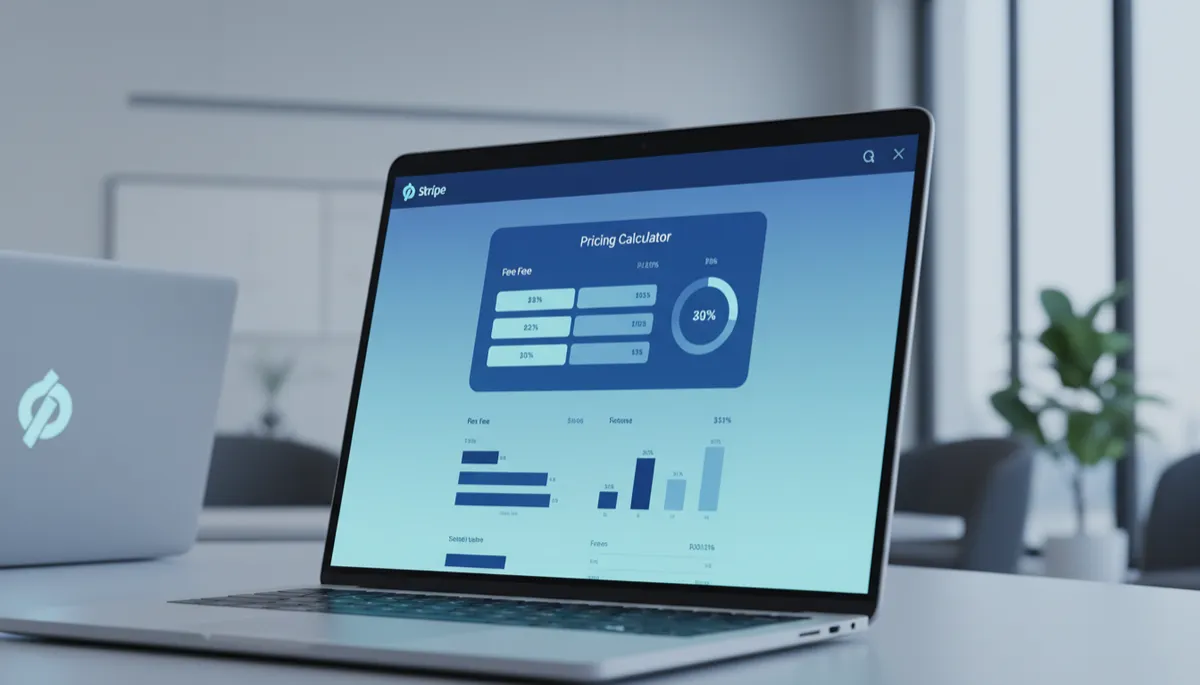
Understanding effective rates on your average ticket size protects fragile early‑stage margins.
If you are processing more than a few thousand dollars a month, Stripe’s Scale plans can trim those costs further via lower per‑transaction percentages and bundled features. But for most early‑stage teams, the standard pay‑as‑you‑go model is enough; the real leverage is not a 0.1% fee difference — it is increasing your close rate with a stronger sales system.
PayPal vs Stripe: When Does PayPal Actually Win?
On pure pricing, stripe fee vs paypal usually favours Stripe. PayPal’s standard online commercial transactions in the US often run 3.49% + $0.49, or 2.99% + $0.49 for direct card payments (source). Cross‑border transactions add another 1.5%. That fixed $0.49 component bites hard on low‑ticket sales under $30.
Yet PayPal wins in three scenarios Jason sees repeatedly:
Marketplace and hobbyist buyers: If your customers discovered you through eBay‑style ecosystems, they already trust PayPal and may insist on it.
One‑off international sales: For a scattered global audience who live inside PayPal, the familiar button can outweigh the higher fee.
Ultra‑fast, no‑code setup: Non‑technical founders can bolt PayPal onto a landing page in minutes and start taking money today.
PayPal also layers in Venmo, Pay Later, and QR‑code in‑person options, which can be useful for hybrid online/offline businesses. The trade‑off is less control over the brand experience and a higher risk of sudden account holds — a recurring complaint in founder communities and even in mainstream coverage from outlets like Forbes.
Stripe vs PayPal for Subscriptions — Which Handles Recurring Billing Better?
If your business model is SaaS, memberships, or retainers, this is the decisive round of the stripe vs paypal fight. Stripe Billing is built for recurring revenue: you can define plans, add usage‑based components, run trials, send dunning emails, and integrate with your CRM and analytics. Pricing typically adds 0.4–0.7% on top of standard card fees for advanced features, which most subscription businesses gladly pay for the automation and lower churn.
PayPal does support recurring payments and subscriptions, but its tooling feels bolted‑on rather than native. Historically, more advanced subscription features have required extra monthly fees, and the buyer experience often kicks users out to PayPal’s site. That can be acceptable for small communities and content memberships, yet it’s rarely what a venture‑backed product team wants as their core stack.

Subscription tooling and dunning flows often matter more than a few basis points in fees.
Jason’s recommendation for subscription‑driven startups is clear: default to Stripe, then optionally add PayPal as a secondary payment option for edge‑case buyers. That gives you clean data, strong automation, and the ability to scale pricing experiments — all while capturing the trust boost of the PayPal logo when needed.
💡 Native Ad · buyfos $0.63/day: Recurring billing only compounds if you can sell the first month. Jason’s Future of Selling System shows founders how to design offers and calls that close — then Stripe or PayPal simply collect the money.
Stripe vs Square for Small Business — How Do In‑Person Payments Fit?
Many founders also ask how Stripe vs Square for small business compares, especially if they run pop‑ups, events, or a small retail presence. Stripe Terminal offers in‑person payments at around 2.7% + $0.05 in the US, tightly integrated with your online Stripe stack. That is powerful if your sales motion moves seamlessly between web, mobile, and in‑person demos.
Square, by contrast, is a full POS ecosystem — hardware, inventory, staff management, and more (source). For a cafe, salon, or retail‑heavy business, Square may be the operational backbone while Stripe or PayPal handle purely online sales. For software‑first startups, though, Square is usually a side consideration; you are better served designing an integrated Stripe‑centric stack and adding Square only if your physical footprint justifies it.
Choose Stripe Terminal or Square based on how central in‑person sales are to your model.
Can You Use Stripe and PayPal Together?
Yes — many startups run Stripe as the primary processor and add PayPal as an optional button for buyers who already trust it, capturing both lower fees and higher conversion.
FAQ
Is Stripe cheaper than PayPal?
For most US online card payments, yes — Stripe’s 2.9% + $0.30 usually undercuts PayPal’s higher percentage and fixed $0.49 fee per transaction.
Can I use Stripe and PayPal together?
Absolutely. Many founders route subscriptions and invoices through Stripe, then add a PayPal button at checkout for hesitant or PayPal‑loyal buyers.
Which is better for subscriptions — Stripe or PayPal?
Stripe. Its Billing product, dunning tools, and API‑first design make it the stronger choice for serious SaaS and recurring revenue startups.
Is Stripe good for small business?
Yes. Transparent pricing, strong global support, and powerful subscriptions make Stripe an excellent default for online‑first small businesses and startups.
How Does the Future of Selling System Fit Into This Decision?
Here is Jason’s core belief: checkout only matters after the buyer has already said yes in their head. Whether you pick Stripe vs PayPal, or even Square, you are optimising the last 2% of the journey. The heavy lifting — creating demand, framing the problem, and leading the buyer to a confident decision — happens much earlier through your sales system.
That is why he built the Future of Selling System around the P.I.T.C.H. Formula. Instead of obsessing over “should I use Stripe or PayPal,” founders learn to:
Position their offer so the right buyers recognise themselves instantly.
Illustrate the cost of doing nothing in concrete financial terms.
Turn conversations into clear commitments before the payment link ever appears.
When your team masters P.I.T.C.H., processors become interchangeable pipes. You can plug in Stripe, add PayPal, experiment with ACH, or even layer in other tools from Jason’s broader stack in his guide on the best software for startups. The revenue engine lives in your messaging and sales process — not in the logo on your checkout button.
Strong sales systems make payment processors a tactical choice, not a strategic crutch.
Jason has seen this play out repeatedly: Teo brought in 60+ customers in 100 days. Leon grew from $2.5K to 7 figures in revenue. Since 2016, Jason’s events have reached 100,000+ founders across Asia, and since 2015 the system adds up to more than $22M in additional sales — all flowing through whichever processor they chose.
If your team gets the P.I.T.C.H. right, Stripe or PayPal simply become the pipe that carries money to your bank.


