Cold Email Campaign for Startup Founders: How to Launch, Test, and Scale
Cold Email, Startup Sales, Founder Playbooks
Cold Email Campaign for Startup Founders: How Billionaire Chris Larsen Launched, Tested, and Scaled
Cold email is still one of the fastest ways for startup founders to book meetings, close revenue, and validate new markets. Larsen built Ripple into a multi‑billion‑dollar financial network partly on the back of disciplined cold email campaigns to bank CTOs, each treated as a hypothesis test with clear success metrics. This article shows you how to bring that same rigor to your own cold email campaign, from first 50 sends to a reliable 500‑a‑day growth engine.

The Cold Email Campaign Lifecycle for Startup Founders
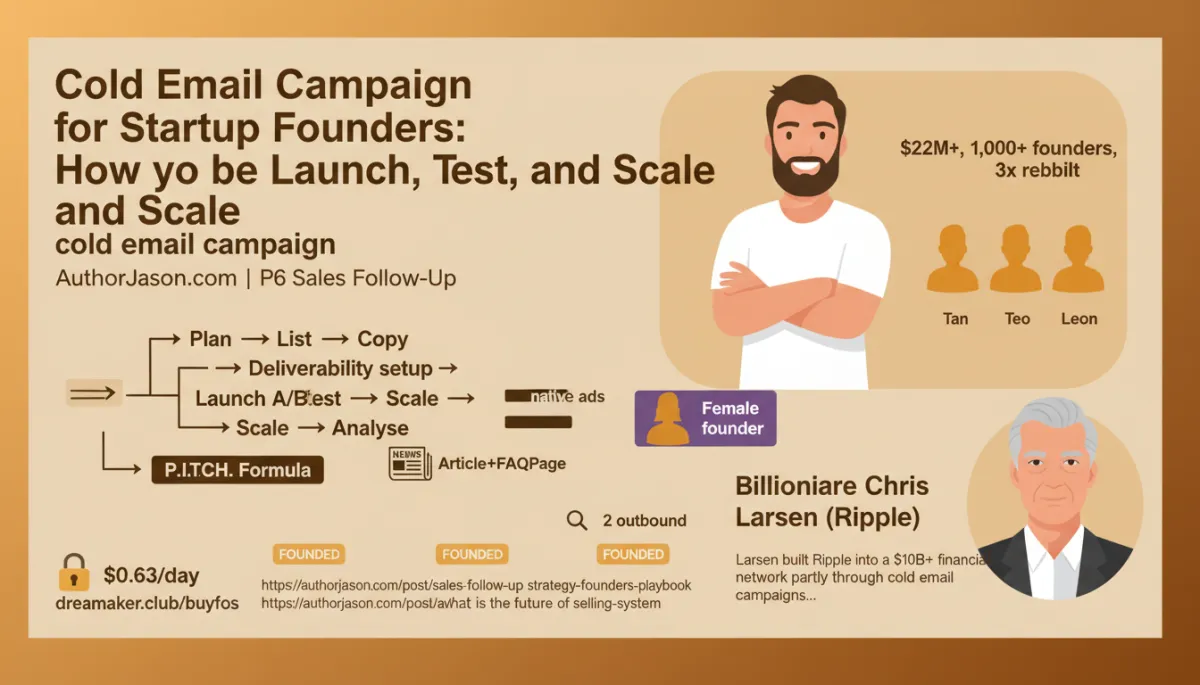
Most founders treat a cold email marketing campaign as a one‑off blast. Jason does the opposite. After helping 1,000+ founders generate $22M+ in pipeline, rebuilding his own outbound system three times, he treats every cold email campaign as a lifecycle: Plan → List → Copy → Deliverability setup → Launch → A/B test → Scale → Analyse.
Plan: Turn your campaign into a hypothesis test
Larsen did not “spray and pray” bank executives. He started with a clear hypothesis: a specific segment, a specific problem, and a specific offer. Jason uses the same framing with founders: “If we email this segment with this P.I.T.C.H. offer, then we should see X% replies and Y% meetings.” That clarity turns a cold email campaign into a measurable experiment instead of a random gamble.
List: Why inbox placement starts with who you email
In 2026, list quality is more important than list size. Research shows segmented, engaged lists can deliver up to 4× more opens and 3× more clicks than blasting everyone at once. For founders, that means:
- Tight ICP: job title, company size, tech stack, and trigger events (hiring, funding, new product).
- Clean data: verified emails, correct names, and up‑to‑date companies to reduce bounces and spam flags.
Good list hygiene improves inbox placement, because mailbox providers reward senders whose emails consistently get opened, clicked, and rarely bounced or marked as spam.
Copy: Use the P.I.T.C.H. Formula to write founder-led emails
Jason’s P.I.T.C.H. Formula gives founders a simple structure for cold email copy:
- P – Person: Show you know who they are (role, company, context).
- I – Issue: Name a painful, specific problem they actually feel.
- T – Transformation: Paint the “after” state in one clear sentence.
- C – Credibility: Add proof: clients, case studies, or numbers (Jason’s founders often reference $22M+ generated or 1,000+ founders helped).
- H – Hand‑raise: Close with a simple, low‑friction CTA like “Worth a quick 15‑minute call?”
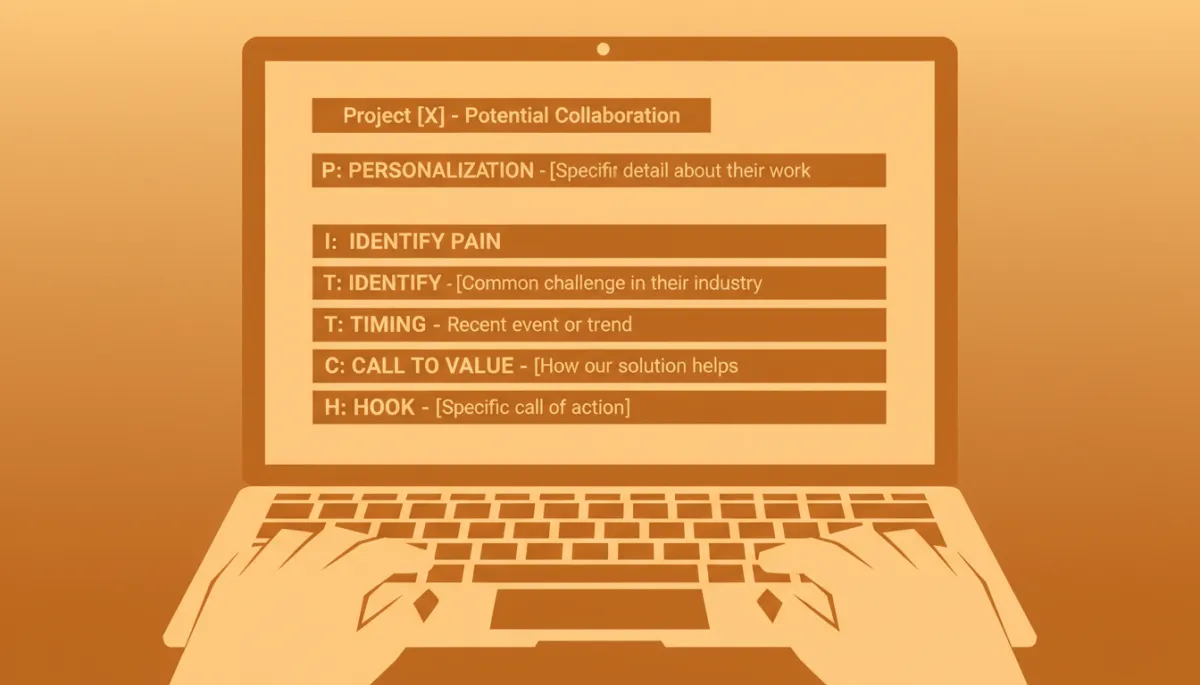
Simple, structured copy outperforms clever prose in most founder-led email campaigns.
Deliverability and Inbox Placement Rules Founders Can’t Ignore
In 2026, Gmail and Yahoo aggressively filter unauthenticated or low‑quality senders. Global inbox placement averages around 87%, but only when you follow basic deliverability rules:
- Authenticate your domain with SPF, DKIM, and DMARC before sending a single cold email campaign.
- Warm new sending domains gradually; start with tiny volumes and real, conversational emails.
- Avoid spammy patterns: all caps, misleading subject lines, link‑stuffing, and attachments to cold prospects.
Launch and A/B Test: One Variable at a Time
When Jason helps founders launch a new email campaign, he starts small: 50–75 emails a day for the first few days. That volume is enough to see patterns without damaging sender reputation if something goes wrong.
A/B testing methodology: how to avoid noisy data
In 2026, best‑practice A/B testing for cold email is still surprisingly simple: change one variable at a time. If you test subject line, email body, CTA, and send time all at once, you cannot know what drove the lift. Instead, Jason recommends this sequence:
- Test subject lines first to stabilize open rates.
- Then test first line personalization and core offer to improve replies.
- Finally test CTA wording and send times for marginal gains.
Each test needs a minimum sample size per variant—often 50–100 sends—to avoid reading random noise as a “winner.” This is exactly how Larsen treated his early outreach: as controlled experiments with clear stop‑loss rules if metrics dropped.
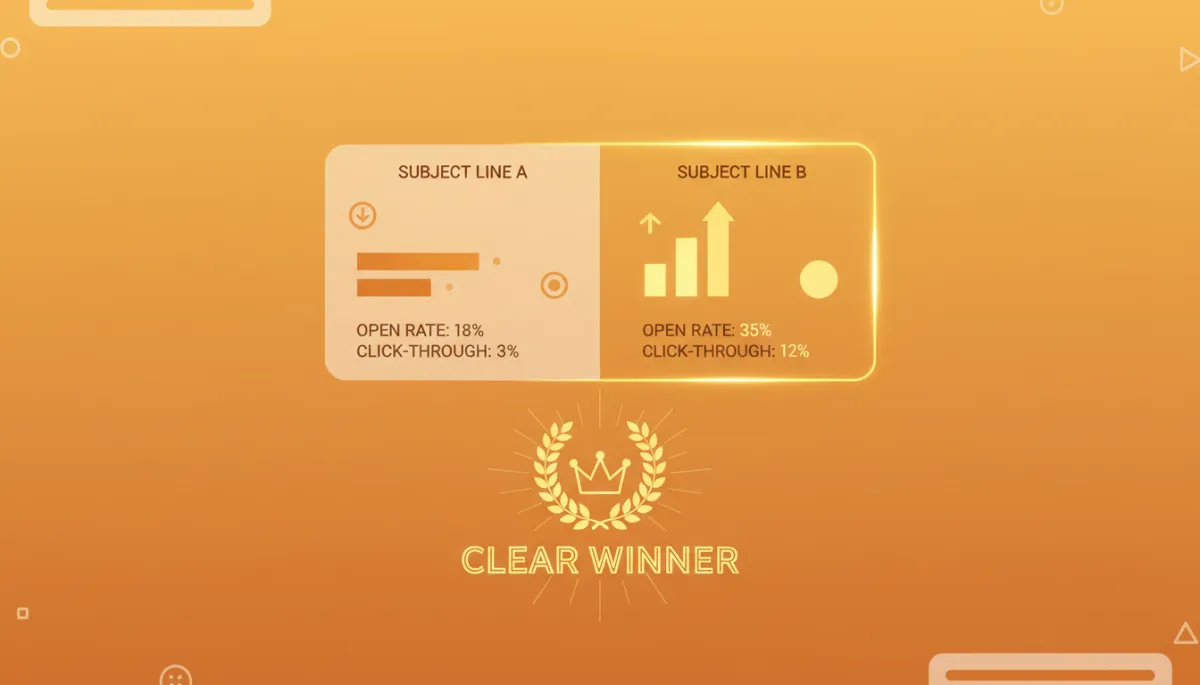
Treat each A/B test like a mini experiment with a clear, single hypothesis.
Scaling from 50 to 500 Sends per Day Without Burning Your Domain
Once a cold email campaign shows repeatable reply and meeting rates, founders naturally want to scale. Jason’s rule: scale only what is working, and do it gradually. A typical ramp looks like:
- Days 1–3: 50 emails/day while monitoring bounces, spam complaints, and reply tone.
- Days 4–7: 100–150/day if metrics stay healthy and inbox placement remains high.
- Weeks 2–3: 250–300/day, potentially across two sending inboxes to spread risk.
- Weeks 4+: 400–500/day, with strict list hygiene and ongoing A/B tests.
Scaling from 50 to 500 sends/day is safe when your bounce rate is under 3%, spam complaints are near zero, and replies contain real conversations rather than “unsubscribe” rage. If any of those indicators spike, Jason tells founders to pause, clean lists, and fix copy before sending more.
Reporting KPIs: What to Track Beyond Open Rates
With privacy updates inflating open rates, serious operators focus on deeper KPIs. For every email campaign, Jason has founders track:
- Delivered rate: total sends minus bounces; a proxy for list quality and domain health.
- Reply rate: real replies divided by delivered emails; your primary early KPI.
- Positive reply rate: interested responses versus total replies, separated from “not now” or “remove me.”
- Meeting rate: booked calls per 100 sends; the bridge between activity and revenue.
- Pipeline and revenue per email: long‑term, the only KPI that really matters.
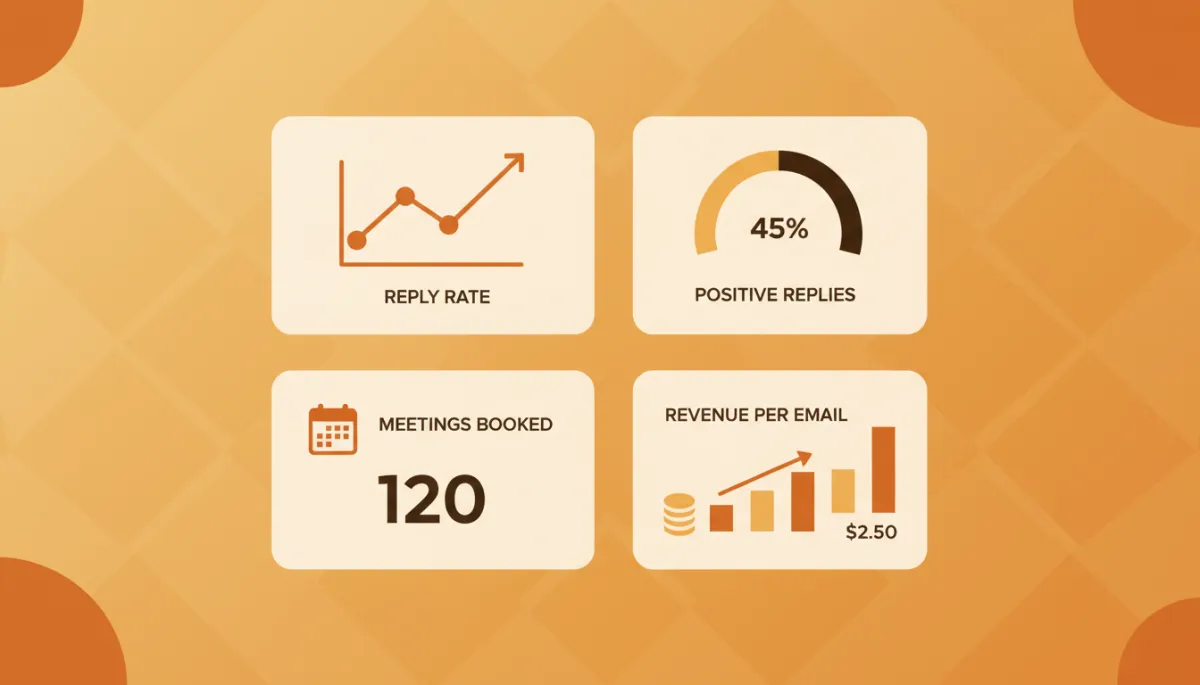
Founders who track meetings and revenue per email outgrow those chasing opens.
Follow-Up, Female Founders, and the P6 Sales Follow-Up System
Most deals do not close on the first touch. That is why Jason built the P6 Sales Follow-Up system: a structured sequence of polite, persistent follow‑ups that move prospects from “who are you?” to “let’s talk budget.” For many founders, especially female founders who often navigate additional bias in fundraising and enterprise sales, a clear follow‑up framework removes emotional friction and guesswork.
Combined with Jason’s future‑of‑selling systems thinking—outlined in this playbook—your cold email campaign becomes part of a coherent revenue engine, not just a noisy one‑off tactic.
People Also Ask: Cold Email Campaign FAQ for Startup Founders
How many emails should a startup send in its first cold email campaign?
Jason typically starts founders at 50 emails per day from one domain. That volume is enough to validate messaging without risking domain reputation. Once reply and meeting rates are stable, he gradually ramps toward 500/day across multiple inboxes and campaigns.
What is a good reply rate for a cold email marketing campaign?
For well‑targeted B2B campaigns, Jason aims for 10–20% total replies and at least 5% positive replies. If you are under those numbers, revisit your list quality, offer, and first line personalization before scaling volume.
How often should I follow up after the first cold email?
Most of Jason’s P6 Sales Follow-Up sequences include 5–7 total touches over 14–21 days. Each follow‑up adds new context, proof, or a different angle on the same problem, rather than “just bumping this to the top of your inbox.”
Do cold email campaigns still work in 2026 with all the filters and AI?
Yes—when they are targeted, personalized, and compliant. Industry data shows email still returns around $36 for every $1 spent, and often more in B2B. What no longer works is untargeted mass blasts. Jason’s founders win by combining smart automation with human‑sounding copy and strict list hygiene.
What tools should founders use to manage cold email campaigns?
Most early‑stage founders do well with a lightweight outbound platform, a verification tool, and a CRM. The specific stack matters less than following deliverability best practices and having clear KPIs. For deeper tool evaluations, resources from email marketing trend reports and digital marketing institutes can help.
How did founders like Tan, Teo, and Leon reach Tier 1 results?
Jason’s Tier 1 FINAL founders—Tan, Teo, and Leon—treated their cold email marketing campaign like a product: they iterated fast, respected inbox placement rules, and stuck to the P.I.T.C.H. structure. They combined disciplined A/B testing with the P6 Sales Follow-Up system to turn cold prospects into multi‑meeting opportunities.

Tier 1 founders treat cold email as a repeatable system, not a one-time stunt.
Native Ad: Build Your Founder-Led Outbound System for $0.63/Day
If you want to run cold email campaigns with the same rigor Larsen used—hypothesis‑driven, metrics‑obsessed, and built to scale—Jason packaged his rebuilt outbound system into FOS at just $0.63/day. Inside FOS, you get the exact templates, P.I.T.C.H. scripts, P6 Sales Follow-Up sequences, and reporting dashboards he uses with 1,000+ founders. Learn more at AuthorJason.com and turn your next cold email campaign into a predictable revenue asset instead of a guessing game.


