Email Copywriting for Founders: The Persuasion Framework That Converts
Email Copywriting, Sales Follow-Up, P6 Sales Follow-Up
Email Copywriting for Founders: The Persuasion Framework That Converts (What Billionaire Kevin Systrom Knew)
Founders do not have time for “cute” marketing — you need sales emails that get replies, book calls, and close revenue. Jason has helped 1,000+ founders generate more than $22M in tracked sales, rebuilt his own sales system three times, and distilled what works into a practical persuasion framework you can use in your next send. This article shows you how to use email copywriting as a reliable sales lever, not a creative gamble.

Why Plain Emails Still Win — From Instagram’s First Million Users to Your Next 10 Customers
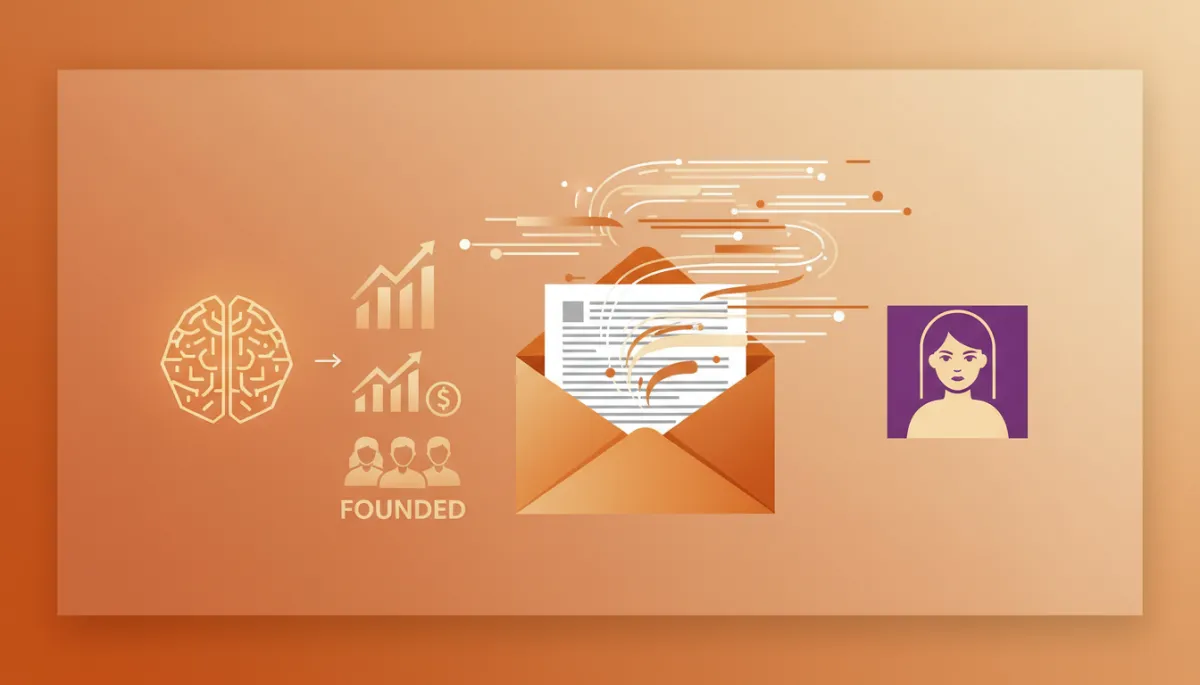
When Instagram was fighting for its first million users, Kevin Systrom relied on simple plaintext emails that felt like a real person reaching out. His rule was straightforward — write like one human to one human, never a brand to a crowd. Jason teaches founders a similar principle for copywriting for email: strip away the fluff, focus on persuasion, and make every line earn its place. That’s the foundation of the P6 Sales Follow-Up system and the P.I.T.C.H. Formula.
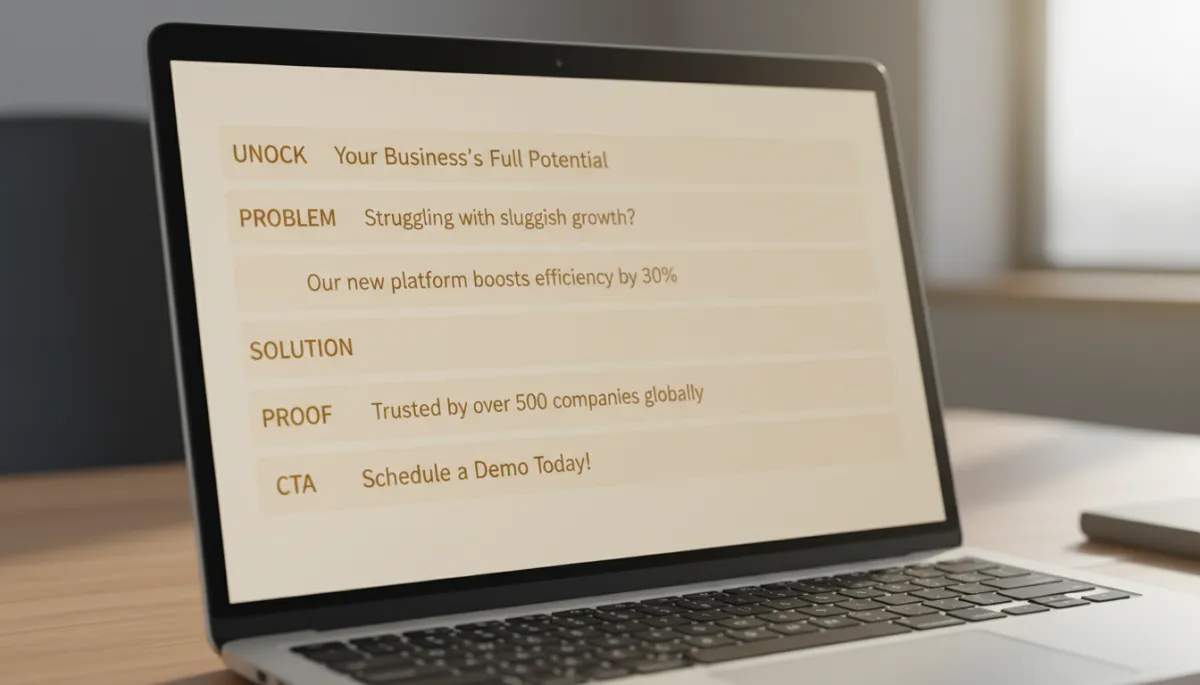
The Persuasion Framework: Hook → Problem → Solution → Proof → CTA
Jason’s work with founders — from Tan’s $29,693 in 16 days, to Teo’s 63 customers in 100 days, to Leon scaling from $2.5K to $2M+ — shows that consistent wins come from a repeatable structure. At the heart of his P6 Sales Follow-Up is a simple persuasion sequence you can apply to almost any sales email copy:
- Hook — A sharp opening line that earns the next sentence, often by tapping curiosity, contrast, or a specific outcome.
- Problem — A clear, grounded description of the pain your reader already feels in their own words.
- Solution — How your offer directly addresses that pain, kept concrete and outcome-focused.
- Proof — Specific examples, numbers, or short stories that show the solution working in the real world.
- CTA — One simple next step, with friction removed and expectations set.
This mirrors what Jason teaches inside FOS (Founders Operating System) — a daily, system-first approach to selling for just $0.63/day at dreamaker.club/buyfos. The framework is simple enough to remember on a busy day, yet powerful enough to drive Tier 1 FINAL results when you apply it consistently.
A simple, repeatable structure turns scattered follow-ups into a predictable sales system.
Subject Line Formulas That Earn the First Click
Your subject line is a micro–sales pitch for attention. Jason recommends three reliable angles for email copywriting that respects your reader’s time while lifting open rates.
How do you write curiosity-based subject lines without clickbait?
Curiosity lines hint at a gap in what your reader knows — then honestly close that gap inside the email. Examples:
- “The 9-minute follow-up that saved a $24K deal”
- “You were right about this — but one thing changed”
The rule: never hide the core topic. If it is a sales email copy touch for a demo, the reader should know that from the context, even if the exact words are not in the subject line.
How specific should your subject lines be to get replies?
Specificity builds trust. It signals that you are writing to them — not blasting a list. Examples:
- “Quick idea to recover your 17 stuck trials”
- “Follow-up on the 3 hiring gaps you mentioned”
Notice the numbers and references — they anchor the email in a real conversation or metric, which aligns with Jason’s system-first approach to selling.
What are examples of benefit-driven subject lines for founders?
Benefit-driven lines put the outcome front and center. They work well when you know the prospect’s priority. Examples:
- “Cut your onboarding replies in half this quarter”
- “A simple follow-up to rescue quiet pipeline deals”
Rotate these three angles — curiosity, specificity, benefit — across your sequences. Over time, your CRM data will show which angle your market responds to most.

Classifying subject lines by intent helps you track which angles consistently earn opens.
Three Costly Email Copy Mistakes Founders Keep Making
What happens when your emails try to do too much?
The first mistake is multi-goal emails. One message tries to book a call, share your story, ask for feedback, and announce a feature. The result — no single CTA is strong enough to move the reader. Jason advises founders to choose one primary outcome per email and let everything else support that outcome.
Why does “brand voice” often kill response rates?
The second mistake is hiding behind polished brand language. Founders adopt stiff phrases their prospects never use — “synergies,” “innovative solution,” “cutting-edge platform.” Remember Systrom’s rule: one human to one human. Read your copy out loud. If you would not say it to a friend, it probably will not land in an inbox either.
Are you burying your ask at the bottom of the email?
The third mistake is a weak or hidden CTA. Founders soften the ask so much that the reader is unsure what to do next. Jason recommends a clear, low-friction CTA — “Reply with ‘yes’ and I’ll send details,” or “Book a 15-minute call here,” with one link and no competing options.
Before-and-After Email Copy Rewrite Example
Below is a simplified example of copywriting for email pulled from patterns Jason sees in founder inboxes every week.
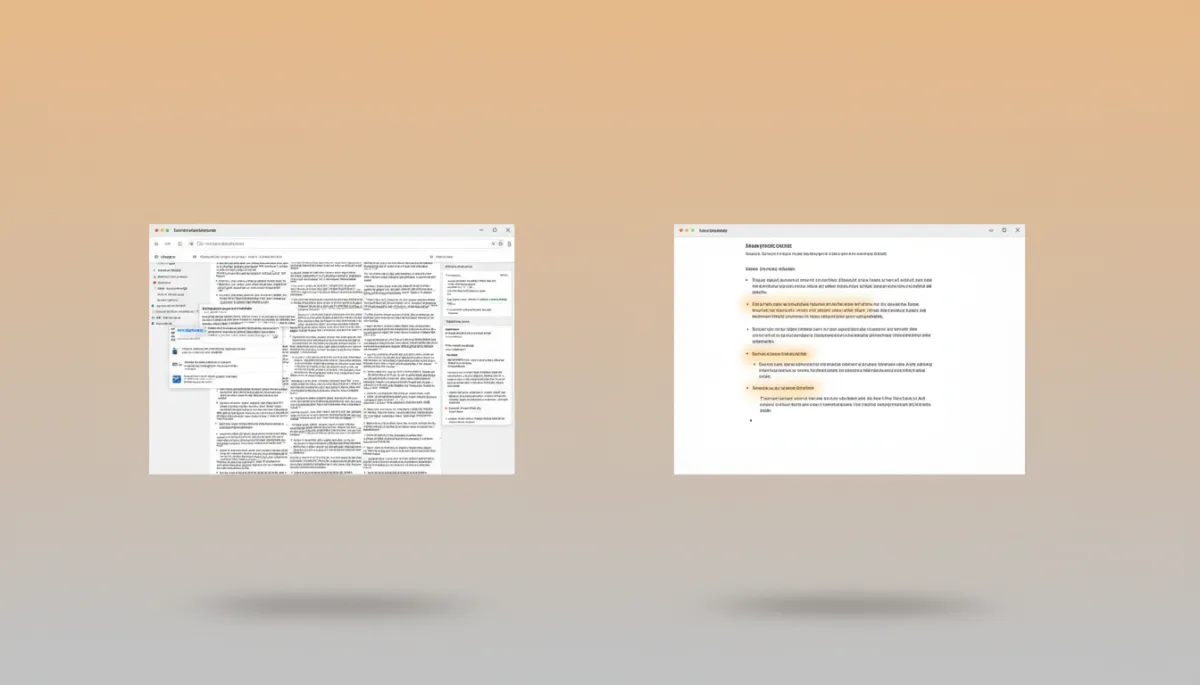
Before (unclear, brand-heavy):
“I wanted to follow up and share a bit more about our cutting-edge platform. We’ve been working with a number of innovative companies to help them streamline operations and drive efficiencies across their core processes. Let me know if you’d be open to a conversation sometime in the near future to explore potential synergies.”
After (Hook → Problem → Solution → Proof → CTA):
“You mentioned your team is chasing too many manual follow-ups.
Right now, a lot of your warm leads are probably going quiet — not because they are not interested, but because nobody owns the next email. That is where deals leak.
We built a simple follow-up system that sends the right email on day 2, day 6, and day 14 — so your team focuses on conversations, not remembering who to chase.
Founders using this sequence have turned stuck trials into $2K–$20K customers — one client added $29,693 in 16 days just by fixing their follow-ups.
If you’d like, reply with “sequence” and I’ll send the exact 3-email template we use.”
Small structural changes — not longer emails — often unlock the biggest jumps in response.
How to Test Your Email Copy with Small Sends
How can founders validate an email before sending it to the full list?
Jason treats every email as a mini-experiment. Instead of blasting 2,000 contacts at once, he recommends testing on a “scout group” — 25–50 leads who match your ideal customer. Watch three numbers:
- Open rate — tells you whether the subject line and sender name are working.
- Reply or click rate — shows if the body copy and CTA resonate.
- Time to first meaningful reply — how quickly real conversations start.
What should you change first when an email underperforms?
If opens are low, adjust the subject line — try a different angle (curiosity, specificity, or benefit) while keeping the same body. If opens are healthy but replies are weak, keep the subject line and rewrite the body using the Hook → Problem → Solution → Proof → CTA sequence. Change one major element at a time so you know what actually moved the needle.
How often should founders iterate on their follow-up sequences?
Jason’s P6 Sales Follow-Up philosophy is simple — iterate weekly, not yearly. Review a small slice of your pipeline every week, identify one or two underperforming steps, and run small tests. That is how Teo quietly stacked 63 customers in 100 days and how Leon transformed $2.5K months into $2M+ in revenue over time.

Direct, outcome-focused emails help female founders claim the revenue their products already deserve.
From Scattered Emails to a System: Next Steps for Founders
Email will keep being one of the highest-leverage channels for founders — especially when your copy is rooted in a clear framework, not guesswork. Start by rewriting one key follow-up using Hook → Problem → Solution → Proof → CTA. Then, test it with a small send, track the numbers, and adjust. Over a quarter, this discipline compounds into a sales system you can trust.
If you want a deeper breakdown of how Jason structures entire follow-up sequences, read his sales follow-up strategy playbook for founders. For a broader view of how the P.I.T.C.H. Formula fits into the future of selling, explore his system overview and adapt it to your own pipeline. For additional perspective on modern B2B outreach, you can also study resources from Gong’s sales email breakdowns or HubSpot’s practical email tips — then layer Jason’s system on top.
Native Ad — FOS for Founders Who Need Sales Systems, Not Random Wins
If this article clicked, FOS (Founders Operating System) gives you the daily structure behind it — including the P6 Sales Follow-Up, the P.I.T.C.H. Formula, and real examples from Tan, Teo, and Leon. It is $0.63/day, built for founders who want the kind of simple, human emails that helped billionaire Kevin Systrom grow Instagram’s early user base — and who are ready to turn that clarity into consistent revenue. Learn more at dreamaker.club/buyfos.


