Email Sequence for Founders: The 7-Email Series That Moves Prospects to Yes
Sales, Email Sequence, Founder-Led Sales
Email Sequence for Founders: The 7-Email Series That Moves Prospects to Yes (Inspired by Billionaire Scott Cook)
As a founder, you are busy building product, talking to customers, and putting out fires — yet your growth depends on consistent follow-up. A well-built email sequence for sales can quietly do that work in the background, educating, nurturing, and converting prospects while you stay focused on the business. This guide walks you through a proven 7-email sequence structure that turns cold interest into warm, qualified “yes” decisions.
Why Founders Need a Strategic Email Sequence for Sales
Billion-dollar companies have quietly relied on structured email sequences for decades. Cook grew Intuit by sending simple, clear messages that taught small business owners how to run better books before ever pushing for a sale. The principle is timeless — the sequence that teaches first earns the sale last. For founders, the same approach works whether you sell SaaS, services, or a productized offer.
Jason, creator of the P6 Sales Follow-Up system at AuthorJason.com, has helped more than 1,000 founders generate over $22M in tracked revenue using structured drip email sequence campaigns. He has rebuilt his own follow-up engine three times, each time making it simpler, more predictable, and more aligned with how founders actually work day to day. The 7-email sequence below is the Tier 1 FINAL version — the same backbone behind wins like Tan’s $29,693 in 16 days, Teo’s 63 customers in 100 days, and Leon’s growth from $2.5K to $2M+ in sales.
The 7-Email Sequence Structure: From Awareness to Follow-Up
A winning email sequence is not a random set of messages — it is a narrative. Each email has a specific job in moving a prospect from “Who are you?” to “This solves my problem” to “Yes, I am in.” Here is the 7-email structure Jason uses with founders:
- Email 1 — Awareness: Introduce who you are, who you help, and the core problem you solve, without pitching.
- Email 2 — Problem: Deepen the pain, clarify the stakes, and show that you understand their world better than they do.
- Email 3 — Education: Teach a simple, practical framework or insight they can use immediately, no opt-in required.
- Email 4 — Credibility: Share your story, your scars, and why you are uniquely qualified to help solve this problem.
- Email 5 — Proof: Show specific, quantified results from clients or users — names, timelines, and numbers.
- Email 6 — Offer: Present a clear, focused offer with one call to action, one deadline, and one outcome.
- Email 7 — Follow-Up: Gently re-open the door, answer lingering objections, and invite a final “yes” or “not yet.”
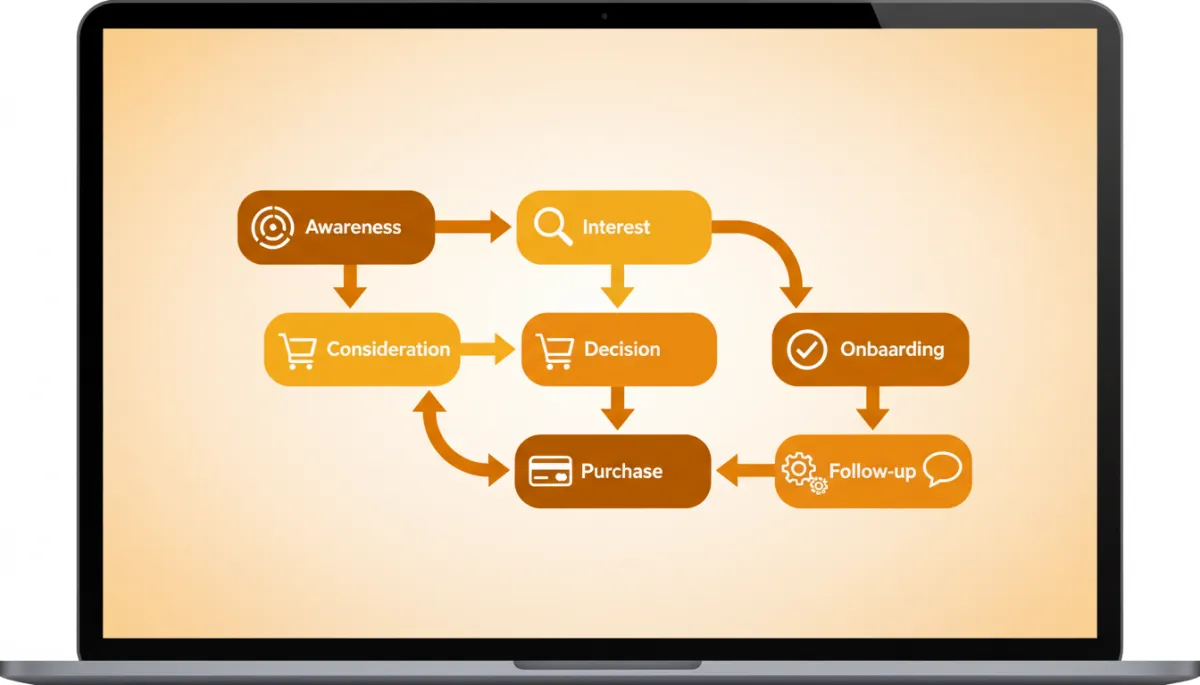
A clear seven-step structure keeps every email focused on one job.
What is the ideal timing between emails in a sales sequence?
Timing is where most founders overthink — or under-execute. Jason recommends a simple cadence for a drip email sequence that respects attention while maintaining momentum:
- Email 1–3 (Awareness, Problem, Education): Send daily, or every 24 hours. You are building context and trust quickly while interest is highest.
- Email 4–5 (Credibility, Proof): Send every 2 days. This gives space for reflection while still keeping your name at the top of the inbox.
- Email 6–7 (Offer, Follow-Up): Send 2–3 days apart, tightening the focus on decision and next steps.
For B2B founders selling to busy executives, lean slightly longer — especially between Proof and Offer. For B2C founders, shorter gaps often work better, as buying cycles are faster and more emotional.
How should I split test subject lines in my email sequence?
Subject lines are the gateway metric — if they do not get opened, nothing else matters. Jason’s approach is to test for clarity first, curiosity second. For each critical email in your email sequence, create two versions:
- Version A: direct and clear (“The 7-email sequence founders use to close deals”).
- Version B: curiosity-driven (“Why most founder follow-up dies after day three”).
Test one variable at a time, and let at least a few hundred sends accumulate before calling a winner. Over time, you will see patterns — some audiences respond better to straightforward benefit-driven lines, others to short, open loops. Tools like MailerLite, ActiveCampaign, or ConvertKit make these A/B tests simple to run.
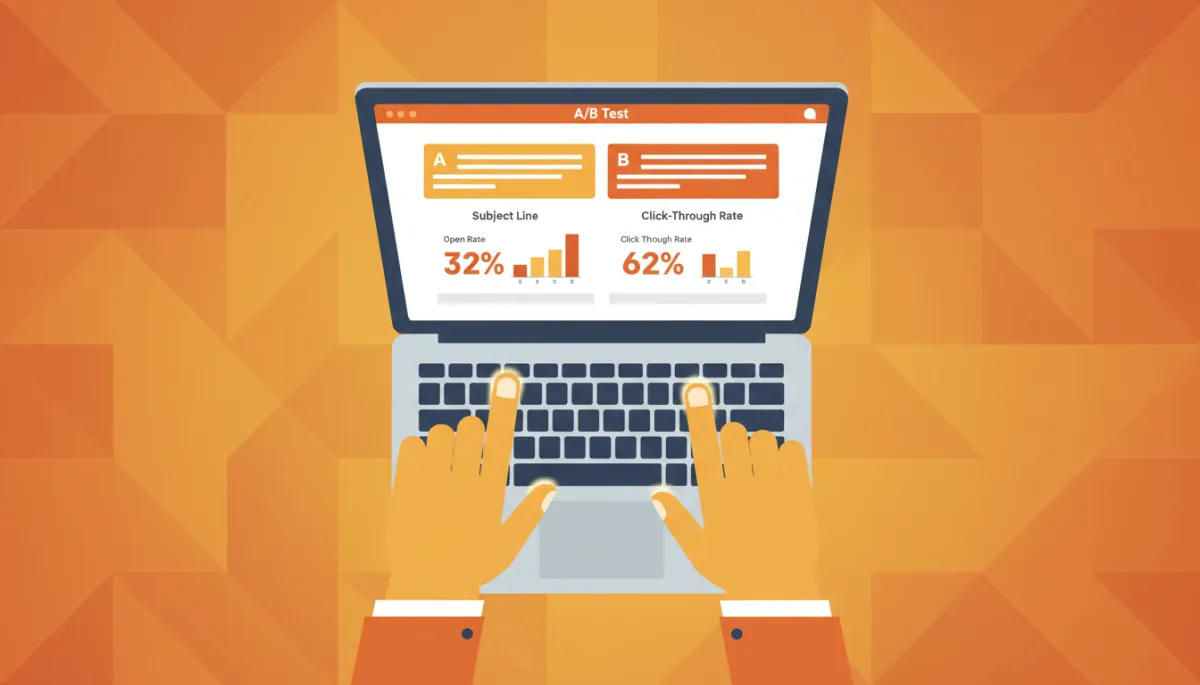
Small subject line tests compound into large gains in open rates over time.
How do I branch my email sequence based on subscriber behaviour?
Behaviour-based branching turns a static drip email sequence into a responsive conversation. Instead of treating every subscriber the same, you adjust based on what they do:
- Opens but does not click: Keep them in the main 7-email sequence, but add a follow-up that simplifies the call to action — one clear next step, no extras.
- Clicks on your offer: Move them to a short, high-intent branch — two or three emails focused on FAQs, objections, and social proof.
- Does not open multiple emails: Trigger a re-engagement email with a different angle or even a plain-text message from your personal founder address.
You do not need complex automation to start — even one simple branch for high-intent clickers can meaningfully lift conversions. Over time, you can add more paths as data and revenue justify the extra complexity.
What are the key differences between B2B and B2C email sequences?
The core 7-email structure stays the same, but emphasis shifts depending on whether you sell B2B or B2C:
- B2B: Longer sales cycles, multiple stakeholders, and rational justification. Lean harder on Education, Credibility, and Proof. Include metrics, ROI stories, and process visuals. Timing can be slightly slower, and calls to action often point to a call or demo.
- B2C: Shorter cycles, individual decisions, and emotional triggers. Emphasize vivid Problem stories, fast-win Education, and lifestyle-oriented Proof. Timing can be faster, with more frequent offers and urgency-based Follow-Up emails.
Regardless of market, founders who keep their tone grounded, honest, and respectful of the reader’s time tend to see better results than those who rely on hype or pressure.
How does the P.I.T.C.H. Formula fit inside a 7-email sequence?
Jason’s P.I.T.C.H. Formula gives founders a simple lens for each message: Position, Insight, Tension, Case, and Help. Inside the 7-email sequence, that looks like:
- Awareness and Problem emails: Position who you help, then build Tension around the cost of inaction.
- Education and Credibility emails: Share Insight and your Case — the way you see the problem and your lived experience solving it.
- Proof, Offer, and Follow-Up emails: Reinforce the Case with results, then make a clear Help offer that feels like the natural next step.
What metrics should founders track to improve their email sequences?
You do not need a complex dashboard to run a powerful email sequence for sales. Start with four simple metrics:
- Open rate by email (subject line and sender trust).
- Click-through rate on key calls to action.
- Reply rate, especially to Proof, Offer, and Follow-Up messages.
- Revenue or booked calls per 100 subscribers who enter the sequence.
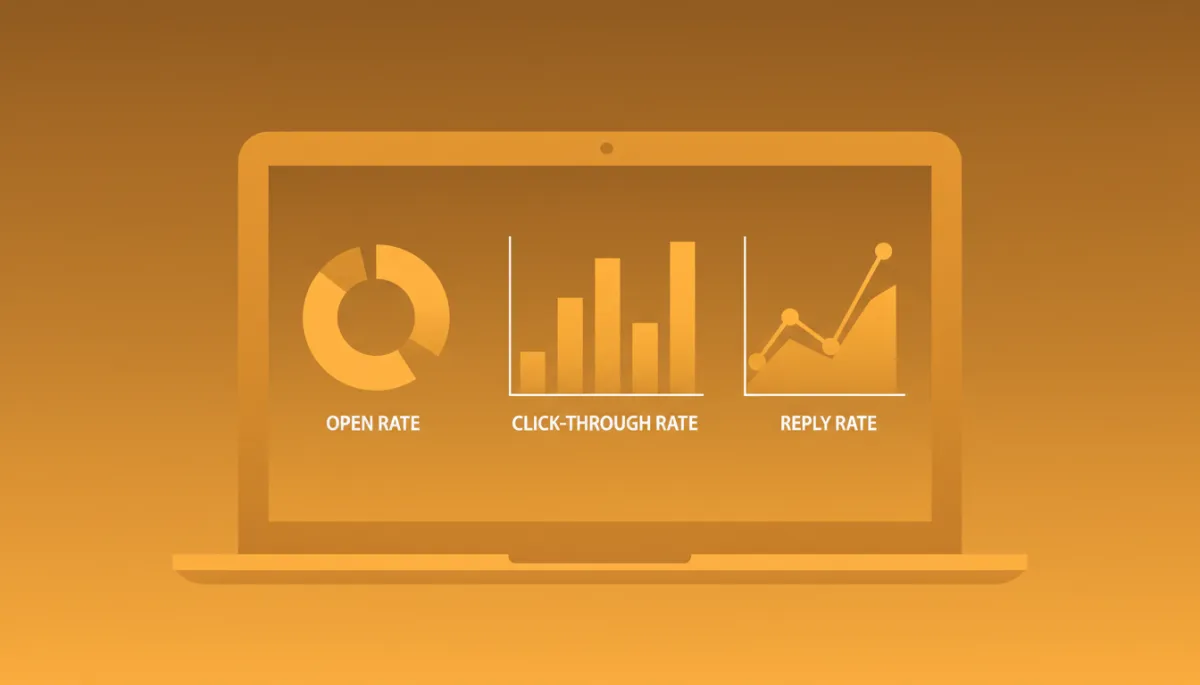
Simple metrics give founders enough signal to refine each step in the flow.
Where can founders learn a complete sales follow-up system?
A 7-email sequence works best when it sits inside a larger, intentional follow-up strategy. Jason’s P6 Sales Follow-Up framework, detailed in his sales follow-up strategy playbook, shows founders how to connect email, social touchpoints, and live conversations into one coherent system. It is designed specifically for founder-led sales — no giant team, no complex CRM build required.
If you want broader context on how selling itself is changing, this overview from HubSpot on modern sales strategies pairs well with Jason’s work, as does this McKinsey perspective on the future of B2B sales. Together, they reinforce the same idea Cook proved at scale — consistent, educational follow-up wins.
Turn Your Inbox into a Quiet, Predictable Sales Engine
The founders Jason works with are not looking for more noise — they want a dependable, low-drama way to turn attention into revenue. A simple, well-designed 7-email sequence, built on education and proof, does exactly that. It respects your prospect, it reflects your values, and it scales better than any heroic burst of manual outreach ever could.

When your sequence teaches first, sales arrive more naturally and consistently.
If you are ready to install this into your own business, Jason’s FOS — Follow-Up Operating System — gives you the templates, timelines, and behaviour-based branches to do it quickly. For less than $0.63 per day, founders inside dreamaker.club use FOS to deploy Tier 1 FINAL sequences that mirror the same principles Cook used at Intuit, but tuned for lean, modern teams. You can get access at dreamaker.club/buyfos and start building an email sequence that quietly moves prospects to “yes” while you keep building the company.
As Billionaire Scott Cook proved — the founder who commits to teaching through their email sequence today is the one whose brand is still winning customers a decade from now.


