How to Collect Emails as a Startup Founder: 7 Sources That Build a Real List
Email Marketing, Startup Growth, Lead Generation
How to Collect Emails as a Startup Founder: 7 Sources That Build a Real List (Billionaire Jack Dorsey Edition)
If you are a startup founder wondering how to collect emails in a way that actually turns into sales, you are not alone. Jason, founder of AuthorJason.com, has helped more than 1,000 founders generate over $22M in pipeline and revenue by fixing one quiet problem—weak, scattered email collection. He has rebuilt his own list three times, so he knows what survives pivots, bad quarters, and product rewrites: a real, responsive email list you own.

Dorsey’s early growth playbook at Twitter was simple but relentless—capture email everywhere. Every signup, every notification, every shared post fed a loop that pulled people back. That same mindset works for you as a founder, even if you are pre-seed and bootstrapping. The question is not just how to collect emails, but how to design sources that build a list of buyers, not just bystanders.
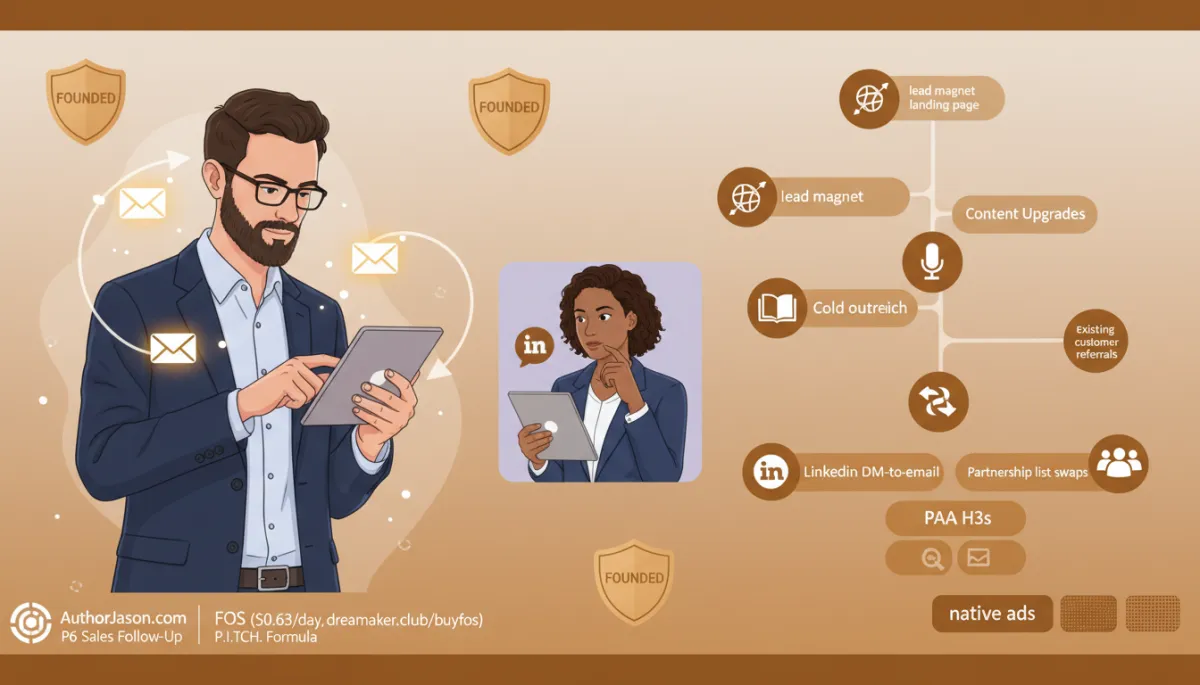
In this guide, you will learn seven reliable email collection sources, how they fit into a modern founder sales motion, and how Jason’s P.I.T.C.H. Formula and FOS system (just $0.63/day at dreamaker.club/buyfos) help you turn those emails into booked calls and closed deals. We will also link out to Jason’s Sales Follow-Up Strategy: Founder’s Playbook and his breakdown of what is the future of selling system so you can plug your new list into a real follow-up engine.
Why your email list is the asset that survives every pivot
Social algorithms change, ad costs spike, partners disappear. But if you build a list the way Jason teaches—intent-rich, segmented, and nurtured—your email list becomes the one channel you control. It is how you test offers in a weekend, how you launch a new feature without begging for reach, and how you keep sales conversations warm between funding cycles. That is exactly why Tier 1 founders like Tan, Teo, and Leon moved into Jason’s FINAL tier—because they wanted a list that could fund their next move, not just flatter their vanity metrics.
1. Lead magnet landing page – your always-on email engine
When founders ask how to collect emails, Jason starts here: a focused lead magnet landing page. One problem, one promise, one form. No feature tour, no “About Us” detour—just a clear trade: “Give me your email, I will give you something that moves you closer to a result you already care about.”
- Example tactic: a 7-step checklist for closing your first 10 B2B customers, delivered instantly by email, with a follow-up sequence that shows how your product removes three steps from that checklist.
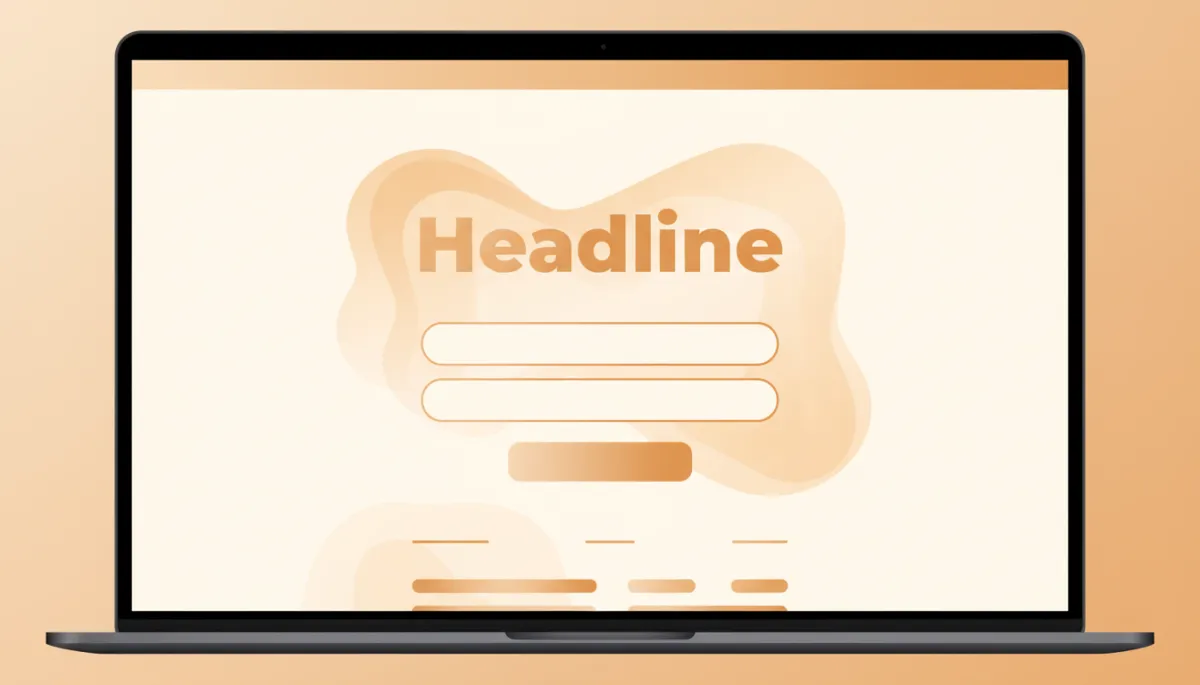
A single focused landing page often outperforms complex websites for email collection.
2. Content upgrades – turn readers into subscribers on the spot
If you publish content and you are not using content upgrades, you are leaving email collection on the table. A content upgrade is a bonus that is tightly matched to a specific article—think templates, scripts, or deeper breakdowns. Someone reading about founder sales follow-up is primed to trade an email for a follow-up email script bundle right now, not “someday.”
- Example tactic: at the end of a blog post on founder sales calls, offer a downloadable “First 5 Sales Call Questions” PDF, unlocked via email. The PDF then links back to your product as the easiest way to track and act on those answers.
3. Cold outreach → email ask – from strangers to subscribers
Cold outreach is not just about booking meetings. Used correctly, it is a powerful email list builder. Instead of pushing for a call in the first message, Jason often recommends a softer path: offer a sharp, relevant resource, then ask permission to follow up via email. This keeps you compliant, respectful, and memorable.
- Example tactic: send a short LinkedIn InMail or cold email to ICP prospects offering a “5-slide board-ready snapshot” of their current problem space. When they say yes, you ask, “What is the best email to send this to?”—and add them to a segmented list with clear expectations.
This is where P.I.T.C.H. shines. You are not spamming; you are diagnosing a problem, quantifying impact, and offering a next step that feels like a favor, not a funnel.
4. Events and webinars – capture intent while attention is highest
Events—whether conferences, workshops, or webinars—are underrated email collection engines. Anyone who registers or attends has already raised their hand. Jason coaches founders to design every event with three deliberate email capture moments: registration, live engagement, and replay delivery.
- Example tactic: for a webinar on “How founders can run P6 Sales Follow-Up in 30 minutes a day,” require email for registration, run live polls that ask if attendees want the P.I.T.C.H. templates sent after, and send a replay plus a 72-hour bonus offer to book a strategy call.

Well-structured webinars can capture dozens of high-intent emails in a single session.
5. LinkedIn DM-to-email – move people from rented land to owned land
LinkedIn is phenomenal for starting conversations, but Jason is clear: do not keep your entire relationship trapped inside a platform you do not control. A simple DM-to-email move can grow your list with people who already recognize your name and value your perspective.
- Example tactic: when someone comments on your post about founder sales follow-up, reply in public, then send a DM: “I put together a short P6 follow-up checklist for founders—happy to send it over. What is the best email?” You are offering something precise, not a generic “newsletter.”
6. Partnership list swaps – borrow trust, do not burn it
Partnership list swaps are one of the fastest ways to build email list volume—if you are careful. The idea is simple: you and a non-competing partner introduce each other to your lists. But Jason insists on one rule: the partner must be someone you would confidently introduce to a close friend, not just anyone with a big audience.
- Example tactic: co-host a short masterclass with a complementary founder, then each of you sends a dedicated email to your lists inviting them to opt into the other’s “extended session notes.” Subscribers join by choice—no one is silently added without consent.

Thoughtful list swaps can accelerate growth while preserving hard-earned audience trust.
7. Existing customer referrals – your warmest source of new emails
Your best source of high-intent email collection is usually right in front of you—your existing customers. They already trust you, already pay you, and likely know two or three peers who have the same problem. Jason builds referral prompts directly into onboarding, QBRs, and renewal cycles so founders are not “hoping” for referrals; they are designing for them.
- Example tactic: after a customer hits their first meaningful milestone, send a short email: “If you know a founder who wants the same result, reply with their email and I will send them the same 10-minute setup guide you used—no pressure, no sales pitch unless they ask.” This respects relationships while growing your list with people who look like your best buyers.
How does email collection connect to P6 Sales Follow-Up?
Collecting emails is half the game; consistent, respectful follow-up is the other half. Jason’s P6 Sales Follow-Up approach—planning, personalization, proof, pacing, persistence, and post-close—turns a static list into a living pipeline. Every new subscriber from your seven sources drops into a clear journey, not a random newsletter blast.
FAQ: Common founder questions about email collection
How many emails do I need before I start selling?
You do not need thousands. Jason has seen founders close five-figure deals from lists under 200 people because those subscribers were tightly qualified. Start selling as soon as you can segment by problem and send messages that feel 1:1, even if they are automated.
What tools should I use to build and manage my list?
Early on, simple beats sophisticated. A reliable email service provider, a clean landing page builder, and a basic CRM or spreadsheet are enough. As you grow, you can explore more advanced systems—platforms like HubSpot or customer.io, or even specialized tools you will find on sites such as G2’s marketing automation category.
How often should I email my list as a founder?
Jason recommends at least once a week. Consistency builds trust. Share short, specific stories from your customer base, behind-the-scenes product decisions, and clear calls to action. If you go silent for months, every new message feels like an interruption instead of a continuation.
What is the biggest mistake founders make with email collection?
The biggest mistake is treating email collection as a side quest instead of a core growth system. That shows up as random pop-ups, outdated lead magnets, and no clear follow-up. Your list should be designed, not accidental—just like your product roadmap.
How do I keep my list from going cold?
Use consistent P6-style follow-up—short check-ins, relevant case studies, and low-friction offers to talk. Re-engagement campaigns can also help: ask subscribers to click the topics they care about, then send fewer but sharper emails to those who respond.
Is it worth investing money into email growth this early?
Yes—if you have a clear path from subscriber to conversation to revenue. That is why Jason built FOS, his selling system that runs for about $0.63/day. Instead of random tools, you get a structured way to turn email collection into booked calls and signed contracts, even in the earliest stages.
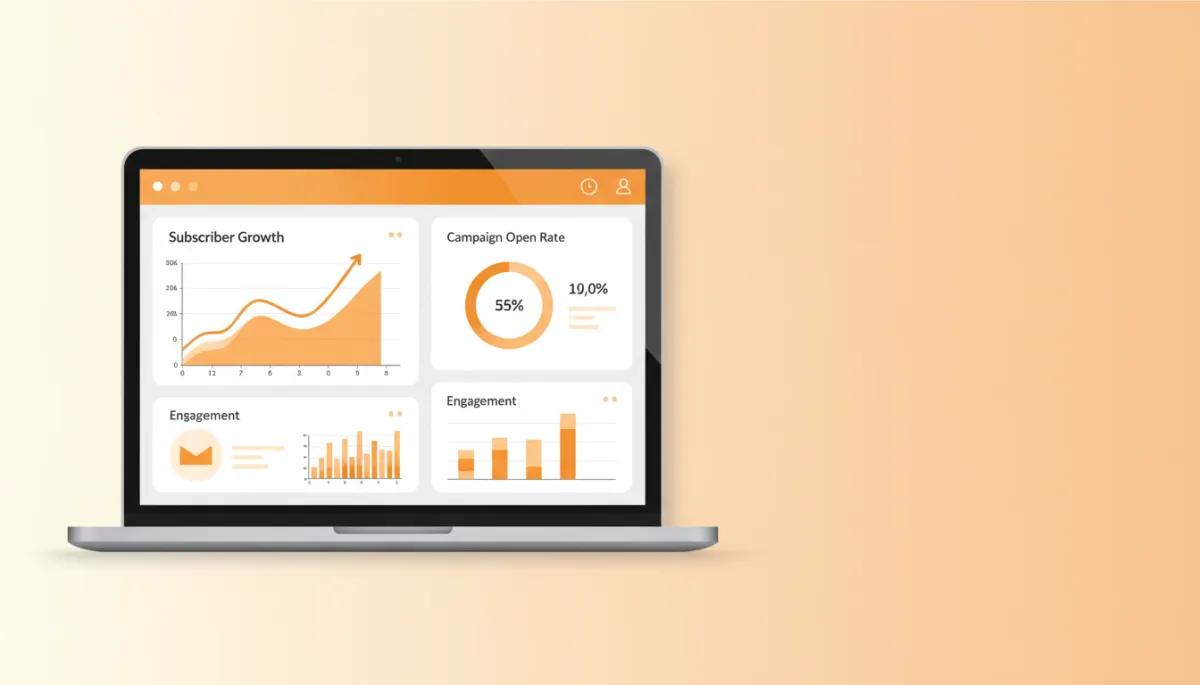
A predictable system beats sporadic campaigns when building a long-term email asset.
Turn your new email sources into a selling system
Dorsey treated email as a loop, not a one-time capture. Jason does the same with founders—every lead magnet, content upgrade, DM, event, partnership, and referral feeds a simple, repeatable P6 follow-up rhythm. That is how Tier 1 founders in his FINAL cohort, like Tan, Teo, and Leon, turned small lists into serious revenue.
If you want help wiring these seven sources into a real system, explore Jason’s FOS program at dreamaker.club/buyfos. It is built for founders who want their email collection to lead to one thing—more high-quality sales conversations, without burning out their calendar or their list, just like billionaire Jack Dorsey did when he turned early email loops into compounding growth.


