Introduction Email for Founders: The Formula That Makes Every Follow-Up Easy
Founders, Sales Follow-Up, Introduction Email
Introduction Email for Founders: The Formula That Makes Every Follow-Up Easy (Billionaire Indra Nooyi Edition)
A simple, repeatable introduction email formula can quietly add millions in pipeline for founders. This guide breaks down the structure Jason teaches inside P6 Sales Follow-Up so every follow-up feels natural instead of needy.

Why Your Introduction Email Quietly Decides Every Future Follow-Up
Jason has helped 1,000+ founders generate over $22M in trackable revenue, rebuilding his own sales follow-up system three times before it finally became simple enough to teach. Again and again, he saw the same pattern: when the first introduction email is clear, respectful, and valuable, every follow-up feels like a service. When it is vague or self-centered, every follow-up feels like a nag.
Think of your introduction email as the “contract” that gives you permission to follow up. You are setting expectations about who you are, why you are writing, what value you bring, and what happens next. Get that right, and you can follow up five, ten, even fifteen times without feeling pushy—because you are simply continuing the promise you made in the first message.
The 5-Part Introduction Email Formula (Hook + Context + Value + Ask + CTA)
Inside P6 Sales Follow-Up, Jason teaches founders to treat every business introduction email like a tiny landing page. One screen, one clear story, one next step. The structure is simple:
- Hook – The first line that proves you are relevant and worth 10 more seconds of attention.
- Context – Who you are, how you are connected, and why you are reaching out now.
- Value – A specific outcome, insight, or asset that helps them, even if they never reply.
- Ask – A clear, low-friction request that respects their time and authority.
- CTA – The exact next step, with a simple way to say yes or no.
This works whether you are writing a cold introduction email, a warm referral introduction email, or a re-introduction after months of silence. You can keep your favorite introduction email template, but if it does not hit all five elements, your follow-up sequence will always feel like you are chasing instead of leading.
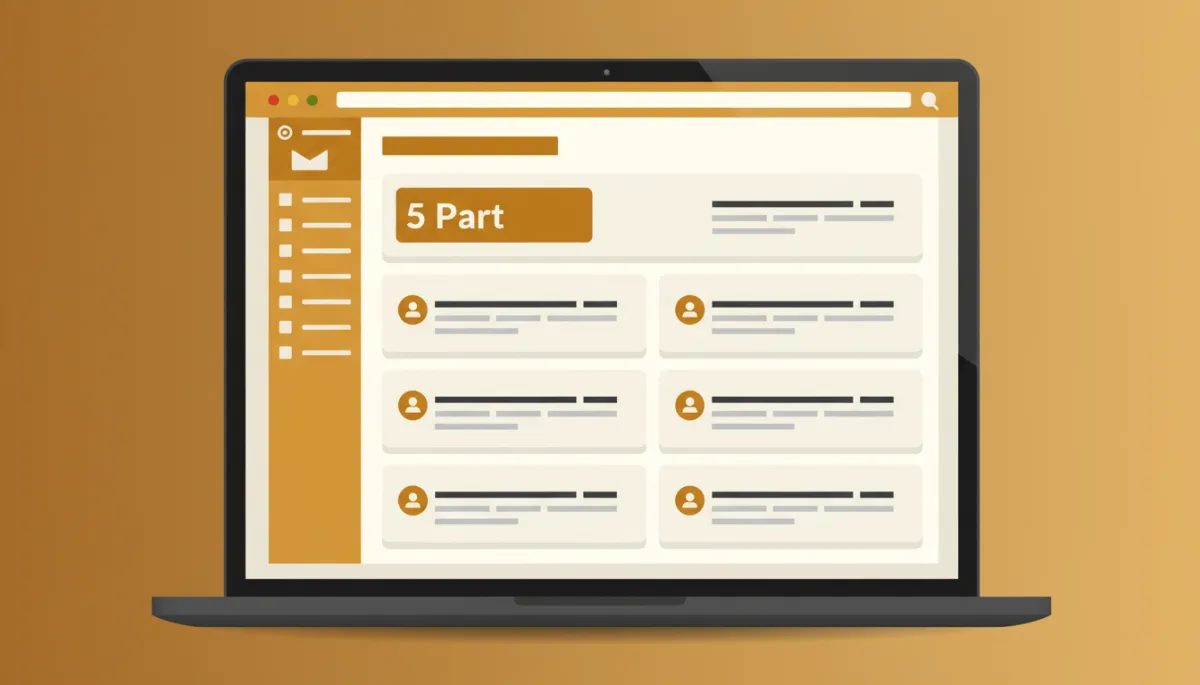
A simple five-part structure turns scattered outreach into a predictable system.
Example #1: Cold Introduction Email Template for Busy Decision-Makers
A cold business introduction email has the hardest job: no relationship, no context, and usually no time on their calendar. That is why Jason keeps it short, specific, and anchored in a result they already care about.
Subject: 7–12% lift in demo-to-close for B2B SaaS like <Their Company>

Hook: Saw your team hiring 3 new AEs while expanding into <Region>.

Context: I’m <Name>, founder of <Startup>. We help B2B SaaS teams turn
“good demos” into predictable closes by fixing the follow-up, not the script.

Value: In the last 12 months, founders we work with have added
$22M+ in closed revenue by tightening their first 5 emails after a demo.

Ask: If increasing demo-to-close by even 5% would matter this quarter,
is it worth a 15-minute look at the playbook?

CTA: If yes, reply “15 works” and I’ll send 2 time options,
or feel free to say “not now” and I won’t keep following up.
Notice how the hook ties directly to something observable, the context is one clean sentence, the value is quantified, the ask is specific, and the CTA gives them an easy out. That “permission to say no” is what makes future follow-ups feel respectful instead of relentless.
Example #2: Warm Referral Introduction Email That Honors the Referrer
A warm referral introduction email has an extra responsibility: protect the relationship with the person who connected you. Jason keeps the email tight, makes the referrer look good, and still uses the same five-part structure.
Subject: Intro from <Referrer> re: scaling founder-led sales

Hook: <Referrer> mentioned you’re in the “too many warm leads,
not enough time to follow up” phase.

Context: I’m <Name>, founder at <Startup>. I built the P6 Sales
Follow-Up system after working with 1,000+ founders who were drowning
in half-finished conversations.

Value: Quick win: I can share the exact 7-email sequence that took one
founder from “ghosted after first call” to 31% reply rate on follow-ups.

Ask: Would you be open to a short call to see if that sequence
fits your current pipeline?

CTA: If yes, reply with “sequence” and I’ll send a link to book.
If now’s not the right time, a quick “later” keeps me from bugging you.
This kind of email introduction makes the referrer look smart for connecting you, gives the prospect a concrete reason to care, and sets up future follow-ups as simple nudges: “Circling back on that P6 sequence I offered to share.”

Founders who standardize their introduction emails reclaim hours of mental energy each week.
Example #3: Re-Introduction Email After Months of Silence
Every founder has a graveyard of half-finished deals. Jason rebuilt his own follow-up system three times before he found a re-introduction email that could revive cold threads without sounding guilty or desperate. The key is to own the silence, re-state the value, and offer an easy next step.
Subject: Quick re-intro + updated numbers since we last spoke

Hook: We talked a few months back about tightening your team’s follow-up.
I dropped the ball on circling back — that’s on me.

Context: Since then, we’ve helped a few similar teams add 5–18%
more closed revenue just by fixing their introduction email and first
3 follow-ups.

Value: If you’re still thinking about improving reply rates, I can send
you the latest 3 introduction email templates founders are using right now.

Ask: Are you still exploring this, or did priorities change?

CTA: Reply with “still exploring” and I’ll send the templates,
or “not a fit” and I’ll close the loop on my side.
Here, the re-introduction email resets the relationship with honesty, offers fresh value, and asks a simple question that makes it easy to re-engage without pressure. Future follow-ups simply reference the same value and question, instead of inventing new stories every time.
What Is a Strong Introduction Email for a Founder?
How do you write an introduction email that people actually answer?
A strong founder introduction email does three things in the first screen: proves you understand their world, offers a specific outcome, and makes the next step feel safe. That is why the Hook, Context, and Value sections matter more than clever subject lines. Jason often tells founders: if your email introduction can be copy‑pasted to any industry, it is too vague to work.
What should you include in a business introduction email?
At minimum, include who you are, how you are connected, what result you can help them achieve, and what you are asking for right now. Many founders over-explain their product and under-explain the value. Jason recommends writing your introduction email template like a headline plus three bullets: current pain, desired outcome, and time-bound win you can deliver.
How long should a founder’s email introduction be?
For first-touch outreach, aim for 75–150 words. Long enough to establish credibility and value, short enough to read on a phone without scrolling twice. If you need more detail, link to a short page instead of cramming it into the email. Jason’s own follow-up system leans on this article and his Sales Follow-Up Strategy: Founder’s Playbook as “extended context” rather than bloating the first message.
How many times can you follow up after an introduction email?
If your first introduction email clearly promised value and gave them an easy way to say no, you can follow up 5–10 times over a few weeks without damaging the relationship. Each follow-up should reference the original value and add a tiny new insight, example, or asset. Jason’s P6 framework breaks this into predictable passes so you never wonder what to say next.
Should you personalize every introduction email or use a template?
Both. Start from a proven introduction email template and personalize the first 1–2 sentences with something specific: a role change, a post they wrote, or a company milestone. Jason advises founders to treat templates as “guardrails” that protect the Hook, Context, Value, Ask, and CTA, while still leaving room for a human note at the top.
How do you follow up if they never reply to your introduction email?
Assume they are busy, not annoyed. Your follow-up can be as simple as, “Quick nudge on the introduction email below — still happy to share the 7-email sequence if it would help.” Add a small new angle each time: a short case study, a relevant article, or a screenshot. For a deeper system approach, Jason points founders to his article on what the future of a selling system looks like so their follow-ups compound instead of restart from zero.
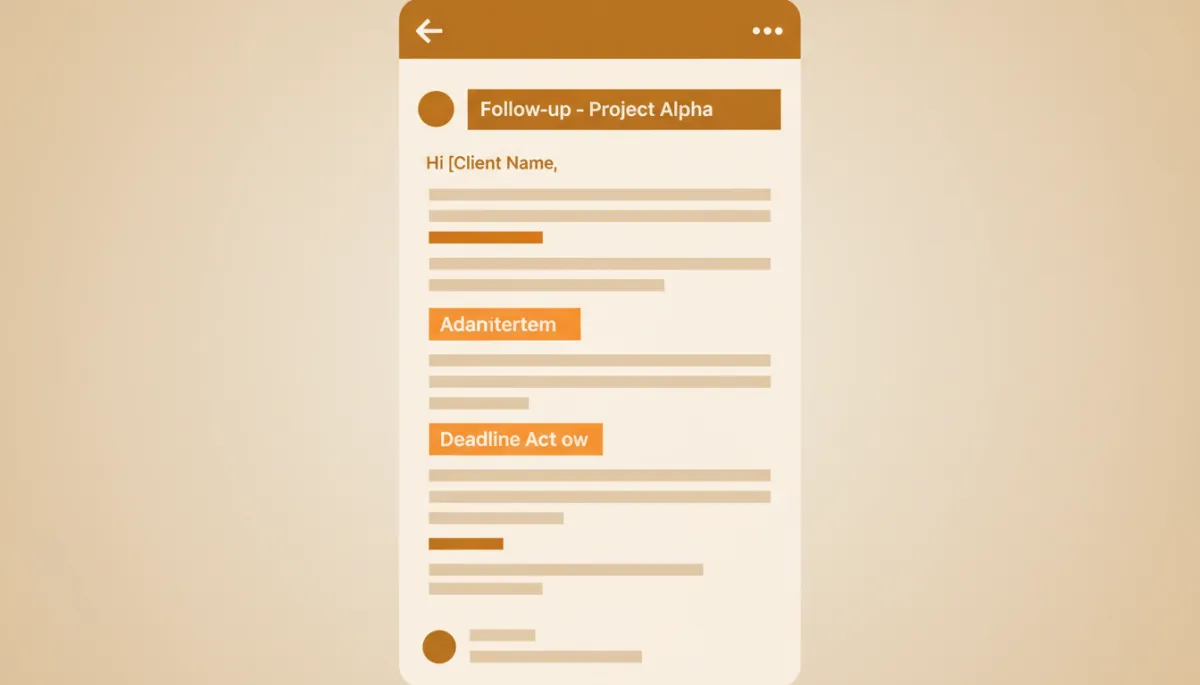
Follow-ups feel natural when they echo a clear, respectful first introduction.
From Handwritten Letters to Scalable Systems: Nooyi, P.I.T.C.H., and FOS
Billionaire Indra Nooyi became famous for handwriting personal introduction letters to the families of senior hires at PepsiCo. That level of communication discipline built fierce loyalty across a $65B company. Jason’s work with founders brings that same intentionality into a scalable system: every introduction email should feel deliberate, not disposable.
Inside his P.I.T.C.H. formula, Jason helps founders clarify the Person, Issue, Transformation, Credibility Hook, and Honest CTA behind each outreach. It plugs directly into the Hook + Context + Value + Ask + CTA structure you have seen here. For founders who want this done-for-you instead of piecing it together alone, he built FOS, his Founder Operating System, which you can access for about $0.63/day at dreamaker.club/buyfos .

Systems like P.I.T.C.H. and FOS turn ad-hoc outreach into a repeatable revenue engine.
Tier 1: When Your Introduction Email Strategy Really Matters
For Tier 1 prospects—the Tan, Teo, and Leon level relationships in your world—your introduction email is not just another touch. It is the first brick in a long-term relationship. Jason encourages founders to spend disproportionate time on these: research, relevance, and real value. You might still use the same formula, but you will often add one thoughtful sentence that proves you did your homework and are playing a long game.
Turn This Formula into Your Always-On Founder Asset
If you want every follow-up to feel as natural as the first email, start by locking in one or two introduction email templates for cold, warm, and re-introduction scenarios. Test them for a month, track replies, and refine. That is exactly how Jason iterated his own system across 1,000+ founders before it consistently produced results.
To go deeper into the P6 Sales Follow-Up framework, read his Founder’s Playbook on sales follow-up and explore how a modern selling system works in The Future of Selling System . For additional perspectives on email and relationship-building, you might also study how leaders like Indra Nooyi blended empathy with strategy or how founders use email to build trust at scale .
When you are ready to treat your introduction email the way Billionaire Indra Nooyi treated her handwritten letters—as a strategic asset, not a throwaway task—start systemizing it. Jason’s FOS at dreamaker.club/buyfos gives you the templates, the P.I.T.C.H. structure, and the P6 Sales Follow-Up rhythm so your next 1,000 introductions feel clear, confident, and compounding.


