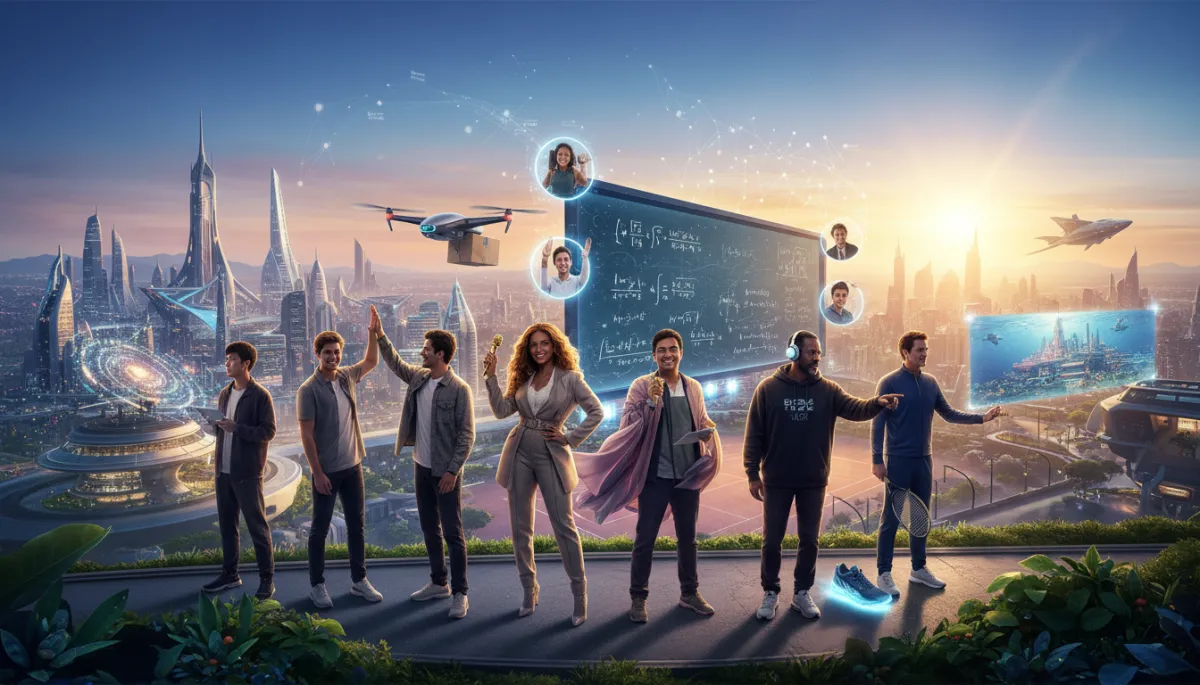
New Billionaires 2026: Who Made the List, How They Did It, and What It Actually Cost Them
Blog (68455ef8f98f3d7b6396f316), Featured (6891f4d19a1e0c7a87860bff), new billionaires 2026, first-time billionaires 2026, self-made billionaires 2026
390 People Became Billionaires for the First Time in 2026 — Who Are They, How Did They Make It, and What Was Their Darkest Hour?
390 new billionaires joined the world's rich list in 2026. Their stories look nothing like the fantasy TikTok edits — more like long, lonely marathons where the real race was one conversation, one pitch, one moment where someone finally said "yes." If you are a founder who feels invisible right now, this is the year's billionaire class decoded so you can steal their playbook instead of just scrolling past their headlines.
Why 390 People Crossed the Billion-Dollar Line in 2026 — And Why the Common Thread Is Not What You Think
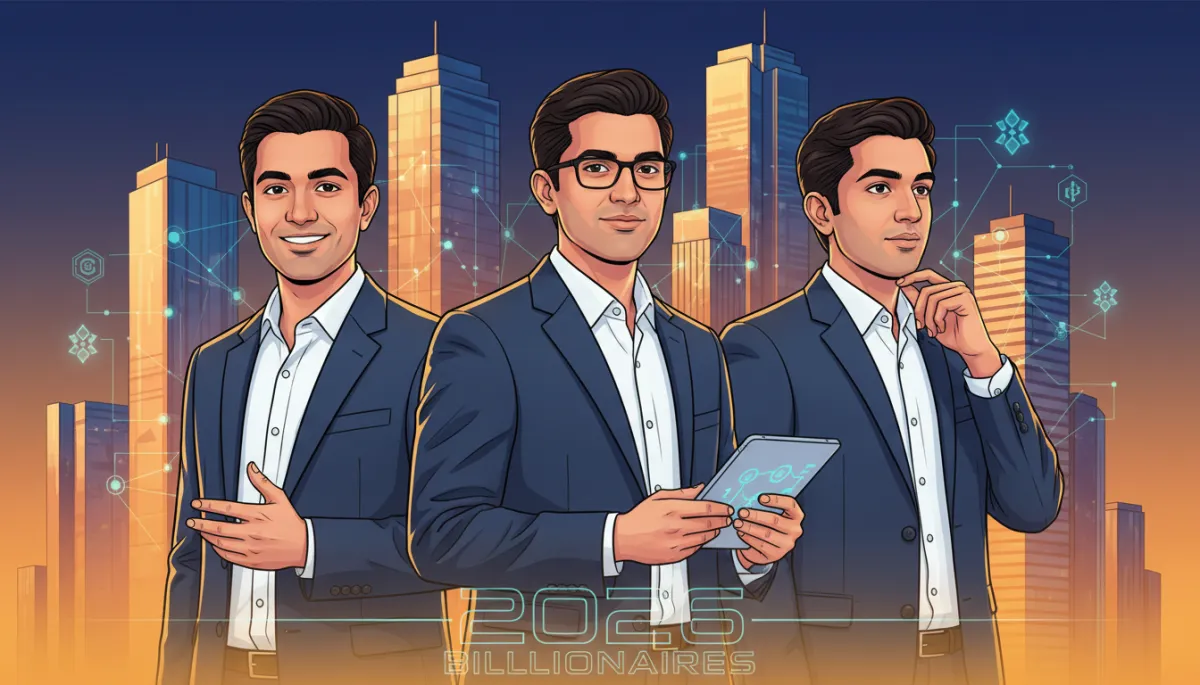

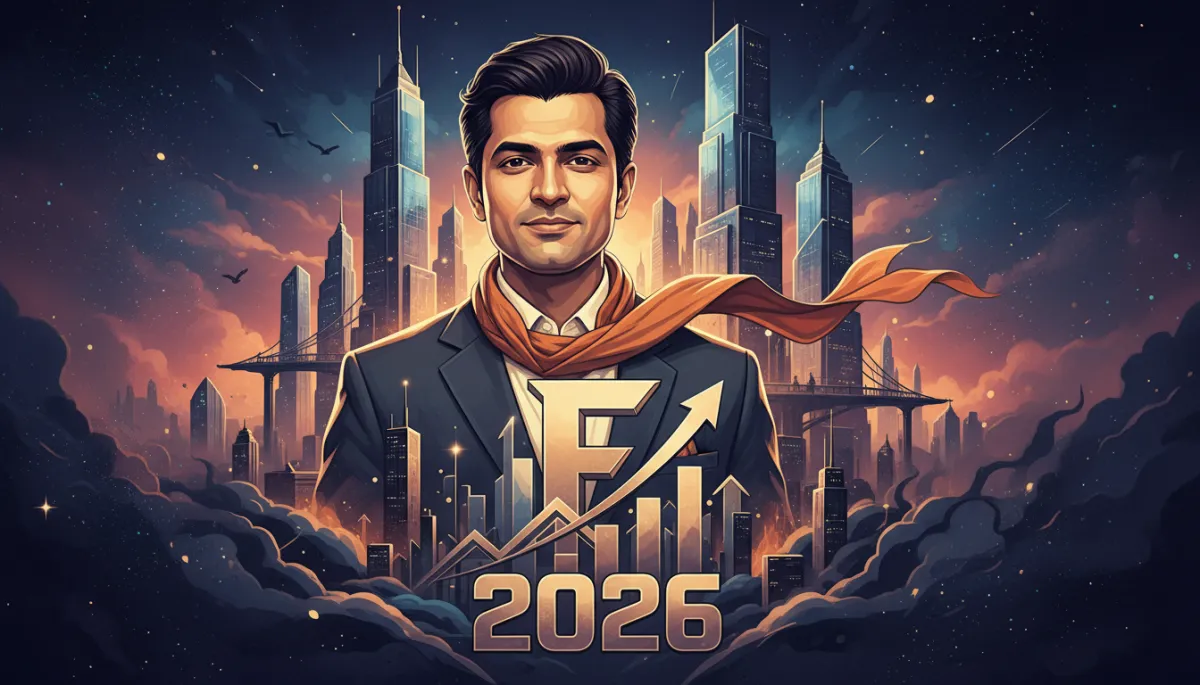
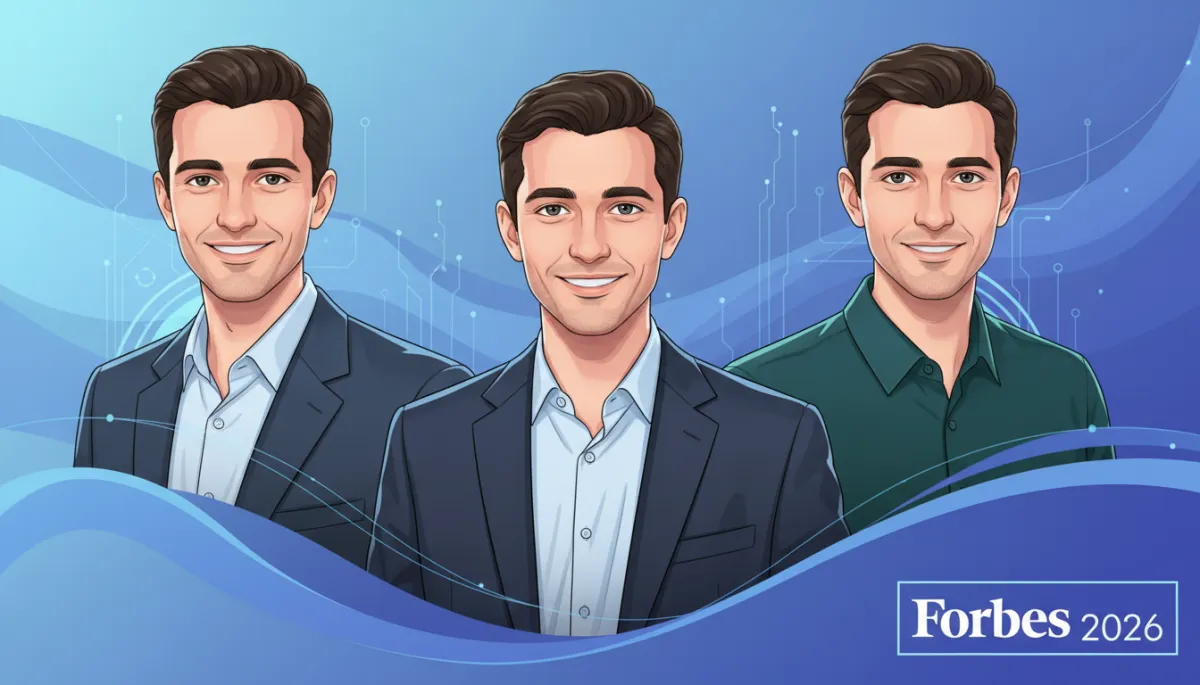
Imagine watching a marathon, but the TV only shows the last three seconds — the winner breaking the tape, arms raised, confetti everywhere. That is how most people see new billionaires 2026: a freeze-frame at the the finish line, none of the blisters, none of the 4 a.m. training runs, none of the miles where they almost quit. From the outside, it looks like they were born in front of the tape. From the inside, it felt like years of running in the dark while nobody clapped.
The numbers are wild. According to the Forbes World's Billionaires List published March 10, 2026, 390 newcomers from 40 countries joined the billionaire ranks this year. Together, these first-time billionaires 2026 are worth $755 billion — around $1.9 billion each on average. The total list is now 3,428 billionaires worth $20.1 trillion. It is the second-best year ever for new billionaires, behind only the 2021 pandemic rebound. For more than a year, the world has been quietly adding more than one new billionaire per day.
That sounds like magic. It was not. Many of the people who became billionaires in 2026 were not born rich. They were not all Stanford-dropout-with-a-Sequoia-term-sheet stereotypes. A restaurant kid from a town of 3,400 people. Three debate nerds from San Jose. A physics teacher from a slum in Prayagraj. A singer who got tired of giving her masters to someone else. A director who literally traded his paycheck for back-end points on a movie everyone thought would sink the studio.
So what was the real common thread? Not IQ. Not "right place, right time." Not even venture capital — Edwin Chen of Surge AI raised zero dollars in VC and still leads the 2026 class at $18 billion. The thread that stitched these stories together was this: every single one of them had to sell something at a critical moment. A vision, a product, or themselves. Edwin Chen sold AI labs on invisible data quality before he had a single press mention. The Mercor trio sold top-tier VCs on a $10 billion idea when they were only 19. Alakh Pandey sold millions of students on trusting a YouTube teacher with no formal credentials.
By the time you finish this guide, you will see the pattern clearly: self-made billionaires 2026 did not "get discovered." They engineered moments where someone could not say no to their offer. And you can copy that part — even if your bank balance currently looks like a bad joke.
FEATURED
🔥 NEW in September 2026!
A rare window of opportunity has opened up to learn from Jason — who since 2015, has quietly helped 1,000+ founders across Asia transform their sales revenue.
Do you also start to feel it's very invisible to be a founder? Like being the hardest worker in a stadium where nobody bought a ticket?
It's not your fault. Most founders feel exactly this way. They've felt like the problem is them — their offer, their confidence, their follow-up. But what they found, every single time, is that the problem was never the product. It was the system they were using to sell it.
And you're not alone. On September 5, 2026, LinkedIn's annual Workplace Report revealed that 68% of founders say their biggest barrier to growth is converting conversations into paying customers — not product quality, not funding.
That's why it's not easy as a founder right now. It's like trying to win a race when someone changed the rules after the starting gun.
The good news? Since 2015, Jason has quietly helped 1,000+ founders across Asia transform their sales revenue — turning founders who used to lose deals on price into closers who walk out of rooms with signed contracts. The system he used to do it? It's now yours at $19.
The System That Changes This →
The 2026 Billionaire Class: 7 Origin Stories Every Founder Should Study

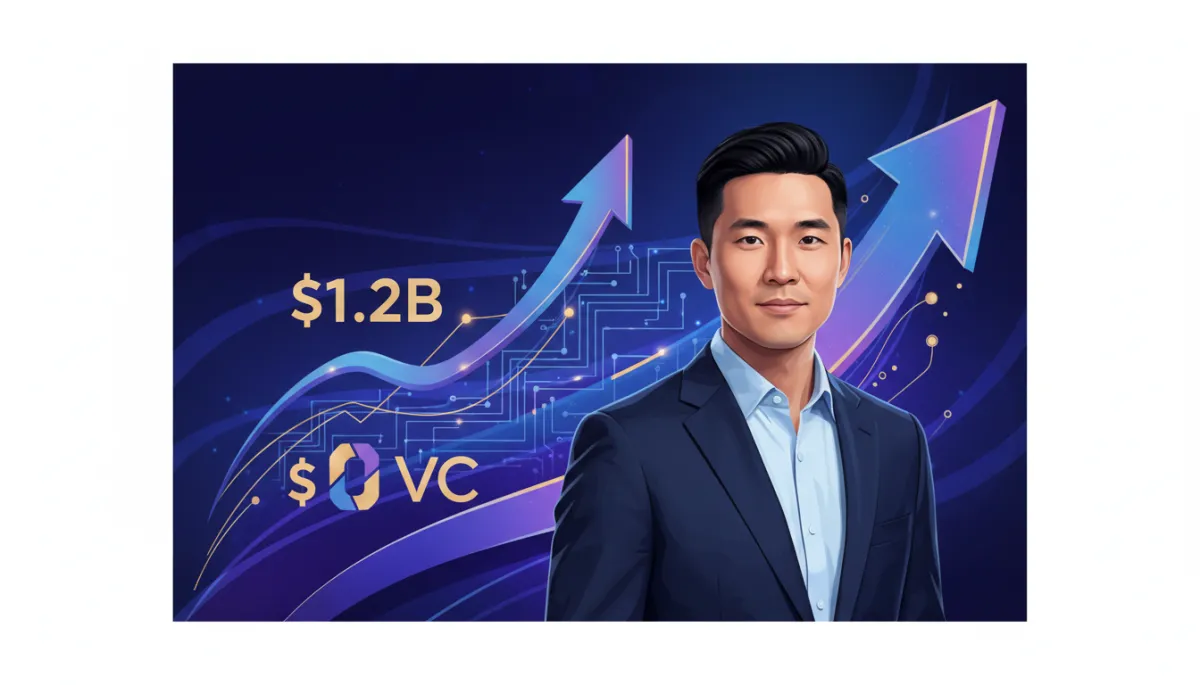
Billionaire Edwin Chen became the richest new billionaire of 2026 by quietly selling indispensable AI training data without raising a single dollar of venture capital.
🏆 Billionaire Story
Billionaire Edwin Chen did not grow up in a glass tower. He grew up in a Chinese-Thai-American restaurant in Crystal River, Florida — a town of about 3,400 people. He went from that tiny dining room to MIT, then into roles at Twitter, Facebook, Dropbox, Google, and Peter Thiel's hedge fund Clarium.
In 2020, he used his personal savings to start Surge AI, an AI data labeling company. No VC. No splashy launch. Just a promise — deliver training data so good that the world's smartest AI labs could not ship without it. Surge grew to $1.2 billion in annual revenue with only 110 employees. Their clients: Google, Anthropic, OpenAI, Meta, Microsoft. He owns about 75%, putting his net worth around $18 billion — the top of the 2026 newcomer list.
His darkest hour was invisibility. For years, the most valuable AI company nobody had heard of was run by the wealthiest new billionaire nobody had heard of. His LinkedIn simply said: "Building Surge AI." While others chased followers, he chased indispensability. "Without us, AGI simply won't happen."
The key insight: He never had a sales team. He built something so mission-critical that his customers became his salespeople. If you can become that indispensable, you can skip the loud marketing arms race and still win the wealth game.

The Mercor trio became the youngest self-made billionaires in history by turning high school debate skills into a $10 billion AI recruiting machine at age 22.
🏆 Billionaire Story
Think of a high school debate round — two teams, a judge, a clock, and 8 minutes to make a stranger believe your side of reality. That is where Billionaire Brendan Foody, Billionaire Adarsh Hiremath, and Billionaire Surya Midha first learned to sell. They grew up together in San Jose, California, then dropped out of Harvard and Georgetown at age 19.
In January 2023, at a hackathon in São Paulo, they started Mercor: match companies with skilled engineers, handle logistics, take a cut. First client paid $500 per week. Within nine months, they hit a $1 million revenue run rate. In October 2025, they raised $350 million at a $10 billion valuation. Each founder owns about 22%, putting them at around $2.2 billion each — beating Zuckerberg's record. He was 23; they did it at 22.
Their darkest moment: they were not old enough to enter the bars where executives wanted to meet deals. They would fly into a city, get invited to a deal-making bar, and get carded at the door.
The key insight: Their real capital was their ability to argue under pressure. Those debate rounds became live pitches to VCs on jets to Vegas. That is not luck; that is sales, weaponized.

Billionaire Alakh Pandey turned free YouTube physics lessons from a slum into a billion-dollar edtech company by selling trust long before he sold courses.
🏆 Billionaire Story
Picture a candle in a blackout. That is Billionaire Alakh Pandey in his rented room in a slum in Prayagraj, India. Born in 1991, he watched his father lose his job, sell their house in pieces, and end up selling oil on a bicycle. There was no safety net — just gravity pulling them down.
He started tutoring neighborhood students to help his family survive. Then launched a free YouTube channel called PhysicsWallah in 2014 — teaching physics to anyone in the comments. No studio. No production team. When acquisition offers of ₹40 crore and ₹75 crore landed on his desk, he turned them down because they wanted him to raise prices and his students could not afford it.
His darkest moment: sitting in that slum room, with his family having sold everything, saying "no" to money that could have rescued them. He refused because it would mean betraying the students who had trusted him when he had nothing. In 2020 he incorporated PhysicsWallah, set course prices around ₹4,000 when competitors charged in lakhs. In November 2025, it went public at a 31–33% premium. By March 2026: over 14 million YouTube subscribers and a net worth north of $1 billion.
The key insight: He built trust first, then monetized. Years of free content meant his customer acquisition cost was almost zero. His community felt they owed him — not the other way around. Value before money — always.

Many 2026 self-made billionaires started in rooms that looked a lot like this.

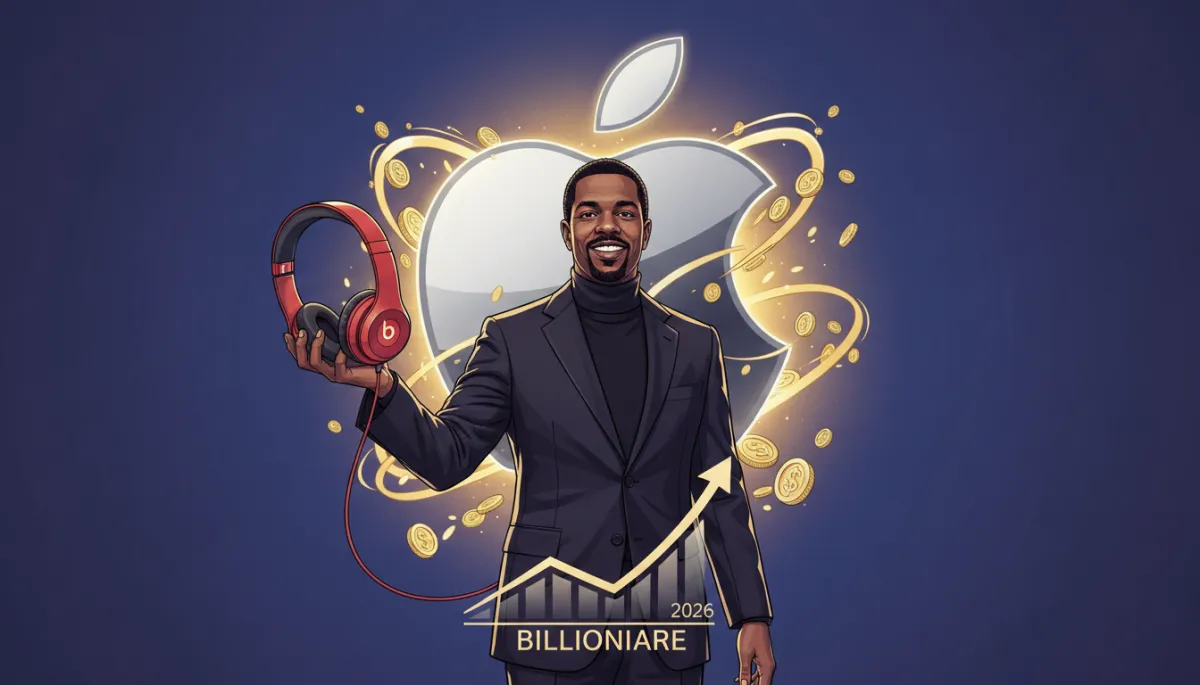
Billionaire Dr. Dre finally crossed the billionaire line in 2026 because one perfectly structured deal with Apple kept compounding for more than a decade.
🏆 Billionaire Story
Think of planting a single tree and letting it grow for ten years while everyone else keeps replanting seeds every weekend. That is Billionaire Dr. Dre. Long before the Forbes announcement, he was a hip hop legend — producer, rapper, cultural architect. But the wealth engine that put him on the new billionaires 2026 list was a product, not a track.
He co-founded Beats by Dre, a headphone brand that turned audio gear into fashion. In 2014, Apple bought Beats for around $3 billion in cash and stock. Dre became one of the largest beneficiaries. It took more than a decade of compounding investments and stock performance for him to cross the line and debut on Forbes around the $1 billion mark.
His darkest hour was the long stretch before Beats — years of navigating the music industry's chaos, label politics, and shifting trends. One deal, one negotiation, one term sheet became the hinge that swung his net worth into a different universe.
The key insight: You might only need one great deal in your career — but it has to be structured right. The right equity, the right exit, the right upside. The 2014 pitch to Apple mattered as much as every hit song. If you are obsessing over your next small client instead of designing your "Beats moment," you are playing the wrong game.

Billionaire Roger Federer turned from athlete to owner by taking equity in On Running instead of just another endorsement check.
🏆 Billionaire Story
Imagine a world-class tennis player who gets paid per match — win, get paid; lose, go home. That was Billionaire Roger Federer for most of his career. He won 20 Grand Slam singles titles, dominated Wimbledon, and stacked endorsement deals. But prize money and sponsorships alone rarely turn athletes into billionaires. They are high income, low equity.
Federer's real wealth inflection came from his stake in Swiss shoemaker On Running. Instead of just lending his name for a fee, he took equity, helped pitch the brand, and actively shaped its growth. By the time Forbes counted him among the first-time billionaires 2026 at around $1.1 billion, it was clear: he had crossed the line not by hitting more aces, but by owning a piece of the court.
His darkest hour was the transition phase — when the body slows down and the tour schedule shrinks. The risk: retire as a legend but not as an owner. Saying yes to the On Running deal, and insisting on equity, was his way of rewriting that script.
The key insight: Stop being the "athlete" in your own business, paid only when you show up. Start being the Federer who negotiates for equity in the thing you are helping to build. Can you sell them on why you deserve a slice of the upside, not just a fee? Source: Forbes World's Billionaires List, March 2026.

Billionaire James Cameron joined the 2026 billionaire ranks by trading upfront pay for back-end ownership on movies everyone thought would fail.
🏆 Billionaire Story
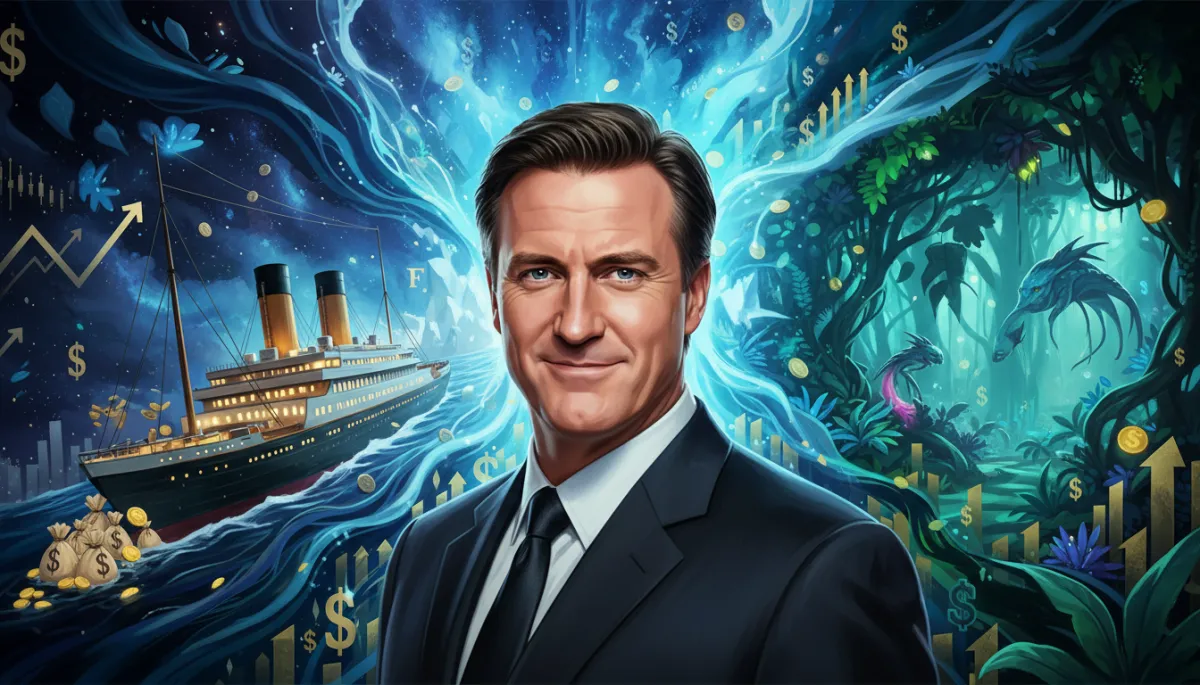
Think of betting your entire year's salary on a single product launch that everyone says is doomed. That is Billionaire James Cameron on Titanic. Costs ballooned. The media nicknamed it "Kevin's Gate". The studio tried to shut it down more than once.
In the middle of that chaos, Cameron made a decision that would eventually land him on the new billionaires 2026 list at about $1.1 billion. He negotiated to keep his back-end deal instead of his director's fee. He gave up guaranteed money now for a share of profits later. Titanic became one of the highest-grossing movies of all time. Then he did it again with Avatar — three of the four highest-grossing films in history.
His darkest moment: standing in the storm of bad press and studio pressure, knowing the project might be cancelled, and still choosing ownership over salary. That is not a creative decision; that is a sales decision.
The key insight: Every time you trade equity for a paycheck, you are doing the opposite of James Cameron. Back-end deals, revenue shares, equity stakes — selling your future value instead of your present time. When you design your next partnership, ask: am I taking the director's fee, or am I taking the back end? Source: Forbes World's Billionaires List, March 2026.

Billionaire Beyonce Knowles-Carter joined the 2026 billionaire list by shifting from performer to owner through Parkwood Entertainment.
🏆 Billionaire Story
Think of a world-class chef who cooks in someone else's restaurant. The crowd screams their name but the owner keeps most of the profit. That was Billionaire Beyonce Knowles-Carter for years. She started with Destiny's Child, then launched a solo career in 2003 that turned her into a global icon. The tours were huge, the awards endless, but the financial structure tilted toward labels and promoters.
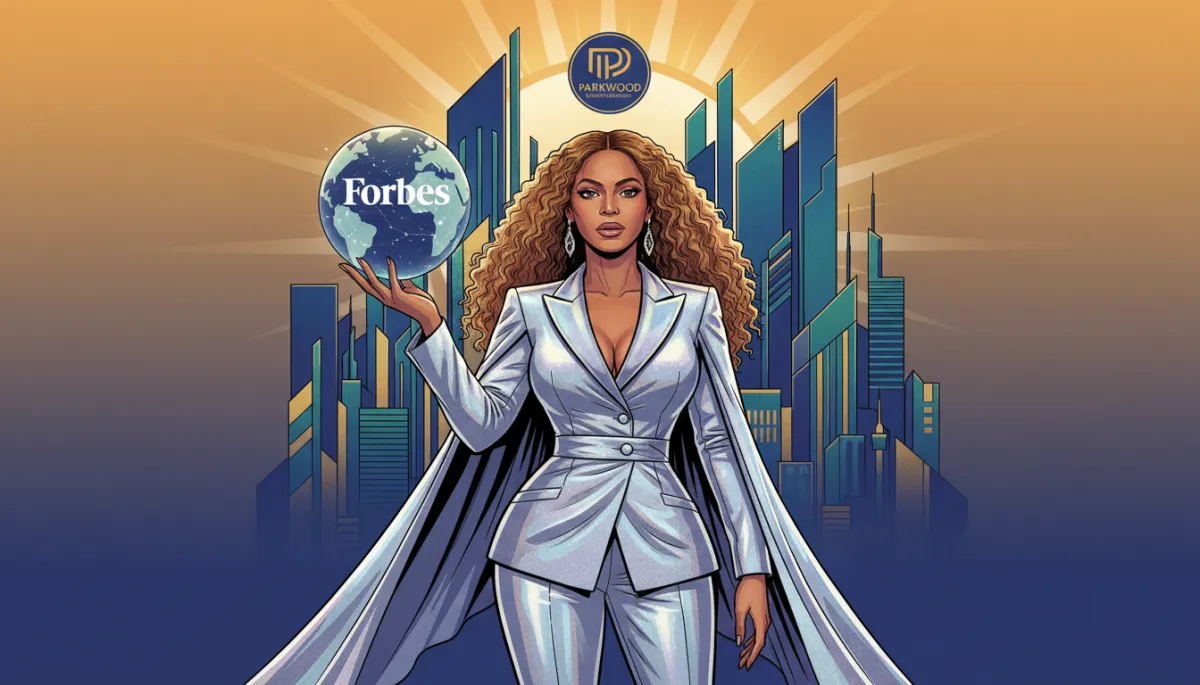
In 2010, she founded Parkwood Entertainment, named after the Houston street where she grew up. Parkwood would produce her music, documentaries, and concerts so she could capture more of the back end. That shift from talent to producer-owner was the financial unlock. She holds the record for most Grammy wins in history at 35. Her darkest hour was years of performing at the highest level while handing the upside to other people's companies. The day she founded Parkwood changed the trajectory that put her on the Forbes new billionaires 2026 list at about $1 billion.
The key insight: You become a billionaire the day you stop performing for other people's balance sheets and start owning your own system. Your real job is to design your own Parkwood — your own platform, IP, and equity. Source: Forbes World's Billionaires List, March 2026.

Billionaire Liu Debin built China's leading AI company despite US chip export controls by winning with less powerful hardware.
🏆 Billionaire Story
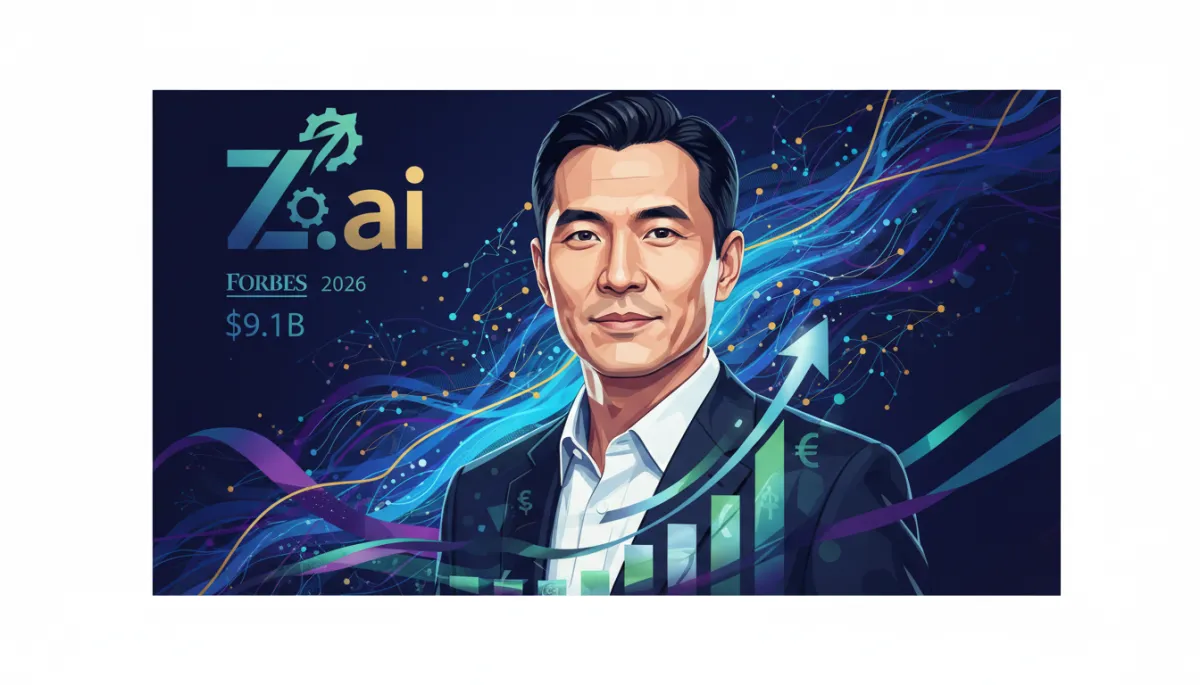
Billionaire Liu Debin and Z.ai (formerly Zhipu AI) were founded by a research team from Tsinghua University. Z.ai built ChatGLM, one of China's leading large language models, serving thousands of enterprise clients across China. His darkest hour came in October 2022 when the US government banned NVIDIA's best AI training chips from being sold to Chinese companies. Z.ai responded by distributing training across thousands of older-generation GPUs and developing proprietary optimization software. By March 2026, Liu Debin's stake put his net worth at $9.1 billion — one of the largest fortunes from the 2026 AI wave outside the US.
The key insight: When the market cuts off your best tool, the pitch does not change — only the method does. Z.ai never promised the best chips. They promised the best results. Source: Forbes World's Billionaires List, March 2026.

Billionaires Guillaume Lample, Timothee Lacroix, and Arthur Mensch built Europe's leading AI company by open-sourcing their work and letting benchmarks do the selling.
🏆 Billionaire Story
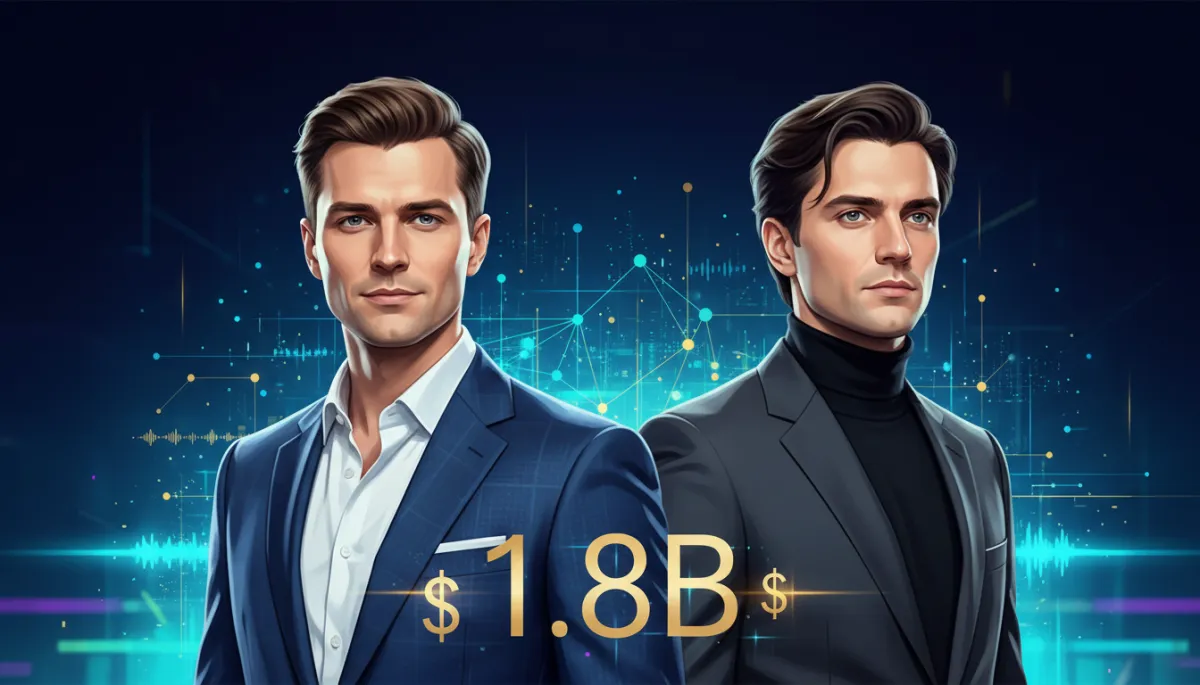
Three former AI researchers at Meta and DeepMind — Billionaire Guillaume Lample, Billionaire Timothee Lacroix, and Billionaire Arthur Mensch — co-founded Mistral AI in Paris in June 2023. Their first model launch was just a torrent link posted on X — no press release. Within hours, the AI community benchmarked it: a 7-billion-parameter model that outperformed models twice its size. Their darkest hour was every VC meeting where European geography was held against them. They stayed in Paris. By March 2026, each founder's stake was worth approximately $1.8 billion.
The key insight: When geography is used as an objection, release publicly and let results do the selling. The best pitch is sometimes a product so undeniable the objection becomes embarrassing to repeat. Source: Forbes World's Billionaires List, March 2026.

Billionaire Luana Lopes Lara built the first federally regulated prediction market exchange by pitching in a federal courtroom and winning.
🏆 Billionaire Story
Billionaire Luana Lopes Lara co-founded Kalshi — the first CFTC-licensed event contracts exchange in the United States. Her darkest hour came when the CFTC moved to block Kalshi's political event contracts, arguing they were illegal. She and co-founder Tarek Mansour filed suit in federal court in 2024 and won. The US Court of Appeals for the DC Circuit ruled in Kalshi's favor in August 2024. By March 2026, her net worth exceeded $1 billion.
The key insight: Conviction in your product's right to exist is a sales skill. When the market says you cannot do this, sometimes the right move is to prove them wrong in public. Source: Forbes World's Billionaires List, March 2026.

Billionaires Mati Staniszewski and Piotr Dabkowski built ElevenLabs into the world's leading AI voice platform by responding to a PR crisis with product velocity instead of apology.
🏆 Billionaire Story
Billionaire Mati Staniszewski and Billionaire Piotr Dabkowski built ElevenLabs — AI voice cloning technology that could replicate a voice from a 60-second sample. By 2026, ElevenLabs powered voice for over a million creators worldwide, with each founder's stake worth approximately $1.8 billion. Their darkest hour came when a viral deepfake video used their technology. Instead of waiting for the news cycle to pass, they shipped safety features within days: voice verification, consent workflows, and a content policy. The crisis became their most effective enterprise sales tool.
The key insight: A PR crisis is a pitch opportunity if you respond with product velocity. Speed of response signals confidence in your mission. Source: Forbes World's Billionaires List, March 2026.
🎯 Quick Self-Check
Every one of these billionaires had to pitch something at their darkest moment. Be honest:
☐ I have an idea or product but I have not pitched it to a single paying stranger yet
☐ When I do pitch, I lead with features instead of the problem I solve
☐ I do not have a repeatable 60-second pitch that consistently converts
☐ I have lost deals and blamed the price instead of the pitch
☐ I am still waiting for the right moment to start selling seriously
If you checked 2 or more, that is the gap between where you are and where every one of them started.
Every billionaire on this list had a pitch moment. Jeffrey Teo had one too, and he used the Future of Selling System to sign 63 customers in 100 days. Stanley Tan used the same P.I.T.C.H. Code to close 45 buyers in 3 hours. Your next conversation is your pitch moment.
Keep Reading
Frequently Asked Questions — New Billionaires 2026
Who are the new billionaires in 2026?
Forbes added 390 new billionaires to its 2026 list — more than one per day. The US led with 106 newcomers including Edwin Chen ($18B, Surge AI) and the Mercor founders. Celebrity newcomers include Beyonce, Dr. Dre, Roger Federer, and James Cameron. The full class spans 40 countries and $755 billion. Read the full guide
How did the new billionaires of 2026 make their money?
AI dominated the 2026 class. Edwin Chen built $1.2B revenue at Surge AI with zero venture capital. The Mercor founders built a $10B recruiting company in 2 years. Others made it via entertainment (Beyonce, Dr. Dre), sports equity (Federer via On Running), and edtech (Alakh Pandey). Read the full guide
Who is the youngest new billionaire in 2026?
Brendan Foody, Adarsh Hiremath, and Surya Midha of Mercor became billionaires at age 22 — beating Zuckerberg's record. The youngest overall is Amelie Voigt Trejes, age 20, heir to WEG S.A. in Brazil. Read the full guide
Were there any rags-to-riches billionaires in 2026?
Yes. Alakh Pandey grew up in a slum in Prayagraj after his family sold their home. He dropped out of college to teach physics free on YouTube. PhysicsWallah IPO in November 2025 made him a billionaire. Edwin Chen's parents ran a restaurant in a Florida town of 3,400. Read the full guide
What did all the new 2026 billionaires have in common?
Every one had to pitch their vision at a critical moment. Edwin Chen pitched AI labs on trusting him with their data. The Mercor trio pitched top VCs as 22-year-olds. Alakh Pandey pitched free lessons before asking anyone to pay. James Cameron pitched studios on impossible budgets. Selling was the single common thread. Read the full guide
The One Thing Every New Billionaire Had That You Can Get for $19
Think of it like a race car without an engine. It looks exactly like a race car — body, wheels, aerodynamics, paint. But it goes nowhere. Most founders have the product, the passion, the work ethic. What they are missing is the sales system — the engine that converts conversations into customers.
Since 2015, Jason has quietly helped 1,000+ founders across Asia transform their sales revenue — turning founders who used to lose deals on price into closers who walk out of rooms with signed contracts. The Future of Selling System, built on $22M+ in personally closed deals: Jeffrey Teo signed 63 customers in 100 days. Stanley Tan closed 45 buyers in 3 hours. Leon closed a $2M partnership deal.
Sales Coach | Workshop | Future of Selling System | |
|---|---|---|---|
Cost | $500 / hour | $5,000 – $15,000 | $19 |
Format | Appointment-based | One-time event | Instant access |
System included | Generic advice | Limited scripts | P.I.T.C.H. Code — complete |
Proven results | Varies | None documented | Jeffrey Teo · Stanley Tan · Leon |
Access | Ongoing cost | Ends same day | Lifetime |
Get the Future of Selling System — $19
Every billionaire in this list had a moment where they had to pitch something to someone — and the ones who could not sell never made the list.


