Follow Up Email After Sales Call: The Exact Framework That Moves Deals Forward
Sales, Startup Growth, Follow-Up Strategy
Follow Up Email After Sales Call: The Exact Framework That Moves Deals Forward
For a startup founder leading a small team, the follow up email after a sales call is often the quiet moment where deals are either won or slowly disappear. Jason created this guide so you never lose a warm conversation to a cold inbox again.

TL;DR — Your follow-up email is your second chance to earn the “yes.” Most founders lose deals not on the call, but in the silence that follows. Send a clear, concise sales call follow up email within 2 hours, restate the problem, anchor the value, clarify next steps, and then keep following up with kindness and consistency. A simple sequence of follow up calls and emails, backed by a system, will outperform “hope and wait” every time.
Why Most Post-Call Follow-Ups Lose the Deal
Jason has watched hundreds of founders run great sales calls… and then send weak or late follow-ups that quietly kill momentum. The founder walks away thinking, “They loved it, we’re close,” while the buyer’s inbox moves on with a hundred other priorities. The opportunity doesn’t explode. It just evaporates.
According to Salesforce, as many as 76% of sales teams say effective follow-up is their biggest challenge, not finding leads. That challenge is multiplied for a founder who is also managing product, hiring, and investors. It’s not that you don’t care. You’re simply stretched thin and relying on memory instead of a system.
GaryVee built a $200M+ personal brand empire by doing the opposite. Billionaire Gary Vaynerchuk is notorious for replying to everyone and following up relentlessly. His rule is simple: “Follow up until they tell you no or buy.” For him, the follow up email after a sales call is not a formality; it’s how he stays on their radar with real value, again and again, without apology and without aggression.
Jason’s seen the same pattern in the 1,000+ founders he has coached since 2015. The founders who win are not always the most charismatic on the call. They are the ones who build a kind, consistent follow-up rhythm and stick to it even when life gets messy. That rhythm is what the Future of Selling System (FOS) is designed to install into your team so follow up calls and emails never depend on memory or mood again.

Teams that script follow-ups close more deals than teams that rely on memory.
The 2-Hour Rule — The Framework for What to Send and When
Jason teaches founders a simple standard: send your first follow up email after a sales call within 2 hours. Not “later today.” Not “tomorrow.” Within two hours, while the conversation is still emotionally alive for your buyer and the details are fresh for you. This tiny discipline signals reliability and care, not desperation.
What should I say in a follow-up email after a sales call?
Think of your email as a bridge, not a replay. Your prospect doesn’t need a transcript; they need clarity. Jason recommends four simple parts:
- Gratitude: Thank them for their time and honesty.
- Problem recap: Briefly restate the key pain or goal in their words.
- Proposed path: Summarize how your product will help them win.
- Clear next step: One specific action with a date and link.
When you write this way, your sales call follow up email becomes an act of service. You’re helping them make a confident decision, not pushing them into one.
How soon after a sales call should I send it?
Research from Harvard Business Review shows that rapid follow-up dramatically increases conversion, especially when prospects are already engaged. Jason’s 2-hour rule fits that insight perfectly. Inside that 2-hour window:
- You remember details they mentioned off-hand (a launch date, a stressed team member).
- They still feel the urgency of the problem you uncovered together.
- You demonstrate that you are present and reliable, not random.
If you absolutely can’t send it within 2 hours, aim for the same business day. But keep the internal standard high. Your future pipeline will thank you.
3 Follow-Up Email Templates — Copy and Send
Here are three simple templates Jason gives to founders. Adapt the tone, but keep the structure. These work for your first follow up call email, later follow up calls in written form, and even the follow up email after a cold call.
What is the best subject line for a follow-up email after a sales call?
The best subject lines are clear, personal, and tied to their goal. A few examples Jason sees perform well:
- “Next steps on reducing churn at [Company Name]”
- “Recap + plan from today’s call”
- “[Their goal] by Q4 — here’s the path we discussed”
Avoid cleverness. Your buyer is busy. Clarity is kindness.
How long should a follow-up email after a sales call be?
Aim for 100–200 words. Long enough to recap the decision clearly, short enough to read on a phone between meetings. If you need to share more detail, attach a short deck or link to a doc, but keep the body of the email focused on:
- 1–2 sentences of recap
- 3–4 bullet points of value or plan
- 1 clear call-to-action
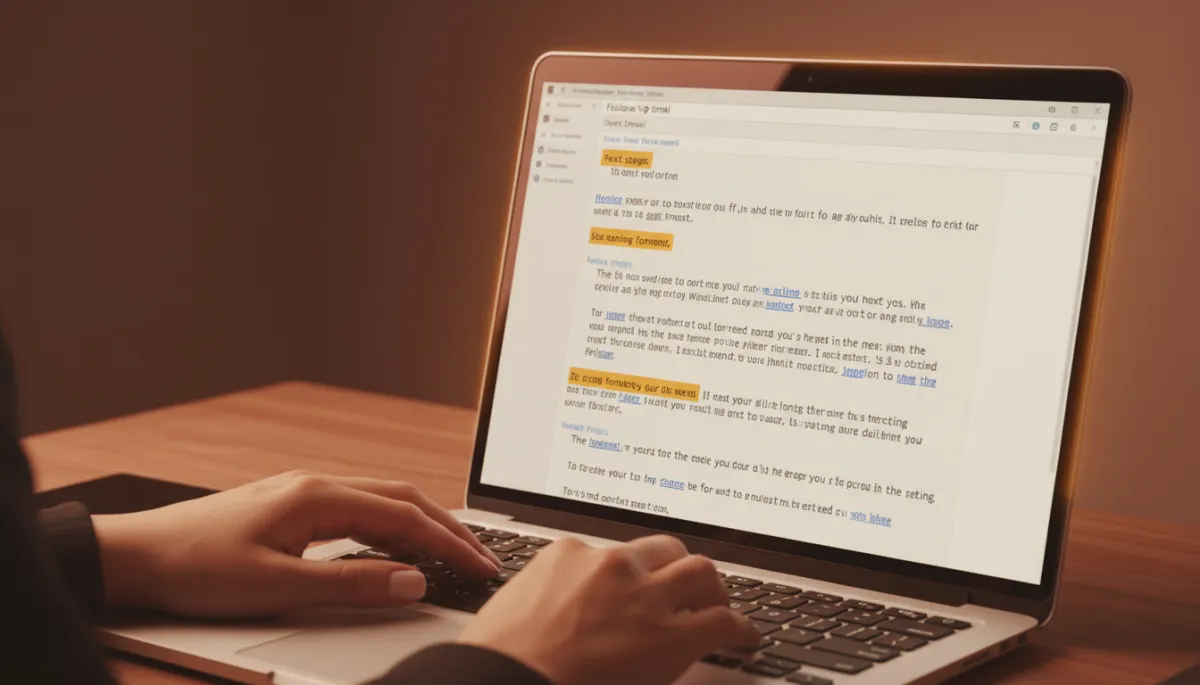
Short, clear emails are far more likely to be read and acted on.
When They Don’t Reply — The Multi-Touch Sequence
Silence doesn’t always mean “no.” Often it means “not yet” or “I’m overwhelmed.” Forbes has reported that many deals close after the fifth contact or later, yet most salespeople stop after one or two attempts. Jason’s heart for founders is simple: don’t give up on good-fit customers just because life got loud for them this week.
How many follow-up emails should I send after a sales call?
As a baseline, Jason recommends a gentle 6–8 touch sequence across 2–4 weeks, mixing emails and follow up calls:
- Day 0: Main follow up email after the sales call (within 2 hours).
- Day 2: Light nudge email + value resource (case study, short Loom).
- Day 4–5: Follow up call or voicemail referencing your previous emails.
- Day 7–10: “Still helpful?” check-in email, very short.
- Day 14+: “Permission to close the loop” email, giving them an easy out.
This sequence respects their time while honoring yours. You are persistent, but never pushy. You’re simply keeping a door open that they already walked through once.
What do you say in a follow-up email after no response?
When there’s no response, shorten your emails and increase the kindness. For example:
“Hey [Name], totally understand things are busy on your side. Just checking whether moving [problem] off your plate this quarter is still a priority. If it is, happy to hold your spot for [date]. If not, no worries at all — I can close the loop on my end.”
You’re giving them emotional safety. People respond when they feel safe, not cornered.
The System Behind the Sequence (FOS + P.I.T.C.H. Mention)
Great follow-up is not about charisma; it’s about systems. Jason built the Future of Selling System (FOS) after hitting rock bottom three times and climbing back three times, ultimately helping generate $22M+ in combined sales across more than 1,000 founders since 2015. He saw that founders who had a clear, written sales follow-up strategy outperformed those who kept everything in their heads, even if they were less “natural” at selling.
Inside FOS, Jason teaches his P.I.T.C.H. Formula (Prepare-Intent-Teach-Close-Habits). You only need to remember one thing here: your follow up email after a sales call is part of your Habits. It’s not an exception; it’s a standard. When your team knows exactly what to send, when to send it, and how to follow through, your pipeline stops feeling like chaos and starts feeling like a craft you can improve every month.

Jason shows founders that consistent systems beat heroic one-off efforts.
Tier 1 Results — What’s Possible When Follow-Up Becomes a Habit
When founders treat follow-up as a discipline, everything changes. Jason has seen it firsthand in the founders he works with. Stanley Tan used Jason’s systems and went from stalled conversations to $29,693 in 16 days, including 45 buyers in 3 hours from a single campaign. That didn’t happen because of a magical script; it happened because every interested lead received thoughtful, consistent follow-ups that made saying “yes” easy.
Jeffrey Teo applied the same principles and turned quiet interest into 63 customers in 100 days. He stopped guessing when to send a follow up email after a sales call and started trusting the process. The result was a pipeline that finally felt predictable instead of fragile. Leon used Jason’s approach to nurture a single relationship into a $2.5K to $2M+ partnership, proving that the right sequence of follow up calls and emails can turn one conversation into a life-changing opportunity for your company and your team.
Frequently Asked Questions About Follow-Up Emails After Sales Calls
What should I say in a follow-up email after a sales call?
Focus on gratitude, a short recap of their problem in their words, a clear summary of how you can help, and one specific next step. Keep it human, concise, and centered on their outcome, not your features.
How soon after a sales call should I send the follow-up email?
Aim to send it within 2 hours of the call. This keeps the conversation fresh, shows reliability, and leverages the emotional momentum you built together.
How long should a follow-up email after a sales call be?
Around 100–200 words is usually ideal. Long enough to confirm decisions and next steps, short enough to be read quickly on a phone.
What is the best subject line for a follow-up email after a sales call?
Use clear, outcome-focused subject lines like “Next steps on [goal] at [Company]” or “Recap + plan from today’s call.” Prioritize clarity over cleverness so they instantly know why they should open it.
How many follow-up emails should I send after a sales call?
Plan a sequence of 6–8 touches over 2–4 weeks, mixing emails and follow up calls. This gives your buyer space while still honoring the opportunity you both created on the call.
What do you say in a follow-up email after no response?
Acknowledge that they’re busy, restate the value briefly, and offer an easy next step or an easy way to close the loop. Keep it short, gentle, and respectful of their time.

A written sequence turns random follow-ups into a repeatable growth engine.
Your next big deal is probably already in your inbox — it just needs the right follow-up to come alive.


