
How to Close High-Ticket Sales: The Strategy Guide and Startup Survival Book for Founders Who Keep Discounting Their Way Out of Deals
High-Ticket Sales, Startup Founders
How to Close High-Ticket Deals: The Strategy Guide and Survival Playbook for Startup Founders Who Keep Discounting Their Way Out of Deals
A practical, kind, guilt-free guide to high-ticket sales for founders who are tired of cutting prices, shrinking margins, and feeling like the cheapest option in every room.
📌 TL;DR: High-ticket sales for founders are not about being pushy or aggressive. They are about valuing your work, building trust, and using a simple system to close $5,000–$50,000+ deals without discounts. Jason’s “Future of Selling” system helps founders prepare, lead value-based conversations, and close with confidence for just US$19 a month (US$0.63 a day).
Why Founders Keep Discounting — and Why It Destroys Their Business
Why Do Founders Drop Their Prices So Quickly?
Jason has watched hundreds of founders in Singapore and beyond make the same move. The buyer hesitates. Silence stretches. The founder panics and slashes the price like a supermarket discount sticker on milk about to expire. It feels safer in the moment. But it quietly trains the market to treat them as a discounted option, not a real partner.
The truth is simple and painful. Most founders never learned how to close high-ticket deals. They were told “work harder,” not “build a calm, repeatable system.” So they use the only lever they feel they control today: price. That lever works once. Then it starts draining them slowly.
💡 Pro Tip: A discount is usually a trust problem dressed up as “market reality.” You’re not broken because you do it. You just don’t have better tools yet.
Salesforce reports that around 76% of sales reps have missed quota in recent years, even with training and tools. If full-time salespeople are struggling, it’s no surprise that value-based selling for founders feels heavy. Jason’s gentle view: you’re not behind. You’re just at the start of your learning curve.

The turning point often starts with one quiet decision to stop leading with discounts.
The High-Ticket Sales Mistake That Trains Buyers to Undervalue You
What’s the Biggest Mistake Founders Make in High-Ticket Deals?
The biggest mistake in high-ticket sales for founders is this: they talk about price before they build value. It’s like showing someone the restaurant bill before they’ve seen the menu, smelled the food, or tasted a bite. Of course they’ll frown. And of course they’ll ask for “something cheaper.”
Research from Salesforce and others shows that high-ticket deals are complex. Multiple stakeholders. Longer cycles. Higher perceived risk. When a founder rushes to price, they trigger that risk alarm. The buyer starts hunting for discounts, not outcomes. The whole deal shifts from an enterprise sales startup conversation to a street-market haggle.
Jason teaches founders to flip this logic. Value first. Price later. Outcomes always. That’s the heart of premium pricing for startups: you’re not selling hours. You’re selling change. You’re selling speed. You’re selling the risk you take off their shoulders.

When the conversation shifts from price tags to outcomes, discount pressure quietly disappears.
How Steve Jobs Built the Most Premium Brand in History Without a Single Discount
What Can Founders Learn from Steve Jobs About Premium Pricing?
When Apple launched the first iPhone, most phones were selling for US$49 on contract. Steve Jobs walked on stage and calmly announced a device at roughly US$499–US$599. No apology. No discount. No “founder guilt” speech. He presented it as a revolution in your pocket, not a slightly better phone.
Over time, Apple trained the world to expect premium prices. Not with shouting, but by matching a bold price with bold value. They invested in design, ecosystem, and experience. They held their line through recessions while other brands launched heavy discounts. Bernard Arnault at LVMH did the same in luxury fashion, even raising prices in crises to protect brand value.
Elon Musk followed a similar path. SpaceX sold launches at US$60M+ while many doubted private rockets. Tesla launched the Model S at around US$80K while critics said, “No one will pay that much for an electric car.” Yet both brands leaned on vision, proof, and outcomes, not coupons. It’s the same play any small enterprise sales startup can run on a smaller stage.
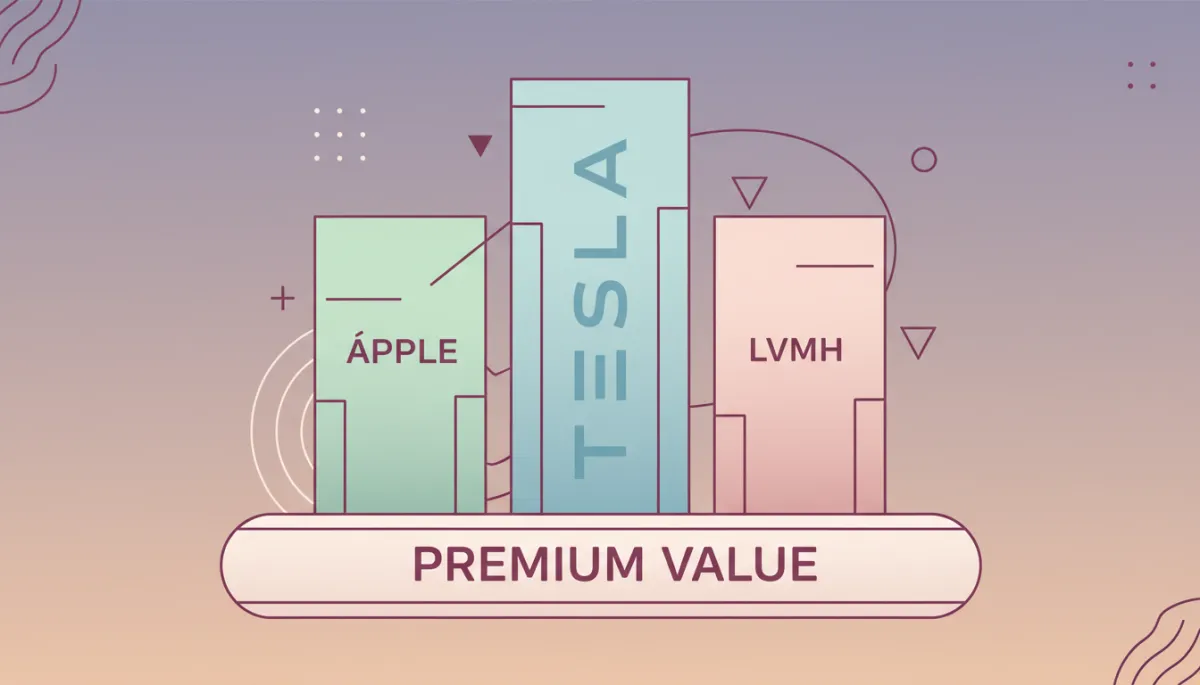
Premium brands teach buyers how to think about value long before they see the price.
The P.I.T.C.H. Formula: Jason’s System for Closing US$5,000–US$50,000+ Deals Without Apology
What Is Jason’s System for High-Ticket Sales?
Inside the Future of Selling System, Jason teaches a simple, founder-friendly structure called the P.I.T.C.H. Formula. It’s designed for offers between US$5,000 and US$50,000 and beyond. It helps founders move from ad‑hoc, anxious conversations to calm, guided dialogues that end in clear decisions instead of awkward fade-outs.
P stands for Prepare. I stands for Intent. T stands for Teach. C stands for Close. H stands for Habits. In this guide, Jason doesn’t unpack every letter in detail. Instead, he shows how pieces of this structure support the five closing moves below. Think of it like a car chassis. You don’t see it from the outside, but quietly, it holds everything together.
❤️ Jason built this system after hitting rock bottom three times and climbing back three times. He knows what it feels like to stare at your Stripe dashboard and wonder if you’re done. His work at AuthorJason.com and beyond is built for founders who feel that same pain.
The Five High-Ticket Closing Moves That Work for Startup Founders
Which Closing Moves Actually Work for Founders?
Jason doesn’t want founders memorizing 97 objection scripts. Instead, he teaches five simple moves. They work with consulting, SaaS, hybrid offers, and complex B2B deals. Use them like tools in a kitchen drawer. Not every tool fits every meal. But together, they let you cook almost anything.
The Value Stack (Build before you reveal price)
The Anchor Frame (Context the price before the number)
The ROI Close (Dollars in versus dollars out)
The Delay-and-Elevate (Slow down to go higher)
The Premium Guarantee (Remove risk, keep the price)
The Value Stack (Build Before You Reveal Price)
In the Value Stack, Jason teaches founders to list outcomes, assets, and support in simple language before mentioning the price. It’s like putting all the groceries on the checkout belt before seeing the total. Buyers can feel the weight of what they’re getting. This is crucial for how to close high-ticket deals without sounding defensive.
The Anchor Frame (Context the Price Before the Number)
The Anchor Frame sets the right context. You might compare your US$15K offer to the US$150K cost of a bad hire, as McKinsey and others point out how poor decisions drain growth. Or you compare it to the cost of doing nothing for 12 months. This is classic premium pricing for startups: you show what the world already pays for similar or worse solutions.
The ROI Close (Dollars In Versus Dollars Out)
The ROI Close is simple. Together, you sketch the potential upside and the potential downside. You speak in ranges, not absolute promises. Gartner and HBR both emphasize this kind of value alignment in complex B2B deals. Jason helps founders ask, “If this only works halfway, what would that look like for you?” The buyer does the math. Price becomes a lever, not a wall.
The Delay-and-Elevate (Slow Down to Go Higher)
Sometimes a founder feels hesitation on the other side. Instead of dropping the price, Jason teaches them to slow down. Ask deeper questions. Bring in another stakeholder. Share a short resource, maybe his guide on how to close a sale. Often this gentle delay turns the deal into a more serious, multi‑party decision instead of a rushed “maybe later.”
The Premium Guarantee (Remove Risk, Keep the Price)
Finally, Jason uses guarantees that protect the buyer without hollowing out the offer. Milestone-based support. Extra help with implementation. Clear review checkpoints. This is how founders who sell real value win in 2026. They lift risk off the buyer’s plate while holding the premium price, just as LVMH or Tesla do in their own ways.
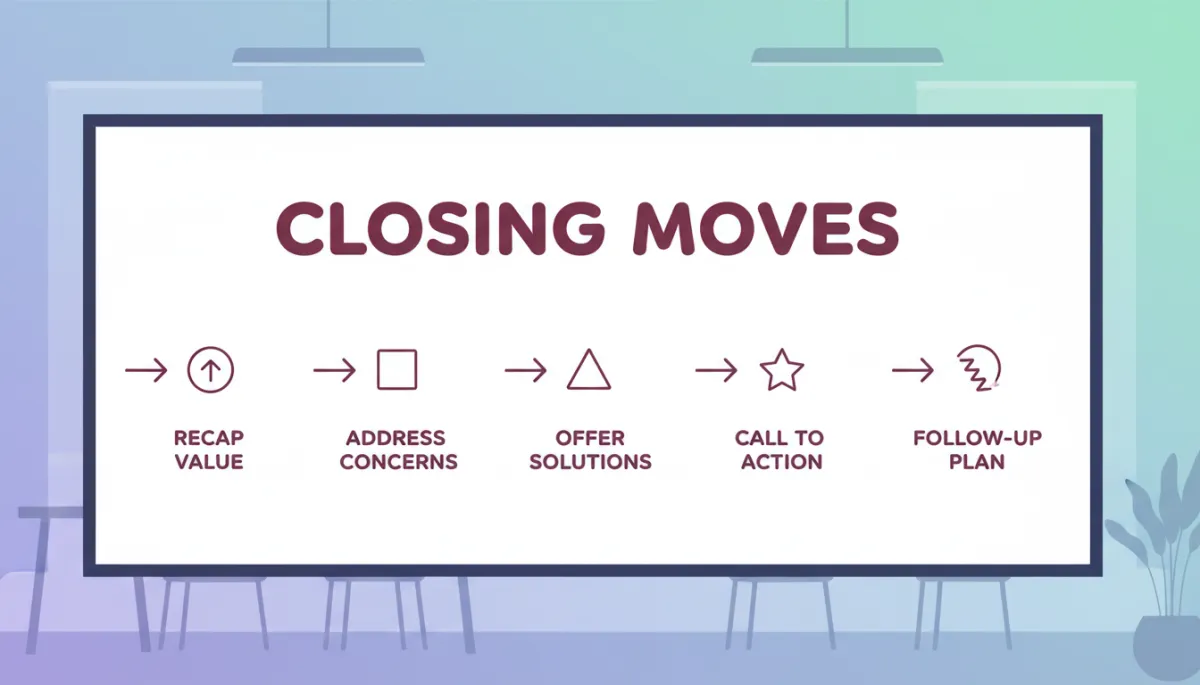
Five simple closing moves can replace dozens of scattered scripts and exhausting improvisation.
New! [September 2026] Dear founders… Do you also feel like it’s too hard to charge what you’re worth as a founder in 2026? Jason felt that too. He felt broke, ashamed, and tired of begging for “just a chance.” Then he found something different. He discovered that when he built a system, not just a script, everything changed. If you’ve ever felt that way, he built the Future of Selling system for you. Graduates have closed more than US$22M in combined sales. Over 1,000 founders since 2015. Jason has hit rock bottom three times and come back three times. While 76% of Salesforce reps fail to hit quota, founders inside FOS learn to sell calmly, kindly, and profitably. If you’re ready to stop discounting and start closing based on value, explore the Future of Selling system for US$19 a month (US$0.63 a day), risk‑free.
Real Founders, Real High-Ticket Wins — What Changes When Discounts Stop
What Actually Changes When You Stop Discounting?
When Jason watches founders stop chasing discounts, he sees the same three shifts. First, their calendar changes. Fewer “maybe” calls. More serious, qualified buyers. Second, their numbers change. Higher average deal size. More cash to hire, build, and breathe. Third, their identity changes. They stop feeling like impostors and start feeling like partners.
One founder, let’s call her Maya, joined the Future of Selling system from a tiny SaaS‑plus‑consulting startup in Singapore. She was selling US$1,500 projects and throwing in free work. Within three months of working Jason’s structure, she held the line at US$18,000 for a regional client deal. No discount. Clear scope. Later the client expanded the engagement to over US$60K that year because they finally trusted her pricing.

When founders hold their price once, that often becomes the new normal, not a one‑off win.
Across the program, early‑cohort founders have seen stories like US$29,693 for Tan in 16 days, 63 clients for Teo in 100 days, and Leon’s journey from US$2,500 to over US$2M in revenue. Jason doesn’t claim this happens for everyone. But he points to one common thread: they all stopped leading with discounts and started leading with value, structure, and quiet confidence.
Close Your First High-Ticket Deal This Month
What’s One Simple Plan to Close a High-Ticket Deal in 30 Days?
Here’s a kind, realistic 30‑day plan Jason gives founders at AuthorJason.com. Week 1: define one clear, high‑ticket offer around a real outcome. No more scattered bundles. Week 2: talk to five current or past buyers about their pain and potential upside. Listen more than you talk. Week 3: run five structured calls using the Value Stack and Anchor Frame. Week 4: follow up with the ROI Close and Premium Guarantee where they fit.
Along the way, forgive yourself for every awkward sentence. Every shaky price reveal. Every “let me think about it” that stings. Jason reminds founders that even billion‑dollar CEOs had terrible first pitches. The only difference is they kept going and built systems, like the Future of Selling, to carry them through the hard days.
New! [September 2026] Dear founders… If you’re reading this and thinking, “This sounds great, but I’m tired,” Jason sees you. He has felt that same exhaustion. He discovered that when he stopped trying to be a “natural closer” and instead followed a simple, kind structure, selling got lighter. Many founders have found the same inside the Future of Selling system. Over 1,000 founders since 2015. Over US$22M in combined sales. Jason: 3x rock bottom, 3x comeback. While big Salesforce reports show most reps missing quota, you don’t have to follow that path. If you want a kind but serious place to learn how to close high-ticket deals without shredding your self‑respect, check out the Future of Selling system for US$19 a month — just US$0.63 a day. No
risk. No pressure. Just a better way to sell.

Your first high-ticket win can arrive quietly—then change how you see every future deal.
FAQ: Is High-Ticket Sales Only for Big, Funded Startups?
No. High-ticket offers are about depth of value, not headcount. Solo founders and very small teams can sell premium if they solve painful, valuable problems and support buyers well.
FAQ: How Do I Know If My Offer Is Priced Too Low?
Common signs: constant overwork, buyers saying “this is a steal,” and difficulty funding growth. Many studies suggest founders underprice their offers by 40–60% versus true value.
FAQ: Can I Still Use Discounts at All?
Yes, but rarely and strategically. Jason suggests using them for clear reasons, such as early‑commitment incentives—not as an automatic reflex to fear during the call.
🗂️ Deep Dive — High-Ticket Sales Playbooks


